
The Story
Why it exists.
The beginning
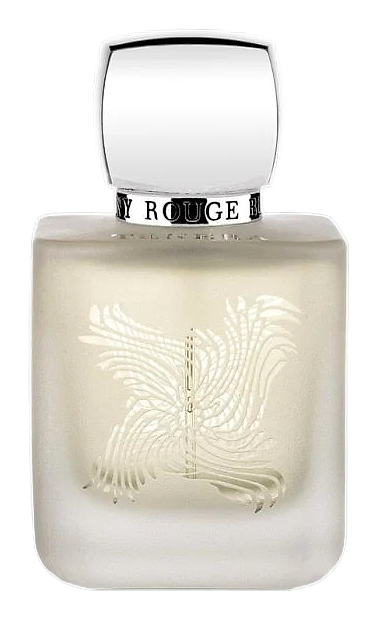
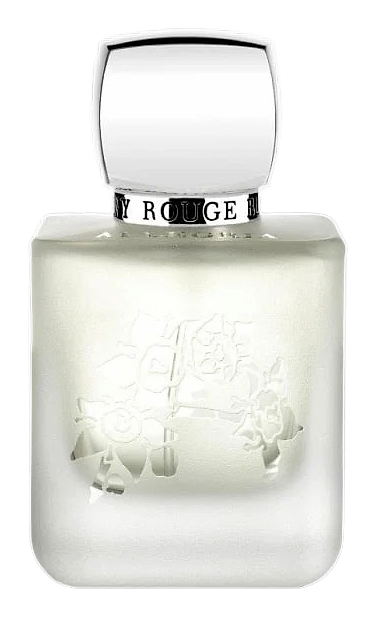
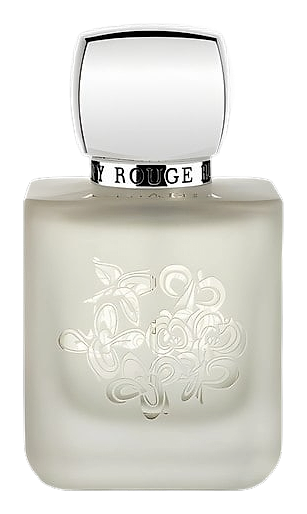
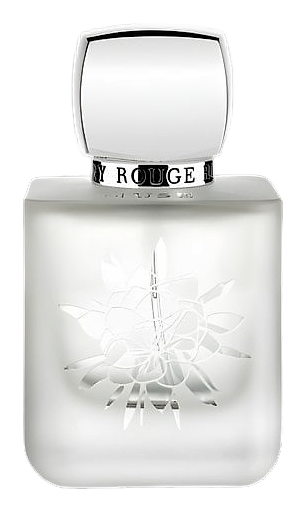
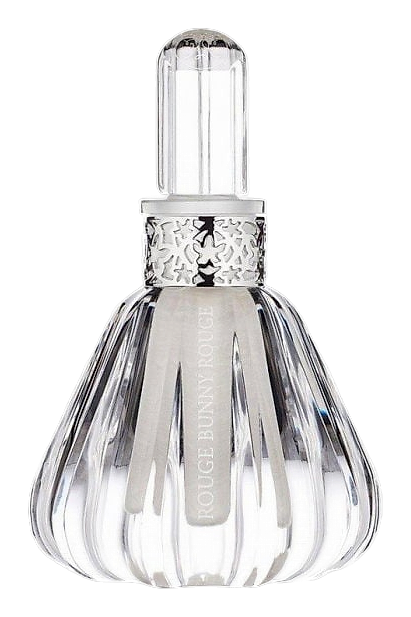
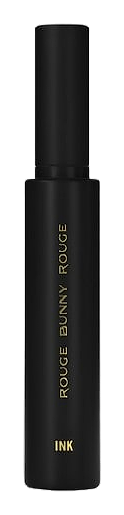
Ink arrived in 2025 from Rouge Bunny Rouge, a selective fragrance house with a reputation for treating scent as something more deliberate than seasonal output. Built by Marc Daniel Heimgartner, the composition captures the mineral residue of dark ink on coarse paper, the cool stillness of a room at night, and the discipline of someone who writes carefully and edits ruthlessly. The brief to Heimgartner was unusually direct, and a little unnerving in its simplicity. Build the scent of a thick, jet-black hour where restraint meets courage. Nothing decorative, nothing extra, nothing that doesn't earn its place in the structure. What he returned with reads like a study in darkness as material rather than mood.
The composition's backbone is cypriol, a root oil with a smoke-to-earth profile that behaves like ink dragged across coarse paper, and it does the heavy lifting in the heart alongside tobacco, patchouli, and cedar. Hemp opens the door, an entry-note more associated with counterculture than couture, a green and almost acrid lift that surprises at first contact. The base trades the sharp edge of oud against amber's resinous warmth and sandalwood's creamy depth, then a wash of musk binds everything to skin.
The evolution
The first 30 minutes are the boldest. Hemp lands green and slightly acrid, sharpened by that unnamed spice blend, which behaves more like a dry, peppery hum than a sweet warmth. Underneath, the cypriol and tobacco have already started their argument, smoky-root against leaf, each pulling the scent in a different direction. By the one-hour mark, the hemp recedes and the composition drops into its mineral register. The woods take command: cedar's pencil-shaving dryness, patchouli's damp soil, and tobacco's sweet-sour char. Oud shows up here too, but quietly, more as a structural beam than a featured note. The drydown is where Ink becomes its final self. Amber settles in like resin pooling on a wooden desk. Sandalwood rounds the edges. And the musk, soft and animalic in the old-fashioned sense, pulls everything down to skin.
Cultural impact
Ink reads as a composition built for solitary wear, the kind of scent you reach for when lighting a candle and choosing not to pick up the phone. It asks to be worn on its own terms rather than as a social accessory, and it rewards close attention over casual impression. The hemp note keeps it from drifting into generic woody territory, which will either be the reason you buy it or the reason you pass. What makes Ink interesting is how unapologetically specific it is. It doesn't try to please everyone, and it doesn't soften its edges for mass appeal.
The House
Rouge Bunny RougeRouge Bunny Rouge is a Moscow-based fragrance and cosmetics house founded by Alexandra de Montfort, who serves as Creative Director. The brand occupies a distinctive position in contemporary perfumery, treating scent as an expressive medium rather than a commercial product. Each fragrance functions as an olfactory narrative, inviting wearers into imagined worlds drawn from myth, nature, and the subconscious. The house operates with deliberate restraint, releasing new compositions sparingly rather than pursuing constant market expansion. This approach has cultivated a devoted following among collectors and fragrance enthusiasts who value artistic integrity over industry trends.
The Creator
Marc Daniel HeimgartnerVersatility defines Heimgartner's style. He handles fruity compositions with the same confidence he brings to animalic musks or creamy ambers.