
The Story
Why it exists.
The beginning
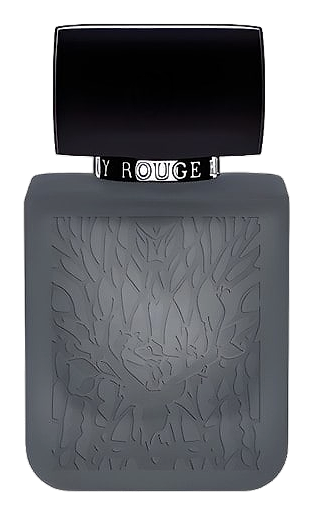
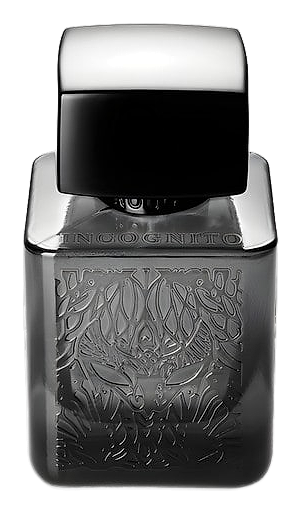
Incognito emerged from Rouge Bunny Rouge's theatrical imagination philosophy, fragrance as daily entry into beautiful fictions, not status. Crafted by perfumer Shyamala Maisondieu, the fragrance takes its name from the act of hiding in plain sight. For Alexandra de Montfort, the brand's creative director, incognito is not concealment but a different kind of presence, one earned through suggestion rather than declaration. The scent opens with bright plum softened by pink pepper and warmed by allspice, creating an almost edible quality that feels both playful and sophisticated. The name captures what the fragrance itself achieves: the wearer arrives without announcement, yet leaves an impression that outlasts the conversation.
What makes Incognito unusual is how its materials resist easy categorization. Plum, often used as a top-note brightness, here deepens into something more textured, almost jam-like against the suede. The osmanthus absolute gives the impression of sweet apricots, adding a honeyed sweetness that prevents the leather from reading heavy. Meanwhile, the iris root brings a powdery creaminess that evolves throughout the wear, connecting the fruity opening to the musky base without ever announcing the transition.
The evolution
The first thirty minutes are all about the plum, bright, almost edible, softened by pink pepper and warmed by allspice. There's a brief flirtation with something green, a nod to the iris stem beneath the root. Then the osmanthus takes over, bringing its apricot-honey character alongside creamy ylang-ylang. The drydown is where Incognito earns its name: suede emerges first, warm and intimate, followed by Indonesian patchouli that grounds everything without darkening it. Heliotrope and musk settle into the skin like a second layer. On fabric especially, the suede remains, quiet, persistent, impossible to fully wash away.
Cultural impact
Among niche fragrance enthusiasts, Incognito has carved a quiet reputation as the fruity-leather that refuses easy categorization. Its plum-suede axis appeals to wearers who want something warmer and more intimate, but without heavy weight. The osmanthus and orris combination gives it a following among those who appreciate iris-adjacent compositions but find traditional iris too powdery. It performs consistently across seasons, with its warmth drawing particular appreciation.