
The Story
Why it exists.
The beginning
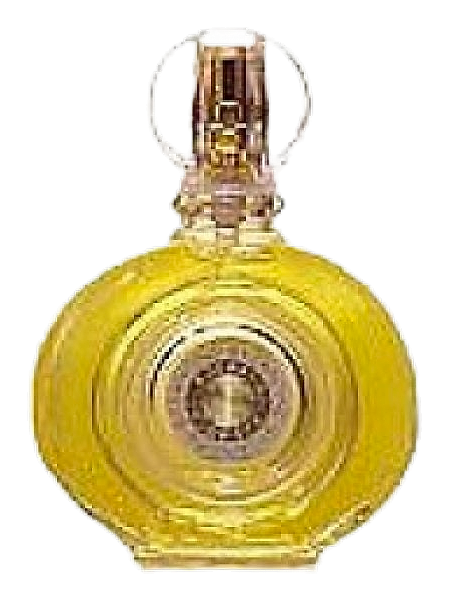
Byzantine arrived in 1995 from Alberto Morillas. The composition leans into mimosa in a way that feels intentional and unhurried, treating the note not as an accent but as the heart of the entire structure. There's an opulence in the name, but the fragrance itself moves with restraint, built around warmth rather than projection, texture rather than spectacle. Morillas builds the formula with florals, woods, and powder working together, each element catching the light differently as it settles into skin. The almond-honey sweetness of mimosa anchors the top, and from there the composition pulls you inward rather than outward.
What makes Byzantine worth a second look is how it treats mimosa. Most florals announce themselves; mimosa here murmurs. It brings a honeyed, almost almond-soft sweetness that sits closer to confection than to classic white-flower territory, and the sweetness never tips into syrup. Morillas balances it with sandalwood and cedar, giving the yellow florals something to lean against, then layers heliotrope through the composition for a soft, powdery veil. The result is a fragrance that feels golden in the light, warm against the skin, and quietly complex without ever demanding attention.
The evolution
The opening is where Byzantine announces itself, and it does so with the brightness of bergamot and neroli layered over orange blossom. That first stretch feels almost luminous, lifted, faintly soapy in a clean way that sets the stage without overwhelming. Then mimosa arrives and pulls the temperature down a degree. The honeyed sweetness settles into the composition alongside carnation's clove-warmth and freesia's green softness, and the whole thing shifts from citrus-bright to floral-golden. Lily of the valley adds a cool dewy edge that keeps the sweetness from cloying, and the interplay between warm florals and cool greens keeps the heart moving rather than settling. As the hours pass, the woods take over gradually.
Cultural impact
Byzantine occupies a particular place among mimosa-led releases. Wearers tend to describe it as the fragrance of someone who has nothing to prove and says less than she could, the kind of scent that earns second glances rather than first comments. It has built a quiet following among collectors and vintage fragrance enthusiasts who appreciate the way it treats mimosa as the central figure rather than a supporting note. The powdery, golden warmth of the composition makes it a reference point for anyone exploring yellow florals from this era, and its discontinued status has only deepened its appeal.