
The Story
Why it exists.
The beginning
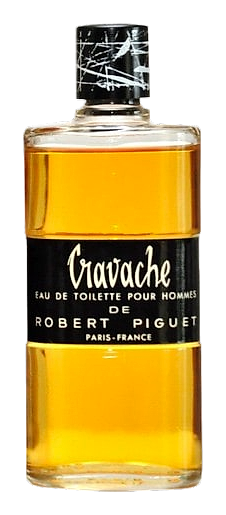
Robert Piguet created this fragrance in 1963 as a proposition: what does a man smell like when he's in control? Not aggressive, not performative. Just certain. Aurélien Guichard later reformed the composition, but the original intent remains intact, an aromatic structure built around citrus clarity and herbal depth, designed to communicate something quieter than swagger. The opening registers with immediate brightness, a zesty citrus quality that announces itself without demanding attention. Underneath, herbal notes provide a grounded complexity that speaks to intention rather than accident. It's a fragrance that earns confidence rather than projecting it, communicating assuredness through restraint rather than volume.
What makes Cravache interesting is the way it layers its notes with real deliberation. The petitgrain and mandarin open with striking clarity, not the synthetic brightness that plagued men's colognes for decades, while the clary sage introduces an herbal greenness that feels considered rather than accidental. Nutmeg bridges the middle act, adding warmth without sweetness. The composition trusts its wearer to handle complexity, offering a fragrance that unfolds in distinct phases rather than collapsing into a single impression.
The evolution
The opening lasts longer than you might expect, citrus that doesn't evaporate in the first five minutes, petitgrain holding its own against the heart. Around the thirty-minute mark, lavender and sage begin their takeover, and the fragrance shifts from bright to grounded. The nutmeg keeps a quiet warmth underneath. Two hours in, patchouli arrives, earthy, a little dry, the kind of base that doesn't shout. Vetiver follows and stays. The fragrance lasts a full workday on most skin, with moderate sillage and a drydown that reads as herb and root rather than sweetness. On fabric, it lingers into the next day, leaving behind an impression of green herbs and earthy depth that refuses to disappear quietly.
Cultural impact
Cravache has been reformulated since its initial release, which tells you something about its enduring appeal. Fragrance collectors keep returning to it not because it's famous, but because it holds a position in the Robert Piguet lineup that the house hasn't tried to replace. It sits alongside Bandit as the quieter statement, aromatic, assured, unwilling to shout. The fragrance persists in the collections of those who appreciate its particular kind of restraint, its refusal to compete with the wearer rather than complement him.