
The Story
Why it exists.
The beginning
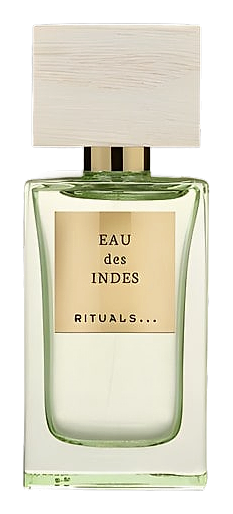
Eau des Indes joined Rituals' Oriental Essence line in 2015. The name itself, 'Water of the Indies,' gestures toward something distant and storied, an evocation of warm ports, lingering heat, and the kinds of ingredients that once felt like luxuries carried from faraway places. For this composition, the moment it conjures reads like a quiet morning: a cup of white tea cooling on a windowsill, ginger warming somewhere in the kitchen, the day still uncommitted. On skin, the opening is bright and slightly peppery, with the ginger landing first as a clean, almost green snap before softening into something rounder. The bergamot adds a citrus shimmer that lifts the whole composition without ever pushing it toward sharpness, more like sunlight through a curtain than a burst of zest.
What makes Eau des Indes quietly interesting is its restraint with the 'oriental' label. Most fragrances in that category lean heavy on amber, resins, or dense spice. This one skips the weight entirely. The white tea note is doing structural work here, not just a garnish. It gives the composition its pale, slightly mineral character and keeps the bergamot from sliding into standard cologne territory. The ginger in the heart is bright and clean, not the sharp pepper-heat you find in more aggressive compositions. It's a study in what happens when you build warmth without weight, when the 'oriental' reference becomes a whisper instead of a declaration.
The evolution
Eau des Indes moves through three distinct phases on skin, each lighter than the last. The opening is a clean burst: bergamot and white tea arriving almost simultaneously, with the citrus providing immediate lift and the tea adding a pale, almost watery quality underneath. The first 15-20 minutes feel like stepping into a room that has just been aired out, bright, slightly cool, and uncluttered. By the 30-minute mark, the ginger arrives, and the composition shifts from 'fresh' to 'warm fresh.' The mimosa and peony come forward here, giving the heart a soft, slightly powdery texture that rounds out the citrus brightness. The ginger never gets aggressive; it reads more like warmth radiating through fabric than heat radiating from a surface. The drydown is where the musks take over, both white and standard, creating a clean-skin base that clings close rather than projecting outward. The cedarwood grounds it just enough to prevent the musks from floating off.
Cultural impact
Eau des Indes occupies an interesting position in the broader fragrance landscape, and the way people talk about it reveals as much as the juice itself. Wearers who gravitate toward it tend to describe it in terms of mood and moment: a quiet morning, a slow afternoon, the feeling of something warm and familiar without being nostalgic. The tea-and-ginger combination appears on recommendation lists alongside other contemplative, slightly spiced compositions, suggesting that the fragrance appeals to a particular sensibility, one that values subtlety over projection and comfort over complexity.