The Story
Why it exists.
The beginning
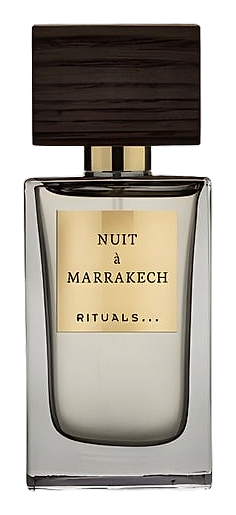
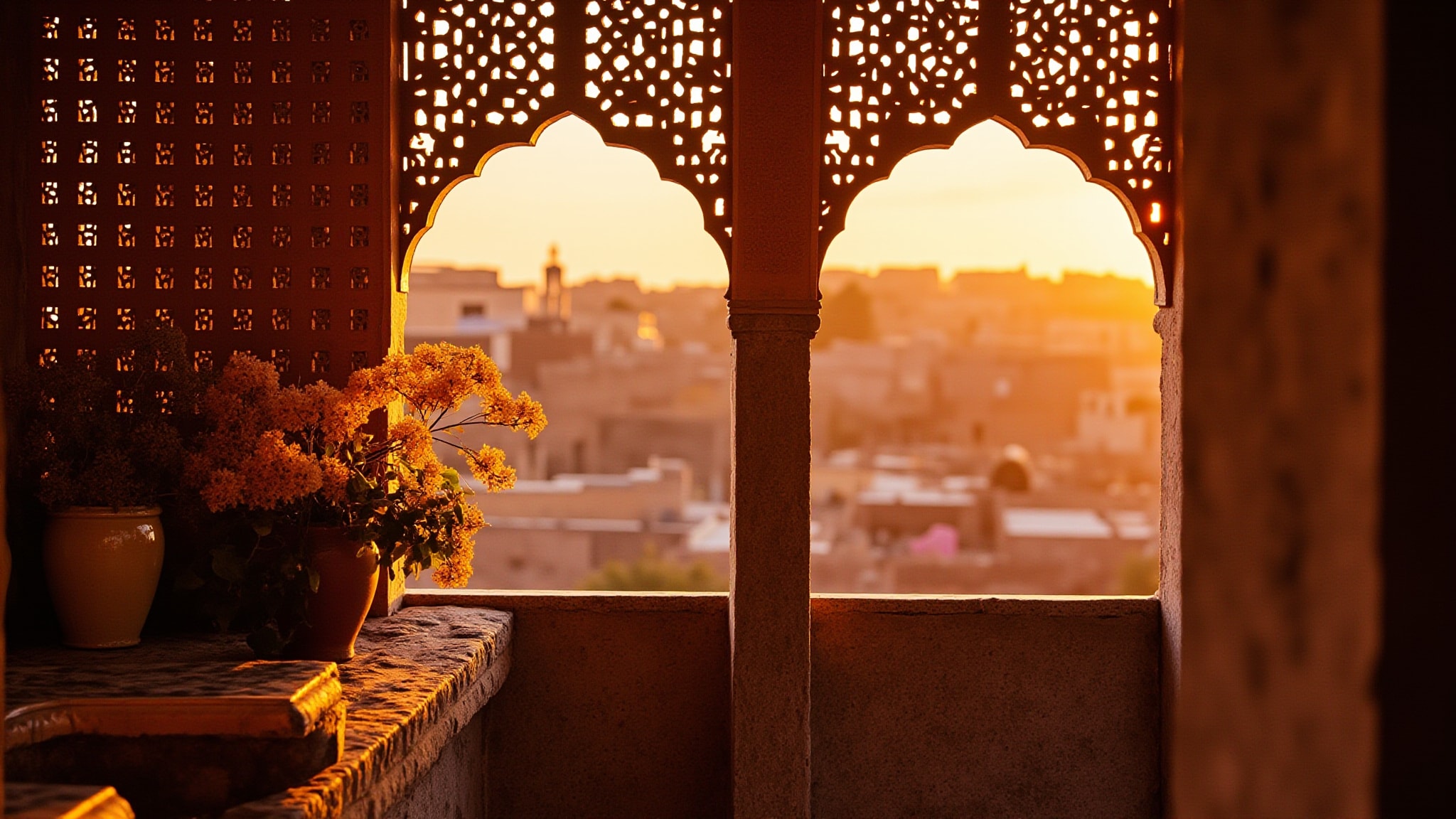
Catherine Selig designed Nuit à Marrakech in 2015 with a single reference point: warm oriental starry nights in dreamy Marrakech. The brief wasn't about specific materials, it was about a feeling. The brand wanted a fragrance that could translate that specific kind of evening warmth, where the air stays warm after dark and the light takes on a golden quality. Selig reached for mimosa as the opening gesture, a yellow floral that carries both sweetness and a slightly powdery edge, to announce the fragrance before anything else arrived.
What makes this structure unusual is the Cashmere Wood in the heart. Not a common material, it mimics the sensation of soft woodsmoke without any actual burning, creating a veil between the bright mimosa and the deeper base. The saffron amplifies warmth rather than spice, giving the heart a golden quality that reads more like late-afternoon light than heat. Frangipani adds a tropical roundness that keeps the composition from tipping into powdery territory. The result is a fragrance that stays in its middle phase longer than most, the drydown arrives gradually, almost reluctantly, as if the warmth doesn't want to leave.
The evolution
The citruses and green tea arrive first, quick, bright, gone within fifteen minutes. Then mimosa takes over, and this is where the fragrance lives for the next two to three hours. Powdery, warm, undeniably floral but not girlish. The saffron surfaces around the forty-minute mark, threading through the mimosa like a golden thread through fabric. Cedar and sandalwood arrive by hour three, and the composition shifts from floral warmth to woody warmth, same temperature, different texture. Patchouli and musk anchor the final phase, which on most skin types holds until hour six or seven. On fabric, it lingers into the next day, faint and pleasant, like the memory of a warm evening.
Cultural impact
Nuit à Marrakech launched in 2015 during a period when Western fragrance houses were rediscovering Middle Eastern and North African olfactory traditions. Rituals, a Dutch brand rooted in Asian wellness rituals, pivoted toward Moroccan inspiration with this release, reflecting a broader 2010s trend of cross-cultural fragrance borrowing. The mimosa-saffron combination proved uncommon at the time, differentiating it from the oud-heavy releases that dominated the oriental category. This positioning allowed Rituals to introduce an accessible entry point to warmer, powdery florals for audiences unfamiliar with traditional Arabian perfumery.