The Story
Why it exists.
The beginning
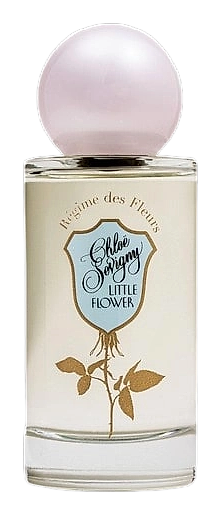
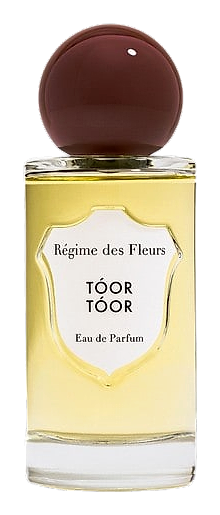
Saffron Fever arrived as a limited release from Régime des Fleurs, composed by perfumer Alia Raza. The house has built its reputation on compositions that frame a single mood with botanical precision, and Willows stands among the names that established that approach. Saffron Fever takes a different direction. It builds tension instead of atmosphere, stacking fruit against smoke until the two become the same thing. Raza treats scent with a cinematic eye, looking for the moment a composition shifts from one state to another and building the bridge between them. The perfume itself reads as a study in heat: fruit catches fire, saffron threads the smoke through the sweetness, and the whole thing hums at a temperature most fragrances avoid. There's nothing polite in Saffron Fever.
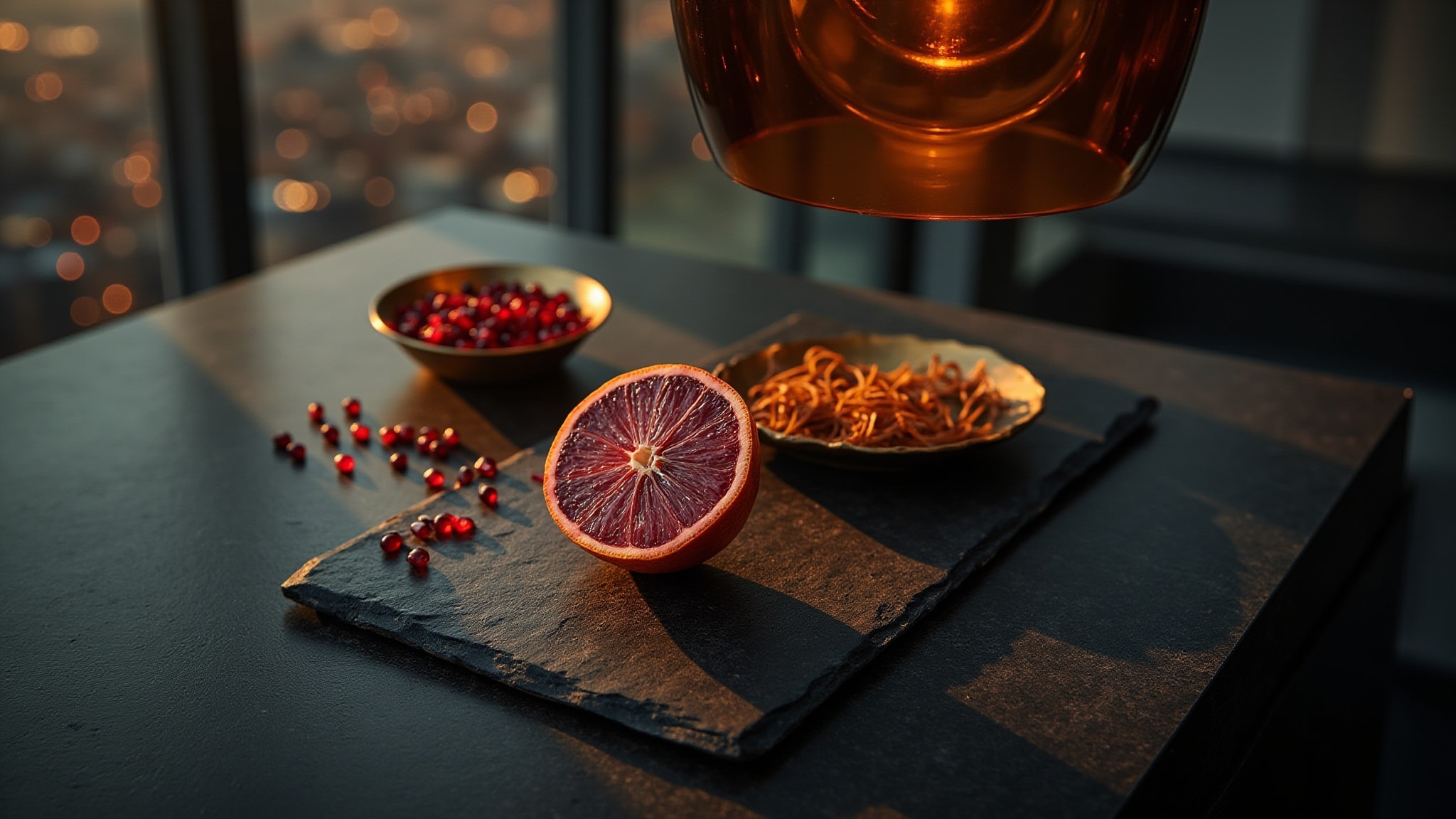
The interesting choice is letting pomegranate and blood orange share the top with bergamot. Fruit opens the door, and saffron scorches the air it walks into. Smoke enters the heart as a material, not an accent, which means the transition from bright to burning happens inside a single breath. Oud and vanilla in the base keep the burn from going acrid. They anchor the smoke the way wet wood anchors a campfire. The osmanthus does quieter work, lending a leathery, almost apricot-skin quality that keeps the composition from feeling like a straight spice cabinet.
The evolution
The first ten minutes belong to blood orange. Not a polite citrus, but the kind that stains your fingers red. Pomegranate sits underneath, quieter, adding that metallic, almost bloody sweetness. Bergamot sharpens the edges so the opening reads juicy but not candied. Within twenty minutes the saffron starts pulling the temperature up. It doesn't announce itself with a single thread. It arrives as warmth, then as color, then as a faint bitter edge that suggests something is cooking nearby. Smoke enters as a question before becoming a statement. By the one-hour mark the composition has moved somewhere entirely different from where it started. The fruit is memory. The saffron is the dominant note. Smoke wraps around it like fabric. Osmanthus adds a soft, suede-like undertone that nobody asked for but everybody notices. At the three-hour mark the base takes over.
Cultural impact
Saffron Fever stands as one of the bolder entries in the Régime des Fleurs catalog, a composition that refuses to retreat into easy sweetness or safe familiarity. Wearers describe it as the scent of someone who enters a room with intent. It carries the kind of presence that doesn't ask for attention but settles into it, occupying space with the confidence of a fragrance that knows exactly what it wants to be. Within the brand's lineup, it marks a willingness to push into denser, more confrontational territory, holding smoke and saffron and fruit in a single sustained chord. The reception reflects that boldness.