
The Story
Why it exists.
The beginning
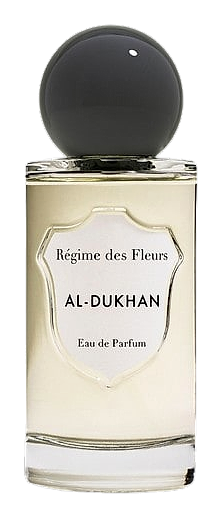
The image is burning oud on a slab of grey marble inside a North African riad. Dominique Ropion built Oud Dukhan around that moment, the precise instant when smoke rises from resin and the air shifts from cold to warm. The top notes arrive like light cutting through haze: cardamom and black pepper that cut clean and aromatic, the kind of opening that announces itself without apologizing. From there, the heart opens slowly, deliberately, the way smoke moves through a closed room.
The cardamom and black pepper aren't here to overpower. They're the spark that lights the slow burn underneath. The oud in Oud Dukhan isn't the dense, medicinal kind, it's translucent, clean, closer to steam than smoke. Frankincense adds a sacred waxy quality, the kind you'd find in a space where resin has been burned for centuries. Ambergris brings a marine animalic sweetness that cuts through the smoke without competing with it. Everything is measured. Everything is deliberate. That's what makes it distinctive, the restraint of materials that could easily become overwhelming.
The evolution
The opening hits sharp and aromatic. Cardamom and black pepper arrive with immediate intensity, cool and clean, the aldehydes adding a metallic brightness that lifts the spices without softening them. The transition into the heart is gradual, as the top recedes, the oud and frankincense begin to emerge, their smoke curling at the edges like incense in a closed room. The heart deepens into something warm and resinous, oud and frankincense resin weaving together until it's hard to separate where one ends and the other begins. Three hours in, the base arrives. Ambergris brings a salty animal sweetness that shifts the composition from purely smoky to something richer, more complex. White musk settles close to the skin. The final drydown is intimate, almost whispered, lingering as the smoky and resinous facets gradually soften into a subtle, skin-close presence that rewards close attention.
Cultural impact
Oud Dukhan arrived at a moment when the Western market had grown saturated with bold oud fragrances marketed as statement pieces. Régime des Fleurs, founded by Alia Raza and Ezra Woods in 2014, built its identity on a different philosophy, fragrances that feel considered rather than performative. The brand operates at the intersection of contemporary art and perfumery, collaborating with visual artists and writers to shape each launch. Oud Dukhan itself stands apart from the louder, more assertive ouds that dominated the market, offering instead a quieter, more introspective take on smoke and resin.