The Story
Why it exists.
The beginning
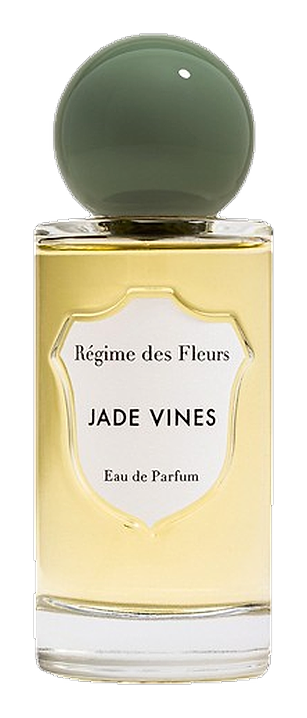
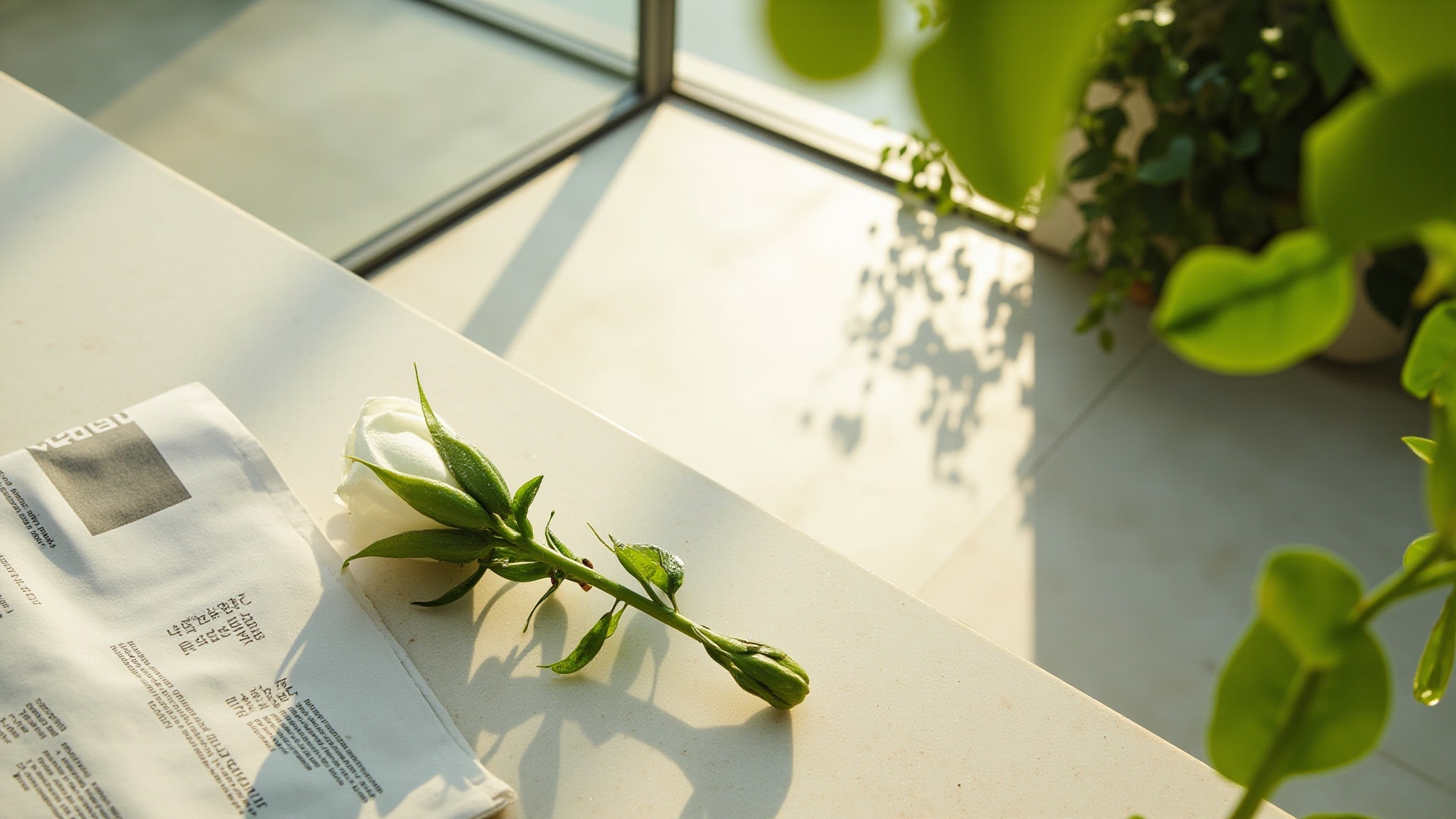
Jade Vines captures the moment before a greenhouse flower fully opens, the tight spiral of green stems, the promise of white petals not yet bloomed. Alia Raza built this around a tension: the humid, animalic richness of gardenia and tuberose held in check by cool yuzu and ginger water. The result is a fragrance that smells like the plant itself, not the extract. Raw botanical, not bottled abstraction.
What makes Jade Vines unusual is how it refuses the usual white floral playbook. The gardenia and tuberose here lack the expected creaminess, they feel wilder, more animalic, with an earthy green undertone that keeps them grounded. The yuzu blossom and ginger water in the opening provide a cool, almost medicinal brightness that counters the tropical richness. It's a counterintuitive move that pays off: the florals never become cloying. Cedar and liana then arrive to reclaim the composition, pulling it back toward something woody and dry.
The evolution
The opening hits first, cold, bright, almost astringent. Yuzu blossom and ginger water arrive like a splash of iced water, and then it's gone. What replaces it is earthier than expected. Within minutes, gardenia and tuberose take over, and these white florals don't behave. They lean animalic, green, less creamy than they should be. The drydown takes its time. Cedar and liana eventually settle in, but they don't rush, they extend the life of the florals rather than replacing them. On most skin types, expect 6-8 hours of a fragrance that moves from wild to composed without ever becoming sweet.
Cultural impact
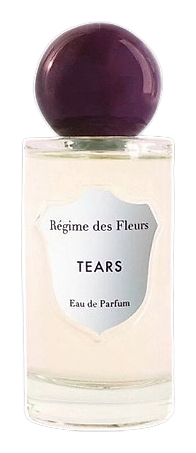
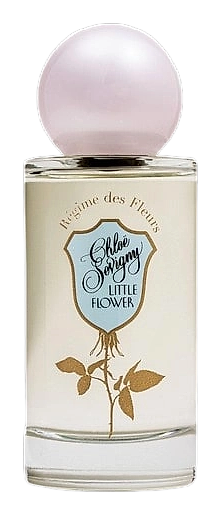
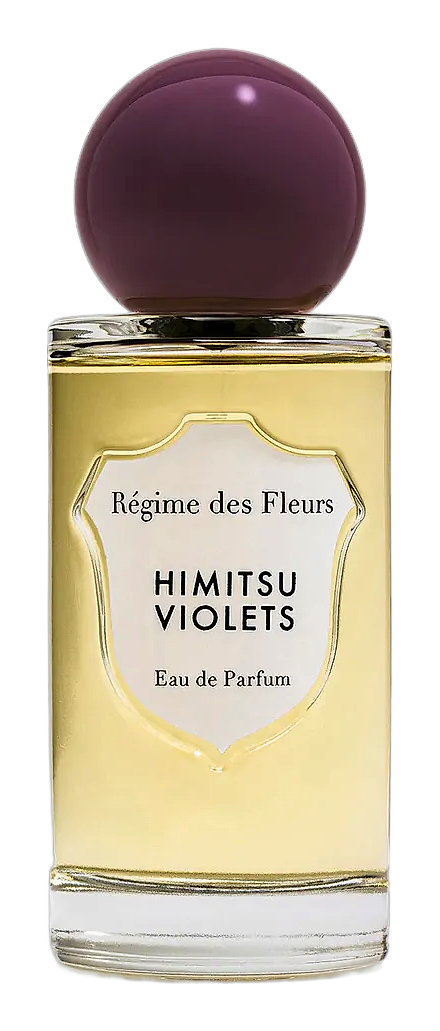
Jade Vines arrives at a moment when the perfume industry is grappling with its relationship to nature and authenticity. Régime des Fleurs, founded by Alia Raza in New York in 2014, has positioned itself as a voice for botanical honesty in an era of synthetic overload. The fragrance's name invokes the climbing plant as both literal botanical subject and metaphor for organic growth, a deliberate counterpoint to the artificial imagery that dominates mainstream fragrance marketing. In its refusal to sweeten or over-project, Jade Vines participates in a quieter discourse about what constitutes luxury in contemporary perfumery. The house's consistent return to green, earthy white florals signals a commitment to a specific aesthetic vision rather than chasing trends.