Gardenia Bud
Gardenia's creamy white petals hold a scent that has captivated perfumers for centuries—yet no distillation method captures it. Discover the flower that refuses to be extracted.
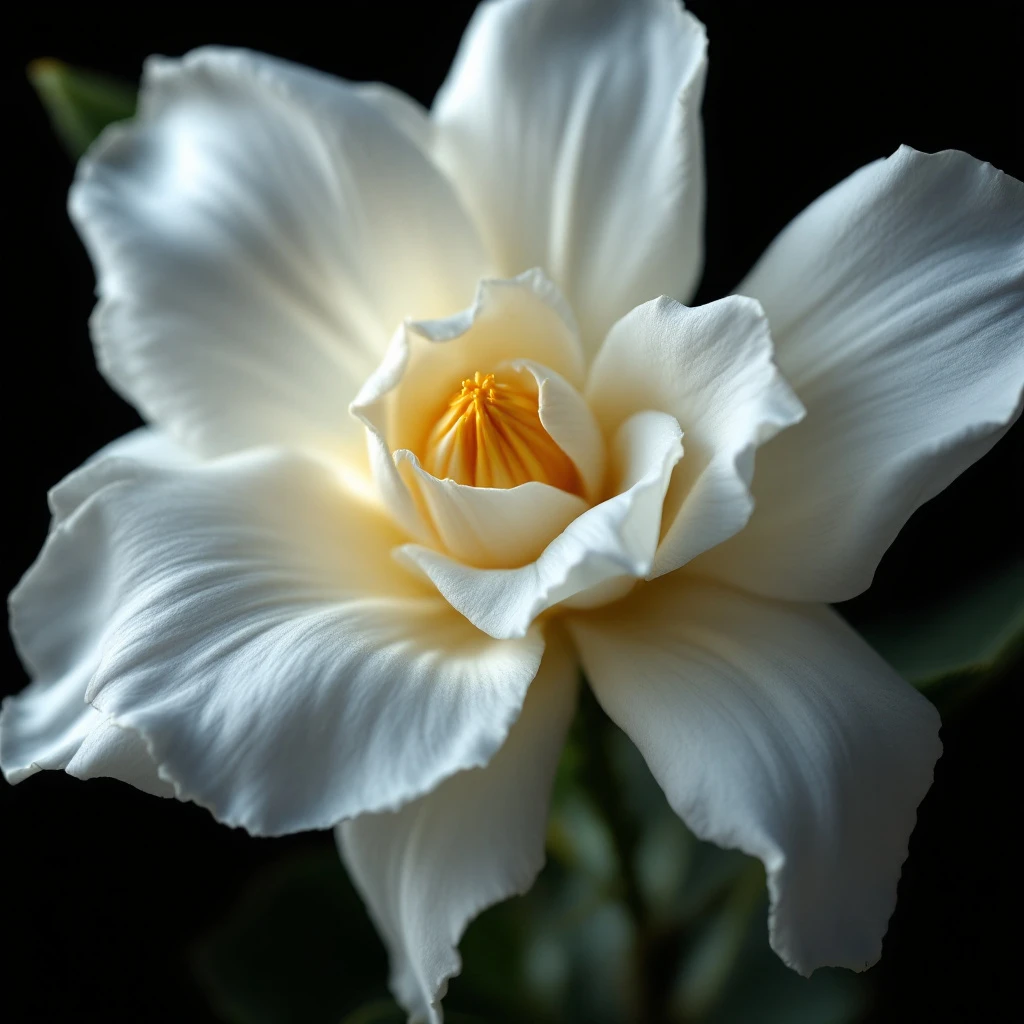
Character
How it smells
The impossible flower of perfumery.
No gardenia essential oil exists. The flower blooms at night, and its fleeting scent can only be preserved through enfleurage or synthetic recreation.
Pairs beautifully with

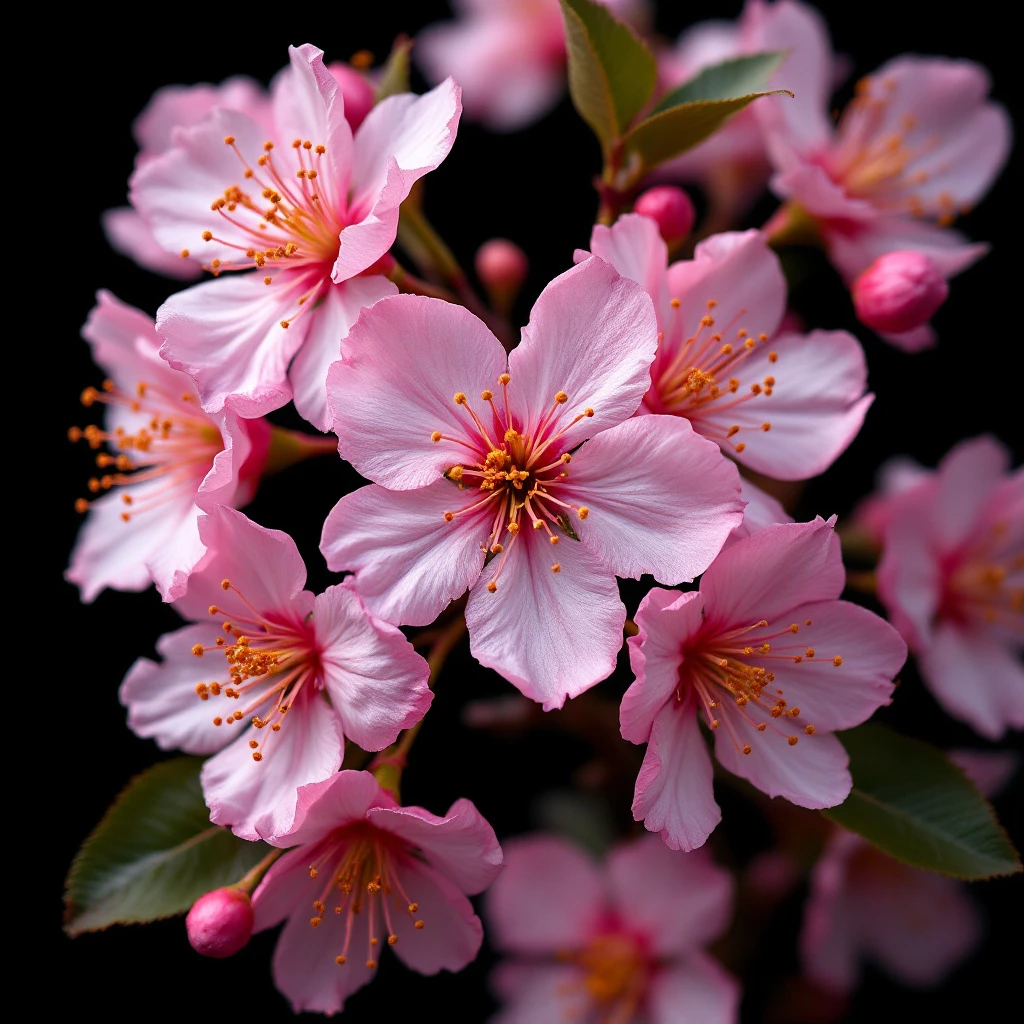

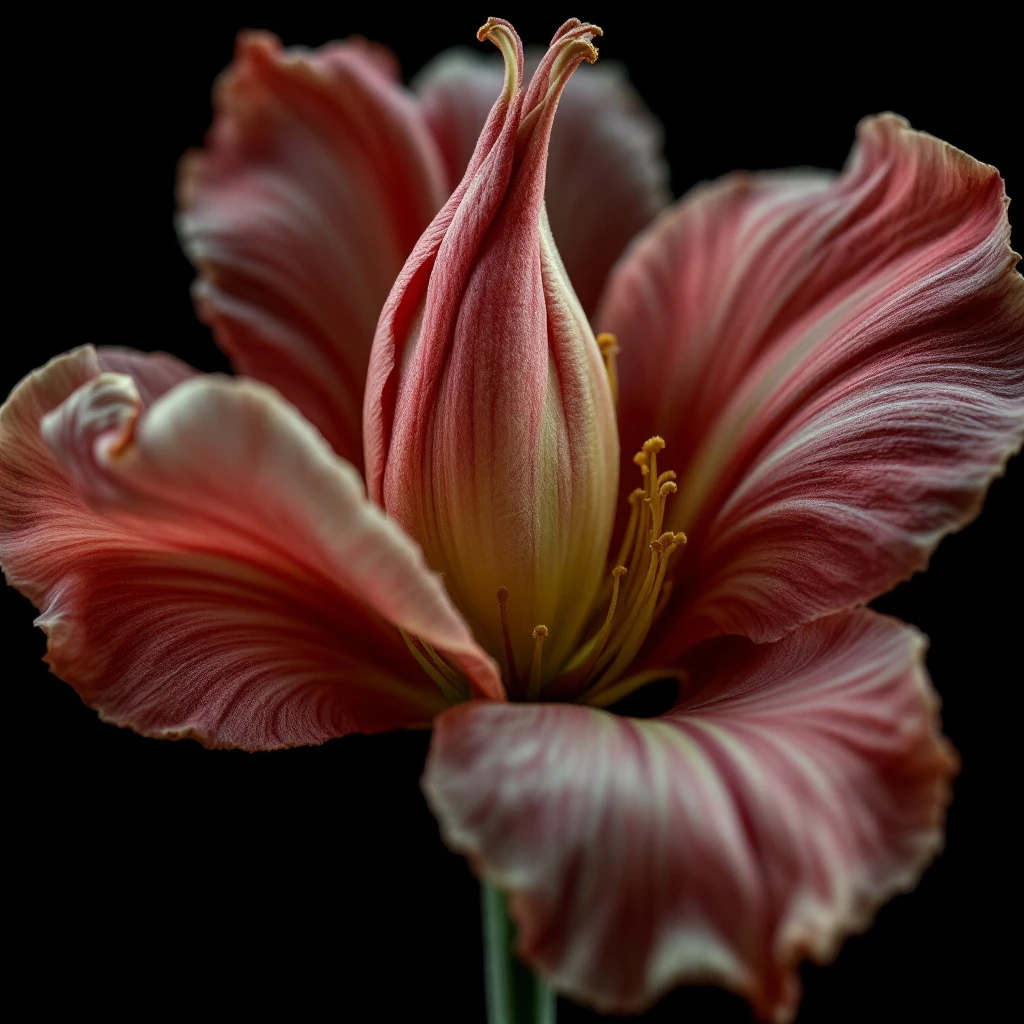

Origin
China
Gardenia arrived late to Western perfumery, following jasmine, rose, and violet by centuries. The flower takes its name from Dr. Alexander Garden, the Scottish-American botanist whom Carl Linnaeus honored in 1763 when he formally classified the plant. Yet gardenia had already been cherished for millennia in its native lands.
Ancient Chinese perfumers used the flower to make tea, incense, and perfumes. They valued its creamy white blooms for their spiritual symbolism and their ability to calm the mind. The flower's nocturnal blooming habit made it especially precious. Gardenia releases its scent most intensely after dark, when moths serve as pollinators.
This nightly performance gave the flower an almost mystical quality. European perfumers finally began working with gardenia flower oil in the early 20th century, but the scarcity of the raw material limited its use. Today, gardenia remains a rare and treasured note—a flower that perfumers chase but cannot fully possess.
Wears it best
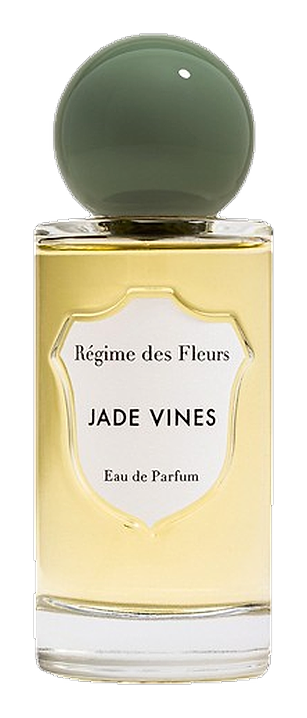
Fragrances featuring Gardenia Bud
Brands
Brands known for Gardenia Bud
Good to know
Questions, answered
The essentials on Gardenia Bud in perfumery: how it smells, where it comes from, and how it behaves on skin.
Can gardenia be extracted into an essential oil?
No. Gardenia cannot be extracted into essential oil or absolute at commercial scale. The aromatic compounds break down during distillation, making synthetic recreation the primary method for perfumers.
How do perfumers recreate gardenia scent?
Perfumers use styrallyl acetate as the primary molecule to recreate gardenia, blended with other aroma chemicals like cis-3-hexen-1-ol for green notes and benzyl acetate for floralcy.
What is gardenia enfleurage?
Enfleurage involves laying fresh gardenia petals on cooled fat, traditionally lard or tallow. The fat absorbs the scent over repeated changes of petals, creating a fragrant pomade. Villagers in Fusagasugà, Colombia continue this practice.
Why is gardenia called the impossible flower?
Gardenia is called impossible because no extraction method produces a commercially viable essential oil. The flower contains so little aromatic material that traditional and modern extraction techniques all fail.
Where does gardenia grow naturally?
Gardenia is native to southern Asia, with natural populations in China, India, and the Far East. The plant prefers subtropical climates and thrives in moist, well-drained soils.
When did gardenia first appear in Western perfumery?
Gardenia flower oil appeared in fragrances in the early 20th century, centuries after jasmine and rose became established perfumery materials. Ancient Chinese perfumers used it long before Western adoption.
What does gardenia smell like?
Gardenia smells creamy and rich, with coconut-like warmth and a fresh green bite. The scent carries lactonic sweetness balanced by slightly astringent, waxy notes. It blooms most intensely at night.
Is there a gardenia concrete from natural sources?
China and Formosa historically produced gardenia concrete, though yields remained small. The concrete captures some of the flower's character but still requires synthetic refinement for most perfumery applications.





