Tuberose Bud
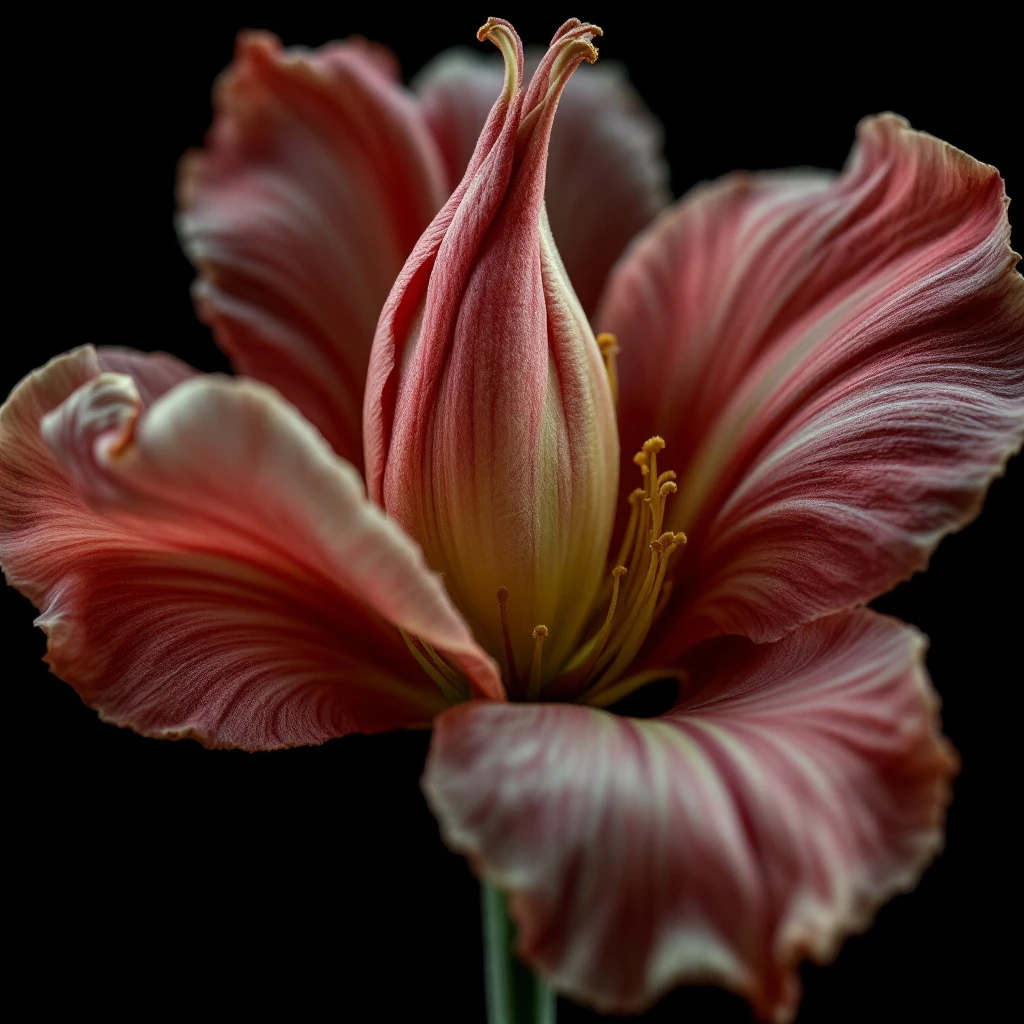
Harvested at dawn before opening, tuberose buds yield an intensely concentrated extract prized in fine perfumery. Their delicate structure demands enfleurage and solvent extraction, methods gentle enough to preserve a fragrance that has captivated for centuries.
Character
How it smells
Costly to extract, impossible to forget.
Only about 10% of India's tuberose production enters the perfume industry. The rest serves the religious and ornamental market as garlands and hair decorations.
Pairs beautifully with



Origin
Mexico
Tuberose (Polianthes tuberosa) is native to Southern Mexico, where the Aztecs cultivated it in temple gardens and used its intense fragrance in sacred rituals. Historical accounts suggest the Aztecs blended its essential oil with chocolate, creating an early aromatic pairing that speaks to its richness. Spanish colonizers brought the plant to Europe during the 16th century conquest of Mexico.
European growers initially prized it as an ornamental garden flower, marveling at its waxy white spires and powerful evening scent. By the 17th and 18th centuries, French and Italian perfumers recognized its extraordinary potential as a fragrance material. The plant's name reflects its biology: the Latin 'tuber' means swelling or truffle-like, referring to the bulbous underground tuber from which it grows.
India emerged as a major producer during the colonial period and now supplies much of the global perfume industry, though production remains small-scale and labor-intensive. Despite centuries of cultivation outside Mexico, the plant's geographic origins remain rooted in pre-Columbian tradition and Mesoamerican botanical heritage.
Wears it best
Fragrances featuring Tuberose Bud
Brands
Brands known for Tuberose Bud
Good to know
Questions, answered
The essentials on Tuberose Bud in perfumery: how it smells, where it comes from, and how it behaves on skin.
What is tuberose bud extract in perfumery?
Tuberose bud extract is a highly concentrated aromatic material sourced from unopened flower buds of the Polianthes tuberosa plant. It ranks among the most prized white floral ingredients, delivering a rich, creamy, and intensely narcotic fragrance profile used primarily as a heart note in fine fragrances.
Why is tuberose so expensive to produce?
Tuberose flowers bruise and wilt easily, meaning harvest must be entirely by hand in the early morning. Extraction methods like enfleurage are slow, requiring 48 to 72 hours per session with three to four repetitions over several weeks to achieve full fragrance saturation in the fat carrier.
What does tuberose smell like?
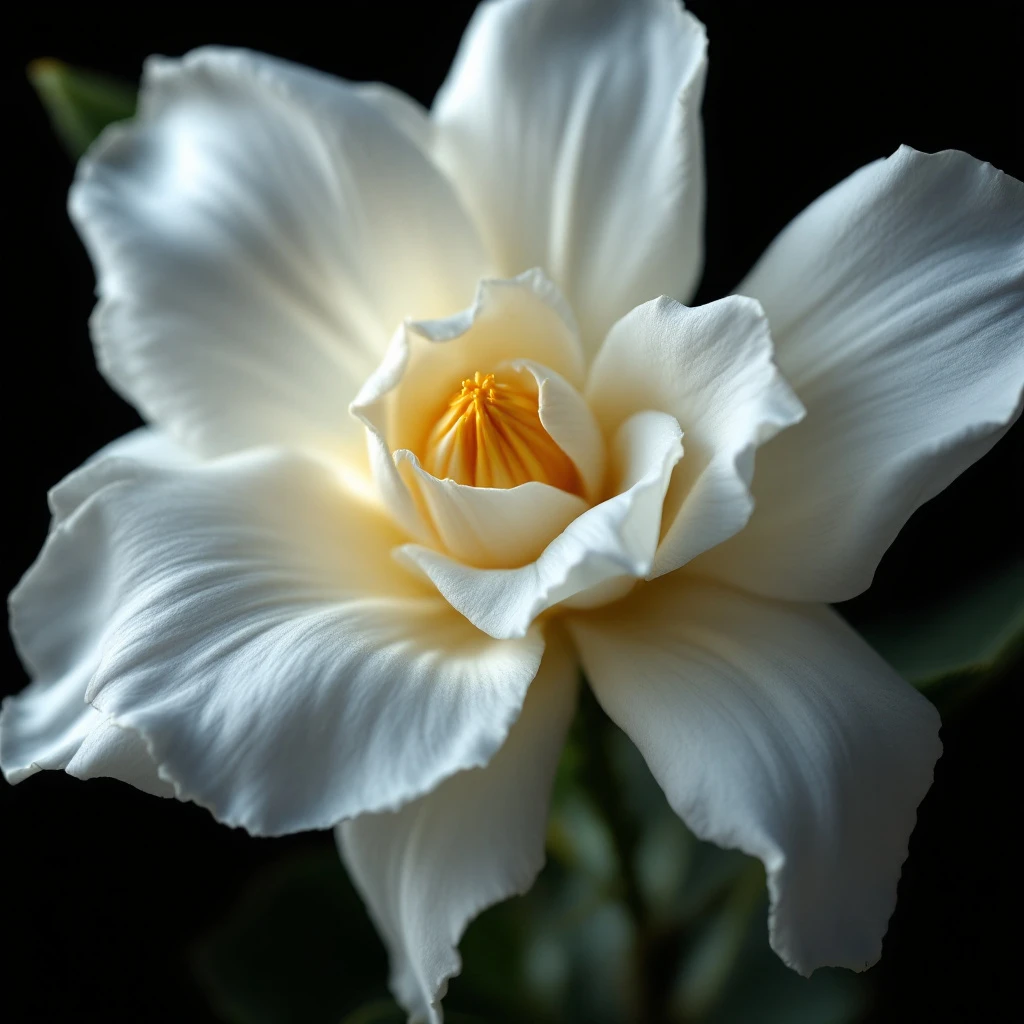
Tuberose smells rich, creamy, and floral with a distinctive lactonic quality often described as buttery or milky. Indian tuberose bud extract specifically carries a warm, sensual character with narcotic undertones that distinguish it from other white florals like jasmine or gardenia.
How does enfleurage differ from solvent extraction for tuberose?
Enfleurage uses cold fat to absorb fragrance molecules from fresh flowers over 48 to 72 hours per session. Solvent extraction submerges flowers in hexane to produce a concrete, then washes it with alcohol to yield an absolute. Enfleurage produces a softer, more naturall-smelling pomade; solvent extraction yields a more concentrated absolute with slightly more medicinal facets.
Where does tuberose originate from?
Tuberose originates from Southern Mexico. The Aztecs cultivated it for sacred rituals and reportedly blended its oil with chocolate. The Spanish conquest in the 1500s introduced the plant to Europe, where it became valued in perfumery over the following centuries.
Why is tuberose significant in Indian culture?
India is one of the world's largest tuberose producers. The flowers hold deep religious significance, used in temple offerings, garlands, and wedding decorations. Only about 10% of national production enters perfumery, making perfume-grade material relatively scarce.
How can I identify high-quality tuberose bud extract?
High-quality tuberose bud extract appears as a caramel-colored, viscous pomade or golden absolute. It has a dense, waxy texture and an intensely rich floral scent with no sharp or solvent-like notes. The buds themselves should be unopened, pale, and firm when fresh.
Why is tuberose classified as a heart note in perfumery?
Tuberose functions as a heart note because its fragrance emerges 15 to 30 minutes after application, bridging the top notes and base of a composition. Its staying power allows it to anchor a fragrance for hours, providing the lush floral body that defines many celebrated white floral perfumes.





