Yuzu Blossom
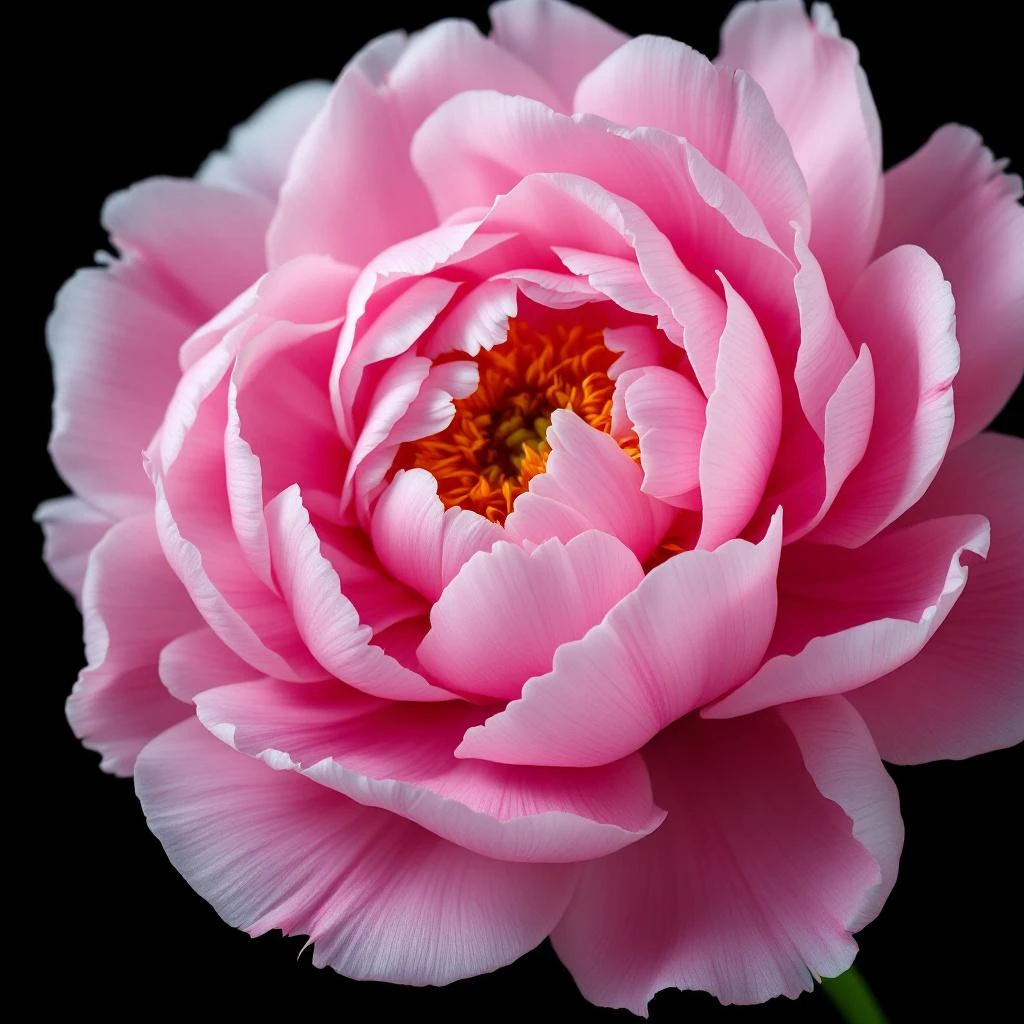
Yuzu blossom captures the fleeting elegance of Japanese winter with its delicate floral-citrus character. Less intense than the fruit, this rare note offers soft petals, sun-dried leaves, and a whisper of honeyed brightness that elevates fragrance compositions.
Character
How it smells
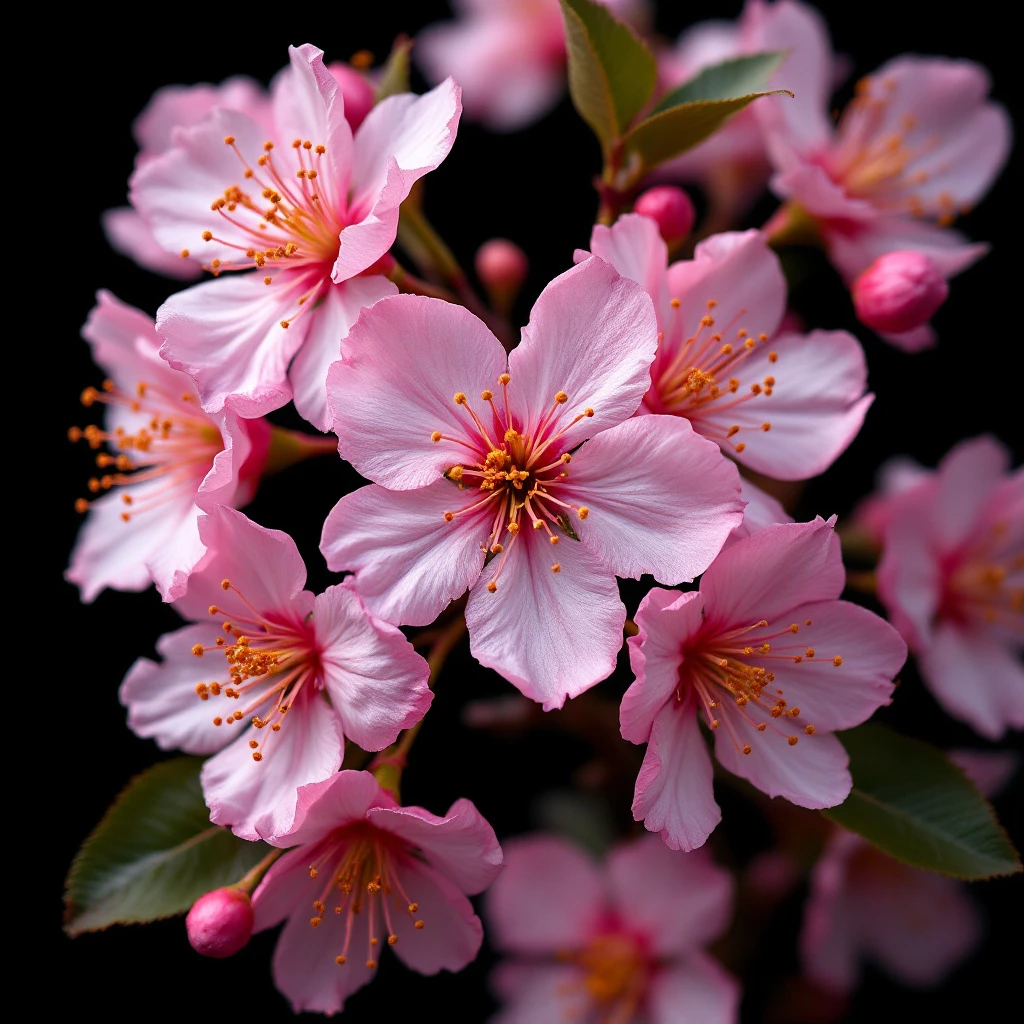
Winter blossoms from Japanese mountainsides.
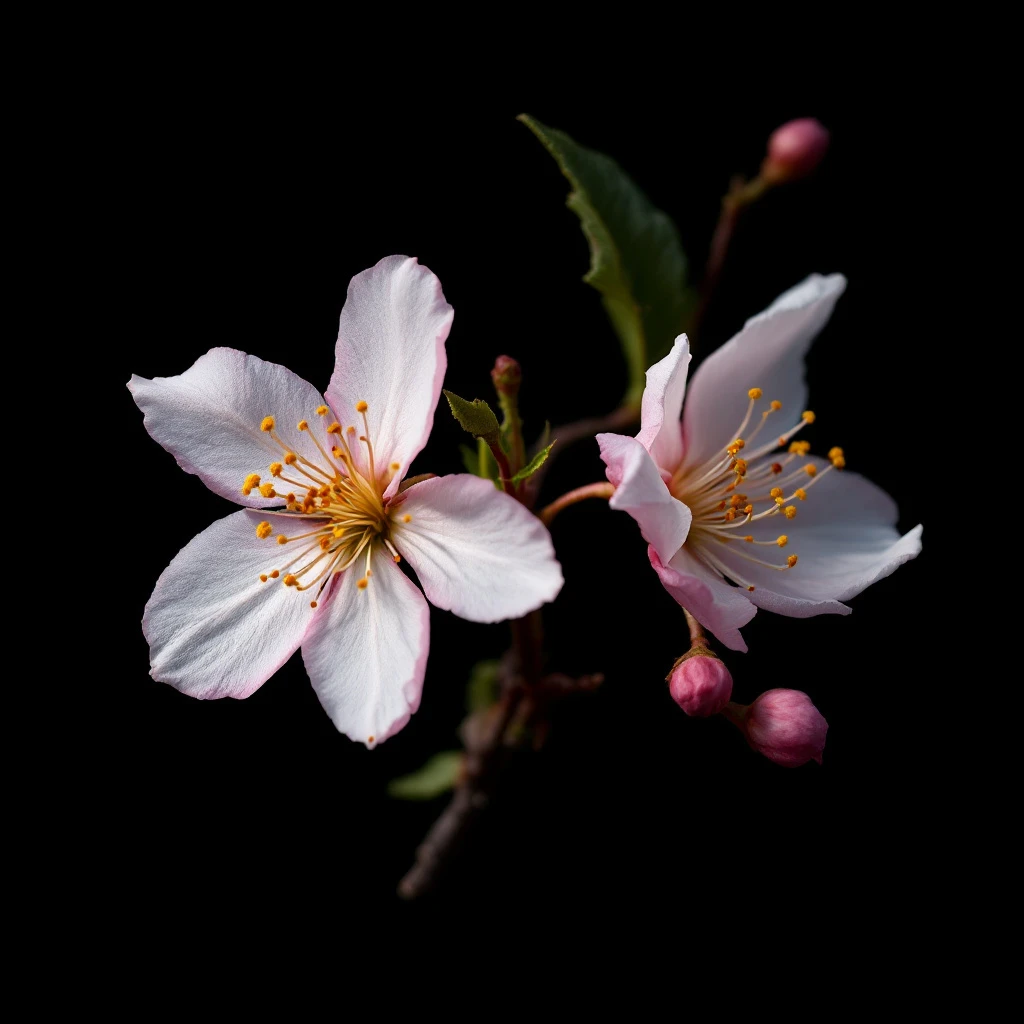
Yuzu trees bloom in late winter when most other flowering plants remain dormant, making the blossoms a rare and treasured find in perfumery.





Origin
China
Yuzu originated in the mountainous regions of central China and Tibet, where wild trees still grow at high elevations. The fruit and its flowers accompanied traders along the Silk Road during the Tang Dynasty, arriving in Japan and Korea between 616 and 907 CE.
Japanese artisans quickly adopted yuzu for ceremonial uses, incorporating the blossoms into New Year decorations and traditional baths during the winter solstice. The fragrant flowers gained particular significance in Kyoto's perfumery traditions, where they represented purity and renewal during the coldest months.
Unlike the widely-exported yuzu peel oil, yuzu blossom remained primarily a domestic Japanese ingredient for centuries. Western perfumers only began exploring this material in the late twentieth century, drawn by its unique combination of delicate floralcy and citrus brightness that no other ingredient quite replicates.
Wears it best
Fragrances featuring Yuzu Blossom


Brands
Brands known for Yuzu Blossom
Good to know
Questions, answered
The essentials on Yuzu Blossom in perfumery: how it smells, where it comes from, and how it behaves on skin.
What does yuzu blossom smell like?
Yuzu blossom combines delicate floral notes with soft citrus undertones, a whisper of honey, and subtle green leaf-like accents. It is gentler than yuzu peel and lacks that sharp, sparkling quality.
Is yuzu blossom the same as yuzu peel?
No. Yuzu blossom comes from the flowers of the yuzu tree, while yuzu peel is the zest of the fruit. The blossom offers a softer, more floral character compared to the bright citrus punch of the peel.
Where does yuzu blossom come from?
Yuzu originated in China's mountainous regions and Tibet before spreading to Japan and Korea during the Tang Dynasty. Modern production remains concentrated in Japan.
How is yuzu blossom extracted?
Producers use solvent extraction to obtain yuzu blossom absolute. This method protects the fragile aromatic molecules in the petals that steam distillation would damage or destroy.
Is yuzu blossom rare in perfumery?
Yes. Yuzu blossom sees limited use compared to yuzu peel oil. The low petal yield and short harvest window make the absolute scarce and valued among artisan perfumers.
What fragrance families pair well with yuzu blossom?
Yuzu blossom works in airy florals, soft citrus compositions, and delicate oriental fragrances. It complements white musks, light woods, and gentle spice notes.
Does synthetic yuzu blossom exist?
Makers create synthetic reconstructions that mimic certain aspects of yuzu blossom, but no single molecule replicates the full complexity. Natural absolute remains prized for its authenticity.
When do yuzu trees bloom?
Yuzu trees flower in late winter, often between February and March in Japan. This unusual blooming period makes the blossoms especially significant in Japanese seasonal traditions.




