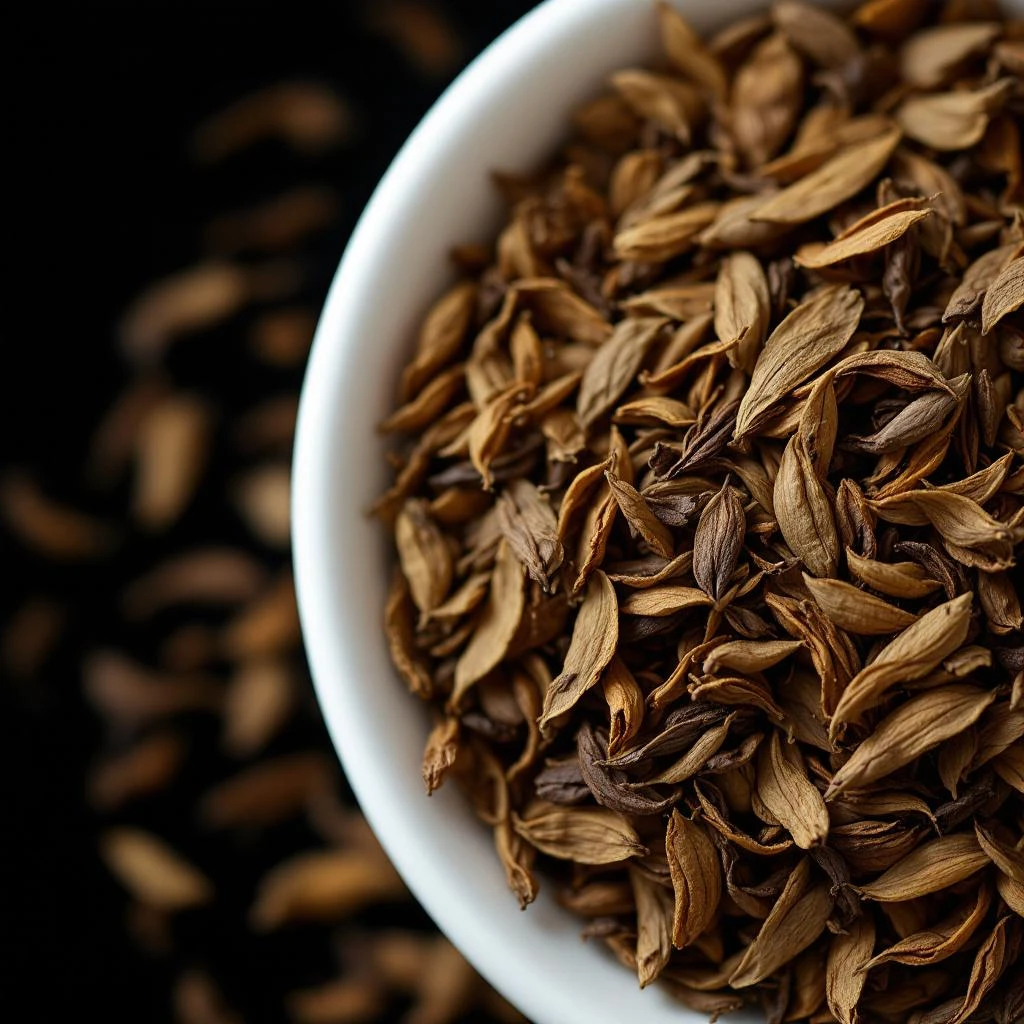
Liana
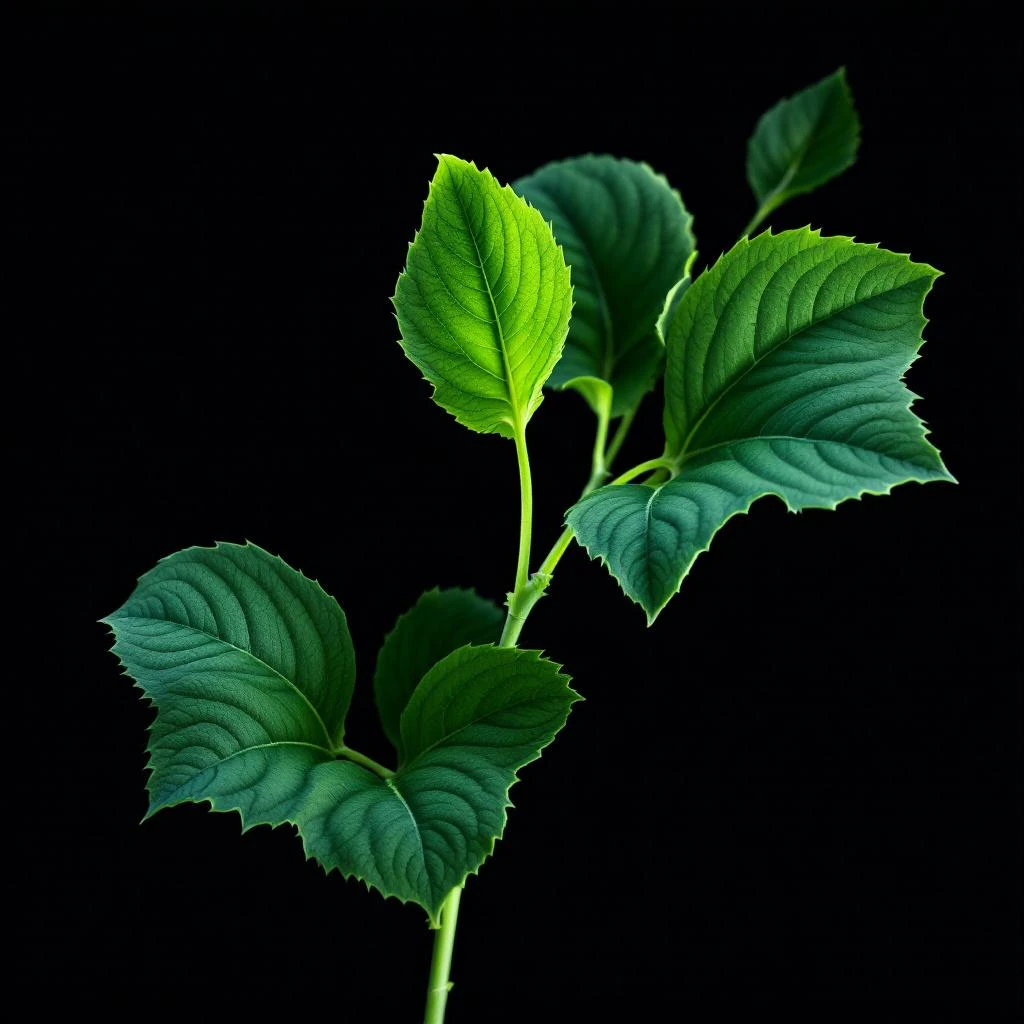
Liana captures the wild, climbing essence of tropical rainforests—a green, slightly woody aroma that evokes dense jungle canopy and the slow spiral of vines reaching toward light.

Character
How it smells
The wild heart of tropical forests, distilled into scent.
The word 'liana' comes from the French 'liane,' used by botanists to describe any woody vine in tropical rainforests, where these plants can make up 40% of forest vegetation.
Pairs beautifully with


Origin
Indonesia
Tropical climbing plants have long been used in traditional medicine and rituals across Southeast Asia, South America, and West Africa. Indigenous peoples harvested various liana species for their aromatic barks and sap, using them in incense and body treatments. In perfumery, the concept of Liana emerged in the late 20th century as fragrance houses sought to recreate the atmosphere of intact rainforests.
Modern extraction techniques developed in the 1980s and 1990s allowed perfumers to capture the distinctive green, slightly medicinal quality of these climbing plants, giving rise to a note that represents untouched tropical wilderness. Today, Liana appears primarily in niche and designer fragrances that aim to evoke primal nature.
Wears it best
Fragrances featuring Liana
Brands
Brands known for Liana
Good to know
Questions, answered
The essentials on Liana in perfumery: how it smells, where it comes from, and how it behaves on skin.
What does Liana smell like?
Liana has a green, slightly woody aroma with fresh vegetative and subtly medicinal qualities. It evokes the scent of climbing vines in a tropical rainforest, combining fresh cut stems with earthy undertones.
Is Liana a natural or synthetic ingredient?
Liana can be either natural or synthetic. Natural Liana is extracted from tropical climbing plants via steam distillation, while synthetic versions recreate the green, woody aroma profile using aromatic compounds.
Where does Liana material originate?
Liana extracts primarily come from climbing plants found in Southeast Asian rainforests, particularly Indonesia, Malaysia, and the Philippines, where tropical vine species are abundant.
How is Liana used in perfumery?
Perfumers use Liana as a heart or base note to add green, atmospheric depth. It works particularly well in fragrances aiming for tropical, natural, or exotic themes, often combined with other green and woody materials.
Which fragrance families commonly feature Liana?
Liana appears most often in green, chypre, and aromatic fragrance families. Niche houses specializing in botanical or nature-inspired scents use it most frequently.
Does Liana have any traditional uses beyond perfumery?
Various liana species have been used in traditional medicine across tropical regions for centuries. In some cultures, they served as remedies for inflammation and digestive issues.
What other ingredients pair well with Liana?
Liana combines effectively with vetiver, patchouli, green tea, and other tropical materials like ylang-ylang. Its green profile also complements herbaceous notes such as basil and clary sage.