The Story
Why it exists.
The beginning
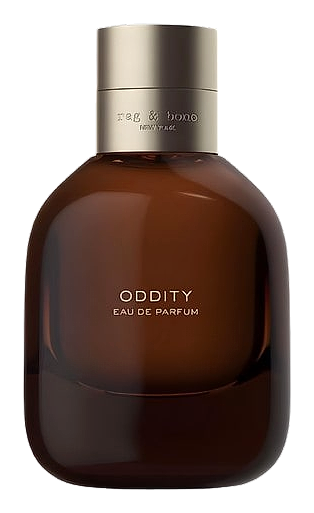
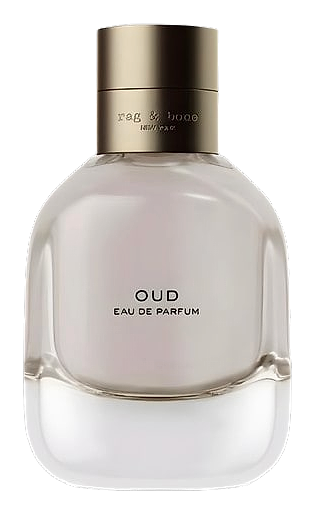
Oud arrives as a study in tension, not spectacle. This one centers on oud, not as an accessory, but as the spine of the entire composition. The brief reads like an experiment: take a demanding material, balance it with care, and see how far the composition can stretch without losing composure. Bergamot opens with a cool, slightly bitter lift, the kind of citrus that cuts through rather than dazzles. Elemi resin follows, peppery and bright, with a translucent quality that lets light into the darker notes waiting below. Myrrh deepens the air almost immediately, smoky and ancient, pulling you closer before the oud ever arrives. Three base notes, including ambergris and gaiac wood, anchor everything that comes after. The minimalism is intentional. This is oud architecture, not oud costume.
What separates this oud from the crowded genre is how it treats its resinous material. The base composition lets oud speak without competition, pairing it against gaiac wood, a hardwood note with a smoked, slightly sweet character that grounds the blend in something tactile and earthy. Labdanum deepens the mid-palate, sticky and golden, adding a layer that reads almost as warmth before warmth arrives. The ambergris works in quiet register throughout, mineral and skin-like, giving the whole composition a lived-in quality from the first spray.
The evolution
The opening reads bright and almost deceptive. Bergamot and elemi resin carry the first moments with a peppery, citrus-edged clarity that has nothing to do with what comes next. Myrrh threads through quickly, adding a smoky, slightly bitter warmth that signals the shift before it arrives. The transition unfolds in slow degrees. The airy, resinous top notes begin to compress as labdanum surfaces, sticky and golden, pulling the composition downward toward skin. The oud arrives not as a burst but as a deepening, folding into the labdanum and gaiac wood until the whole base reads as one continuous material rather than separate pieces. The drydown feels dense and intimate, the kind of scent that rewards proximity rather than projection. Gaiac wood keeps the base from going overly sweet, lending a smoked, wood-stained quality that lingers like furniture in an old room.
Cultural impact
Oud has carried ceremonial weight across the Middle East for centuries, long before contemporary niche perfumery picked it up. Rag & Bone's decision to anchor a fragrance in oud, elemi resin, and myrrh places the composition inside a lineage that runs from temple incense to atelier bottles, drawing on a tradition where resinous materials meant something specific before they meant anything commercial. The choice signals familiarity with how these materials read historically, not just how they trend now.