The Story
Why it exists.
The beginning
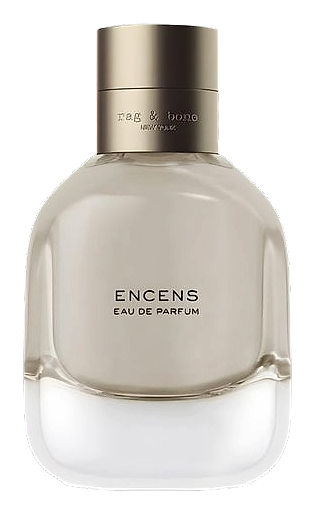
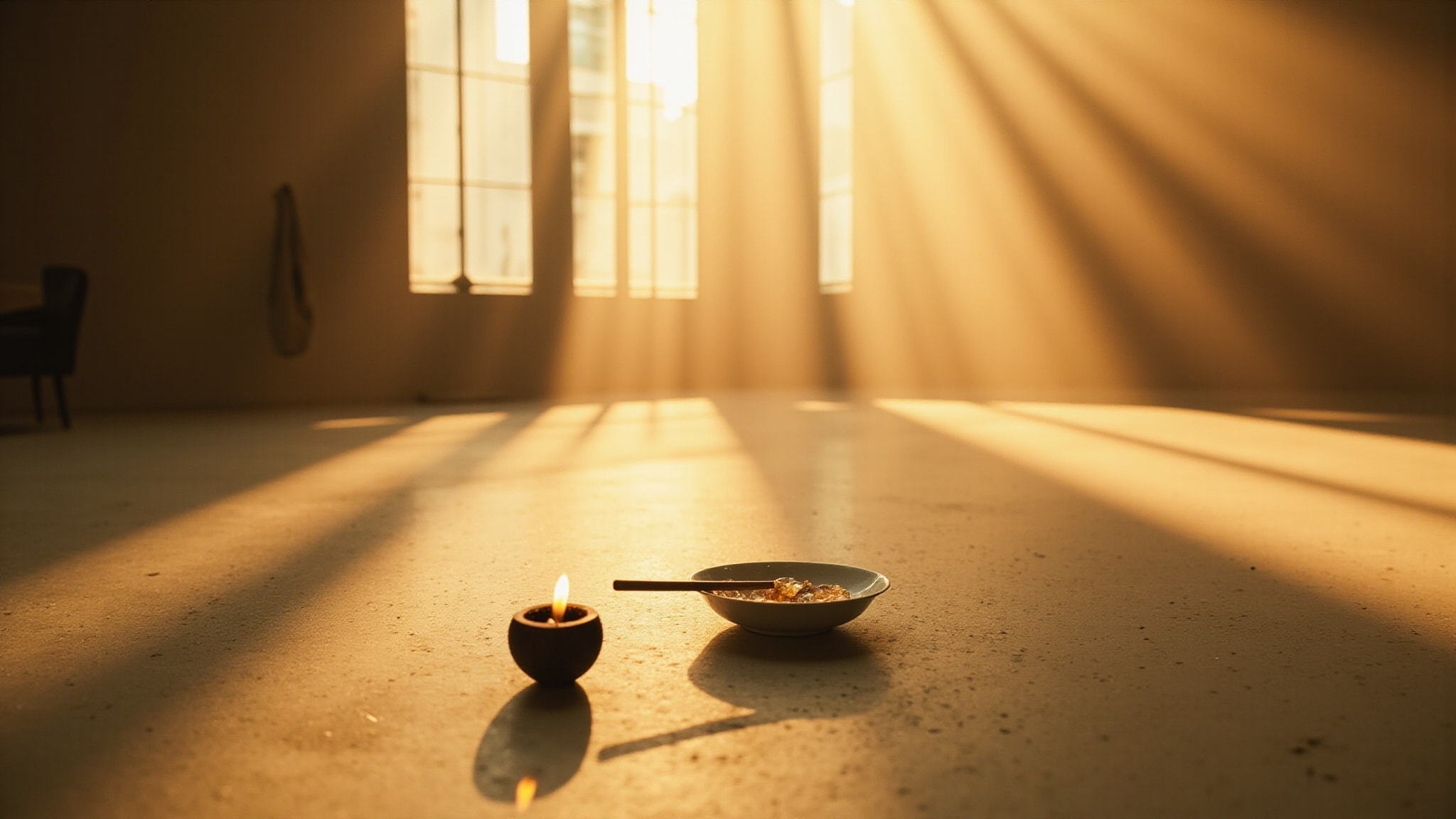
Encens arrived in 2016 as Rag & Bone's answer to a specific problem: how to capture incense without the smoke. The New York fashion label, known for its restrained sensibility, had watched too many fragrances mistake loud for powerful. DSM-Firmenich approached the brief differently, instead of pyrotechnics, they built around the moment before ignition. The resin was still cool. The smoke hadn't risen. That stillness became the fragrance.
What makes this structure unusual is the tension between freshness and warmth. Most incense fragrances announce themselves. Encens asks you to lean in. The bergamot and black pepper opening is almost soapy in its cleanliness, a deliberate choice that keeps the frankincense and myrrh from overwhelming. Those heart notes don't burn; they soften. They become something you live in rather than something you perform. The labdanum and amber base holds everything close, intimate, never projecting beyond arm's reach.
The evolution
The opening hits first, bergamot and black pepper arriving fresh and bright, almost soapy in their cleanliness. Within minutes, frankincense and myrrh take over, but they don't smoke. They soften. The resin sits cool against the skin, and for a moment you're in a church before the service, not during it. The base arrives quietly, amber, labdanum, and musk holding close, intimate, never projecting far. On most skin, it lasts four to six hours. On dry skin, less. The drydown is the tell: powder-soft, clean, the ghost of something sacred without ever having burned.
Cultural impact
Encens found its audience among those who wanted the spiritual quality of incense without the smoke or projection. It became the quiet choice, for people who prefer to be discovered rather than announced. The fragrance doesn't fill a room; it waits for someone to lean in. This restrained character made it a cult favorite among those tired of performative scent.