The Story
Why it exists.
The beginning
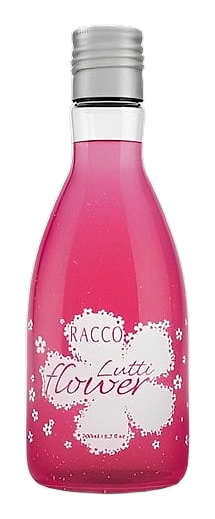
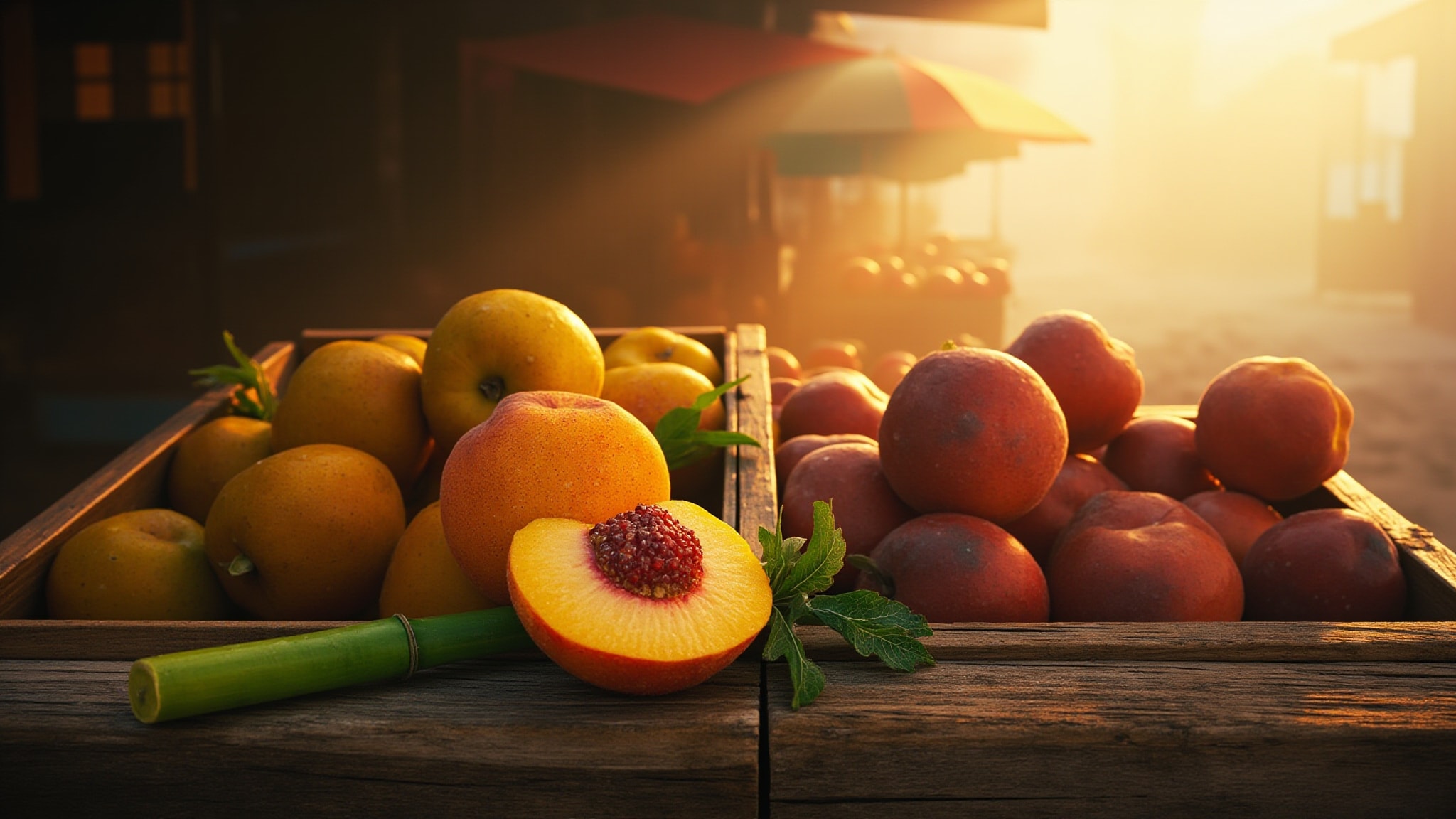
Lutti Flower traces its roots to São Paulo's sprawling CEAGESP market, where wooden crates overflow with peaches, apples, and pears under the soft morning light. The scent was conceived as an homage to that daily scene, capturing the sensory intensity of market stalls at dawn. Racco's perfumers drew on Brazilian botanicals like bamboo alongside more traditional materials to build a modern narrative. The perfumer behind the composition sought to honor those market mornings while creating something that would translate globally. The name Lutti itself echoes the lightness and sweetness of the fruit on display, a tribute to abundance and morning optimism that defines São Paulo's relationship with its produce.
Lutti Flower represents Racco's commitment to using Brazilian botanicals in a contemporary context. The bamboo note, sourced from native Brazilian flora, gives the drydown a green quality rarely found in fruity florals, which typically lean on vanilla or amber for their base. The apple and peach opening is a deliberate choice to evoke the market crates where the scent's inspiration originated. The jasmine and rose heart provides a bridge between the bright opening and the grounded base, ensuring the fragrance moves rather than sits. This structure reflects a philosophy of contrast, where each phase of the scent offers something distinctly different while remaining cohesive.
The evolution
Lutti Flower begins with an immediate impression of bright red apple and lemon, a crisp opening that feels like walking into a market at dawn. Peach and pear weave in quickly, their soft ripeness balancing the tart citrus with warmth and sweetness. Red fruits add a gentle tartness that keeps the opening lively. As the composition moves through its second act, jasmine and rose emerge, a softer, more intimate phase that feels like stepping from the bustling market into a quiet courtyard. White flowers amplify this transition with a translucent quality, as if the florals are barely there. The final movement brings bamboo and cedar, a cool green cleanliness that feels almost aquatic before warming into the musk and wood base. The arc mirrors the market itself, from the bright energy of morning fruit displays through the quieter moments of reflection, ending with the lingering impression of a place visited at the right moment.
Cultural impact
Since its launch in 2011, Lutti Flower has become a cultural touchstone within Brazil’s modern fragrance scene, symbolising the country’s youthful energy and love for vibrant, fruit‑forward scents. It sparked a wave of interest in locally sourced botanicals, encouraging other houses to explore native ingredients. The perfume’s popularity at festivals and outdoor gatherings highlighted a shift toward lighter, more approachable aromas that resonate with a generation seeking authenticity. Its influence extends beyond perfume bottles, inspiring fashion designers and artists to incorporate citrus motifs into their work, reinforcing a shared aesthetic of freshness and optimism across creative fields.