




Heritage
A house, in its own words
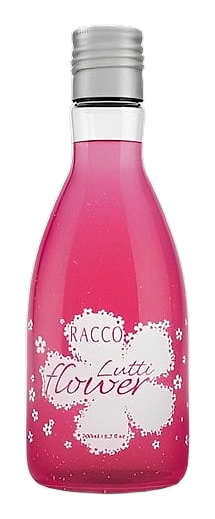
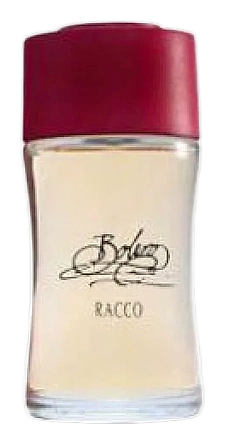
Racco emerged in São Paulo in 2005, founded by a collective of former fragrance consultants who wanted a platform for experimental, locally sourced scents. The founders, whose names are not widely publicised, pooled industry contacts to secure raw materials from Brazil’s Atlantic forest and Amazon basin. Their debut fragrance, Astree (2009), combined native Brazilian orange blossom with a hint of cedar, earning modest praise in regional trade magazines. In 2010 the house released Luiz Felipe, a citrus‑driven scent that referenced the founder’s grandfather, a former coffee farmer. The following year, Racco introduced Malle (2011), a leather‑oriented composition that signaled a willingness to tackle traditionally “masculine” accords. By 2015 the brand had opened a small atelier in the historic Vila Madalena district, where perfumers could experiment with micro‑extractions of rare botanicals. 2017 marked a partnership with the independent perfumer Gi, resulting in Black Diamond, a fragrance that married dark amber with sustainably harvested sandalwood. The most recent addition, Lilac (2024), showcases a renewed focus on delicate florals, using hand‑picked lilac buds from the state of Paraná. Throughout its evolution, Racco has remained a privately held entity, avoiding large‑scale investment and retaining full creative control, a fact confirmed by the company’s own statements on its website. Racco’s creative vision centers on a dialogue between place and perfume. The brand believes that a scent should act as a memory capsule, preserving the aroma of a specific landscape or moment. This philosophy drives a commitment to sourcing ingredients from small‑scale Brazilian farms that practice agro‑forestry and fair‑trade principles. Racco’s perfumers are encouraged to work with raw materials in their most natural state, often opting for cold‑pressed essential oils over synthetics when the aroma profile allows. The house also stresses transparency: each launch is accompanied by a brief note describing the origin of its key ingredients, the harvest season, and the intended emotional narrative. Sustainability is woven into the brand’s values; packaging is designed for recyclability, and a portion of each sale supports local reforestation projects in the Atlantic forest. By grounding its creative process in ecological respect and cultural specificity, Racco aims to offer fragrances that feel both personal and responsibly made.