The Story
Why it exists.
The beginning
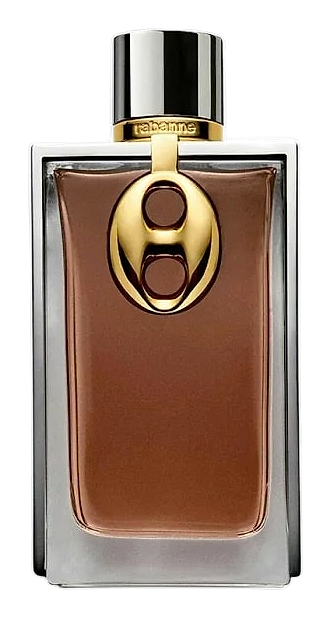
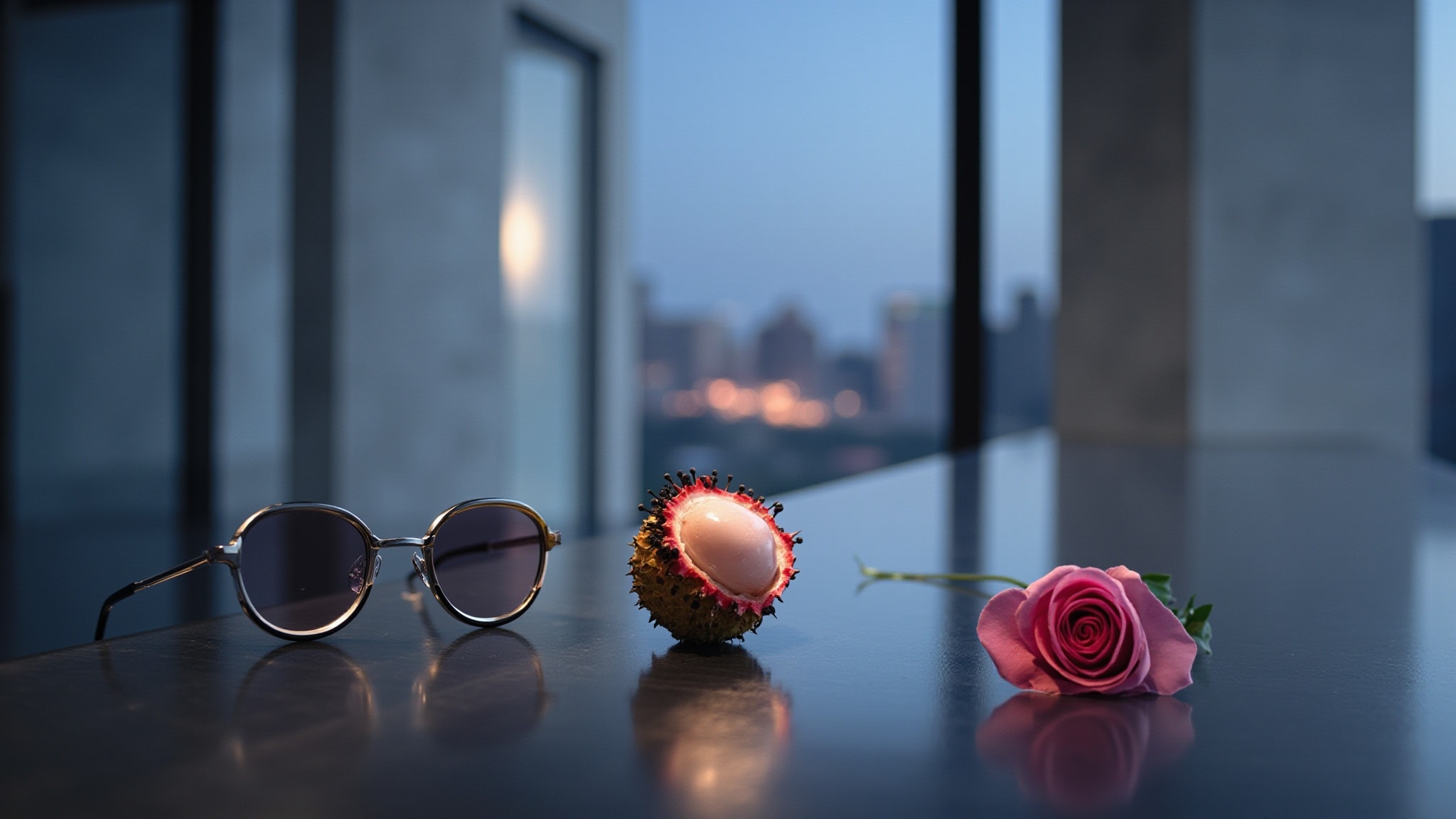
The year 1969 isn't a date. It's a statement. Rabanne launched Calandre that same year, a fragrance the house has long pointed to as foundational, and Rose 1969 takes its name from that pivotal year and from one of the fashion house's most iconic accessories: the 1969 Bag, which became a symbol of the house's provocative identity. Perfumer Christophe Raynaud built the composition around a tension that runs through the entire wear. A silky lychee accord, amplified by the flamboyance of Rosa Damascena, gets set ablaze by a blast of black pepper. The rose doesn't behave the way you expect a rose to behave. It's not a soft whisper or a powdery hush. It leans into the heat, letting the spice reshape it from underneath.
Lychee and Damask rose isn't a common pairing, and it's worth pausing on why it works. Lychee brings a specific kind of sweetness, the translucent, almost candied brightness of the fruit itself, that makes the rose read louder and more saturated. Black pepper then cuts through that sweetness with a dry, immediate heat, the kind that prickles rather than burns. The patchouli here is dusky, and it sits underneath the rose like a shadow that gives the brightness its shape.
The evolution
The opening belongs to lychee. It's cold, almost crystalline, with a sweetness that reads more like the fruit's translucent flesh than any syrup. Black pepper threads through it, sharp and immediate, like static between stations. There's almost no rose at the start, just fruit and spice colliding in a way that makes you pay attention. As the composition settles, the lychee steps back and Damask rose takes over. It's a heavy, jammy rose, not the dewy fresh-cut-stem kind. The kind of rose that feels like it was picked at full bloom and left in a warm room. The black pepper persists underneath, lending the floral a hot edge that keeps it from ever feeling soft. Patchouli surfaces here, dusky and slightly smoky, grounding the composition without darkening it.
Cultural impact
Rose 1969 sits within Rabanne's La Collection Rabanne. Its reference point is clear, the 1969 Bag and the legacy of Calandre, both anchored to the same pivotal year in the house's history. Wearers comparing it in fragrance communities note its niche-leaning character and have drawn parallels to compositions like Eau Capitale while noting its sweeter, jam-rose reading. What makes it land within the Rabanne universe is its refusal to behave like a typical rose. It's not demure, not powdery, not grandmotherly. It's a rose that wants to be noticed, and the fragrance community has responded accordingly.