
The Story
Why it exists.
The beginning
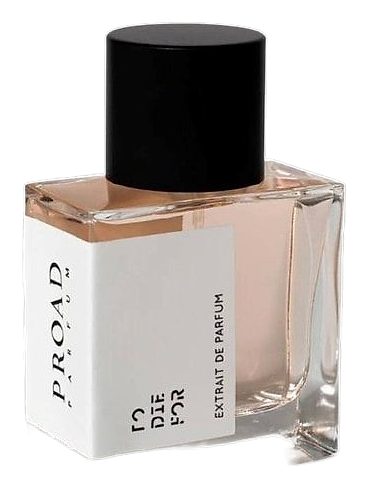
Proad's Thai perspective on desire runs quieter than the brand's seven-deadly-sins framing suggests. To Die For takes its name from the kind of wanting that doesn't announce itself. Not passion as spectacle. More like the specific gravity of someone who makes a room feel different the moment they leave it. The brief, based on the brand's thematic approach, seems to have been about translating that particular ache into scent: fruit and florals at their most inviting, with an aquatic counterpoint that keeps the sweetness honest. Nothing here is trying to seduce you. It's already sure of itself.
The heart notes are where this fragrance earns its complexity. Ten ingredients, but the real story is how the marine elements (sea salt and seaweed) interact with the tropical florals (tuberose, jasmine, ylang-ylang). On paper that sounds dissonant. On skin, the salt acts like a clarifying agent, keeping the heady florals from tipping into something cloying. It's an unusual choice for a fruity-floral structure, which typically leans into sweetness as its selling point. Instead, To Die For uses minerality as a restraint. The result is a fragrance that smells expensive without smelling safe.
The evolution
The first fifteen minutes belong to blackcurrant and pink grapefruit. Tart, bright, attention-getting. Then fig arrives with its lactonic, slightly milky quality, softening the citrus edge. This transition happens around the thirty-minute mark and is the fragrance's most approachable phase. The heart begins asserting itself around the first hour. Jasmine and tuberose emerge first, bringing warmth and tropical richness, but sea salt and seaweed arrive simultaneously, creating a tension that prevents the florals from taking over. The salt doesn't dominate, but it's the thread that runs through the heart, keeping everything grounded. Around hour three, the base notes begin to surface. Vanilla appears first, creamy and warm, followed by white musk. Sandalwood and cedar add structure, while amber provides a soft warmth that holds the composition together.
Cultural impact
To Die For occupies an interesting space in the niche fragrance landscape: fruity-floral enough to be approachable, complex enough to reward attention. The marine counterpoint adds unexpected depth to what could have been a straightforward sweet floral, while the Thai perfumer's perspective brings a distinct point of view to the genre. For those seeking something with more character than typical fruity-florals, this offers a compelling alternative. The brand's framework around desire gives it intellectual depth without becoming pretentious.