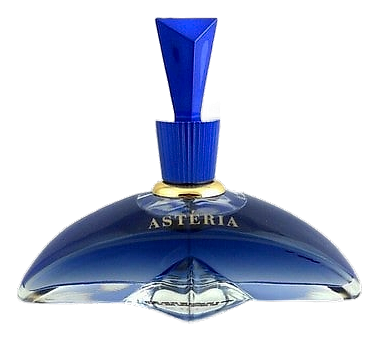
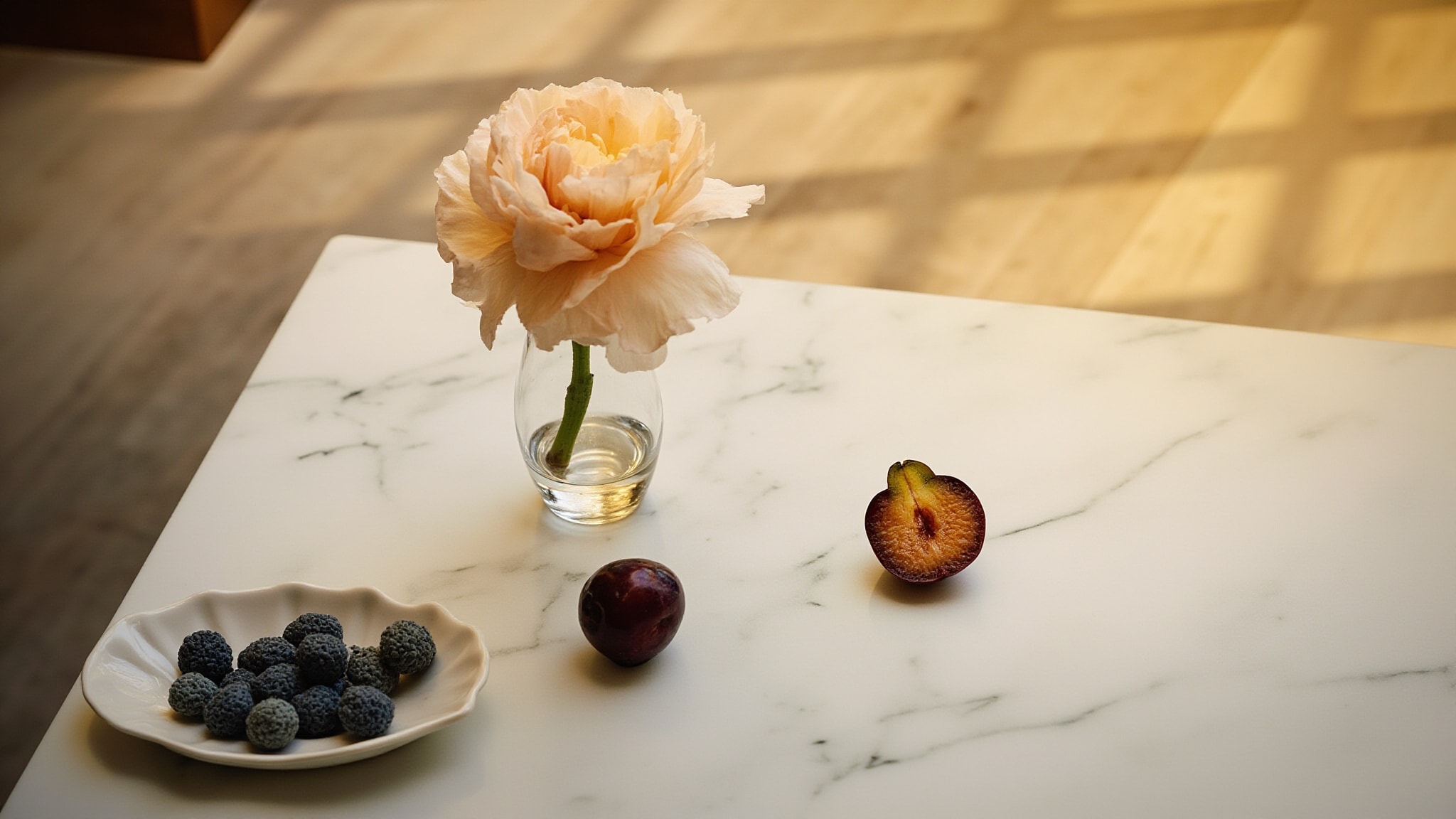
The Story
Why it exists.
The beginning
Asteria arrived in 2003 as a study in contrast, cool fruit against warm spice, bright opening against a close, powdery drydown. The house had spent the late 1990s exploring single-flower accords drawn from garden botanicals. Asteria was the next move: a fragrance that took the structured elegance of those early compositions and added depth. Plum and juniper opened like cold air on a clear morning. Peony and clove formed a heart that felt intimate rather than loud. The amber-cedar base was the quiet anchor that made everything else hang together for hours.
What makes Asteria interesting is the juniper. It's not a common opening note in women's fragrance, more often it appears in masculine or unisex compositions. Here it gives the plum a sharp, almost mineral edge that keeps the sweetness from becoming syrupy. The clove in the heart does something similar: warm spice that pushes back against the peony's powdery softness. The result is a fragrance that feels balanced between cool and warm, fresh and oriental. The sandalwood in the base is milky and soft, which is what gives the drydown its skin-close quality rather than a projecting cloud.
The evolution
The opening hits fast, plum's sweetness arrives first, then juniper sharpens it into something cool and bright. That juniper edge fades within the first 30 minutes as the florals take over. Peony and rose blend into a soft, powdery warmth that sits close to the skin. The clove is the quiet workhorse here, it keeps the florals from becoming too sweet by adding a dry, spiced warmth underneath. The drydown is where Asteria earns its reputation. Around the 2-hour mark, the florals begin to recede and the amber-cedar-musky base takes over. Sandalwood goes creamy and skin-like. Musk softens everything further. The drydown doesn't project much, it stays intimate, close, almost powdery. On most skin types it holds for 6-8 hours, with the base notes doing the heavy lifting after the first two.
Cultural impact
Princesse Marina De Bourbon emerged from the grand tradition of French noble perfumery, with the Asteria launch representing the house's strategic pivot in the early 2000s market. The 2003 debut arrived during a period when European luxury fragrance houses were competing to capture a growing appetite for oriental-fruity compositions. Asteria's introduction coincided with broader cultural shifts in fragrance appreciation, as consumers began seeking more complex scent narratives beyond single-note profiles. The brand leveraged its aristocratic heritage to position Asteria as an accessible entry into noble perfumery, creating a bridge between heritage craftsmanship and contemporary taste.