The Story
Why it exists.
The beginning
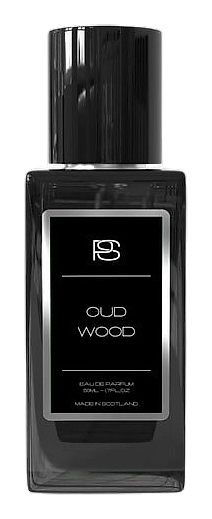
Oud Wood (2024) by Pocket Scents arrived in 2024 as the brand's interpretation of one of perfumery's most recognisable architectures: the smoky-rosewood-oud orienting that's shaped an entire generation of men's fragrance. The composition takes a familiar template and renders it with a particular kind of restraint, opening with Brazilian rosewood and oud in tandem, unusual in how the wood leads from the first spray rather than waiting for a citrus or pepper overture to clear the air. What you get from the start is structure: a dry, polished woodiness that sets the frame. Cardamom and Sichuan pepper are present in the construction, sharpening the edges without dominating them, and the balance throughout stays measured and considered.
What distinguishes this composition is the placement of oud at the top rather than the heart. Pocket Scents pairs oud with Brazilian rosewood at first contact, which gives the opening a drier, more architectural feel. The oud arrives as something considered and lean, a wood presence rather than a theatrically animal one, and the rosewood beside it gives that dryness a polished sheen, almost furniture-like in its composure. Then sandalwood at the heart doubles down on that creaminess, lending the composition a smoothness that lets the base notes, vanilla and tonka bean, glide rather than grip.
The evolution
The opening is rich, dark, and immediate, and it stays that way longer than you might expect. Brazilian rosewood and oud land together with a dry, almost architectural clarity, like walking into a room lined in dark wood where someone has just ground cardamom. There's no sweetness yet, no warmth. Just structure. As the composition wears, the sandalwood arrives and softens everything. The cardamom and Sichuan pepper lose their bite and become spice-dust rather than spice-crackle, settling into the woodiness rather than cutting across it. The oud shifts register too, moving from that initial leanness toward something more rounded, still woody but now with a touch of polish. In time, the base has fully taken over. Vanilla and tonka bean settle in, amber underneath them giving the whole thing a resinous hum. The oud doesn't disappear.
Cultural impact
Oud Wood (2024) reads like a study in restraint rather than a statement, and that choice gives it a particular kind of presence in the current landscape. It is the kind of fragrance that rewards slow wearing, the sort you reach for when you want to smell composed without sounding like you're trying. The oud sits at the top alongside Brazilian rosewood, which sets the tone immediately: this is wood-forward from the first contact, not a composition that waits for the base to do the heavy lifting.