The Story
Why it exists.
The beginning
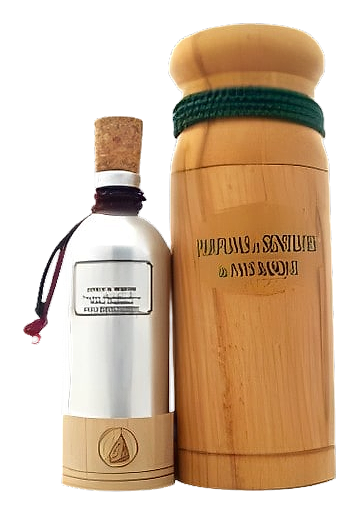
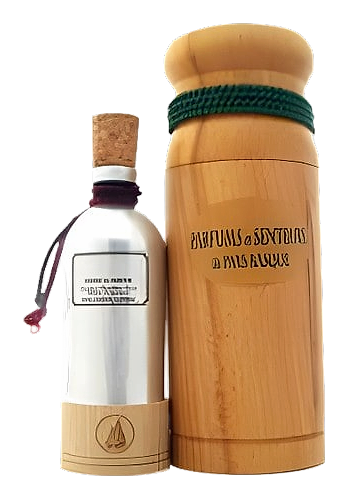
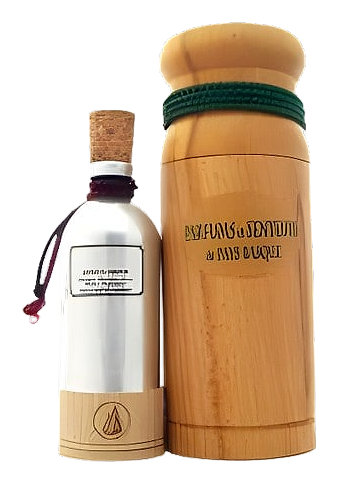
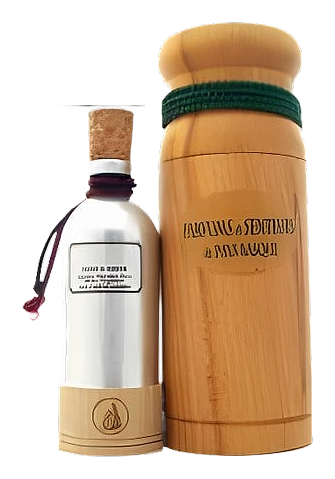
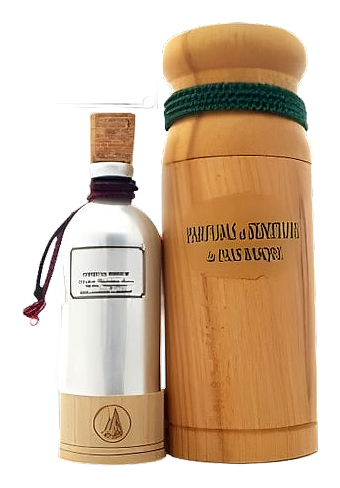
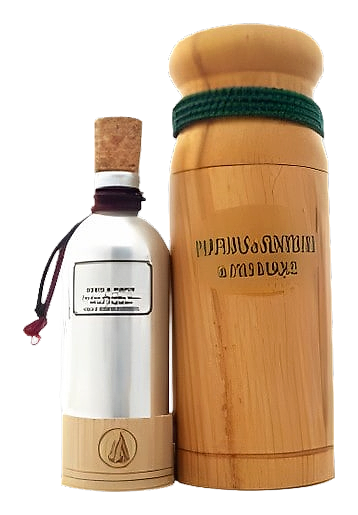
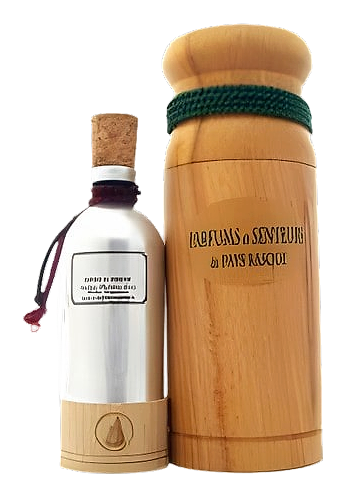
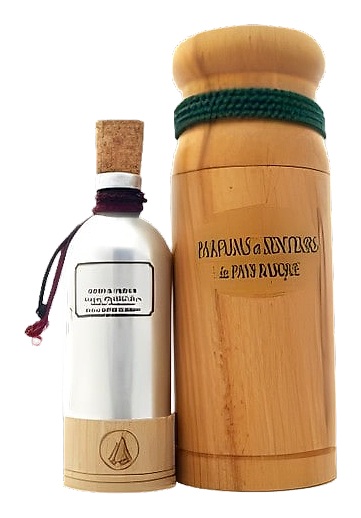
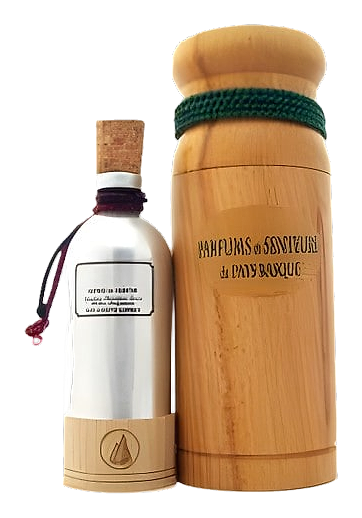
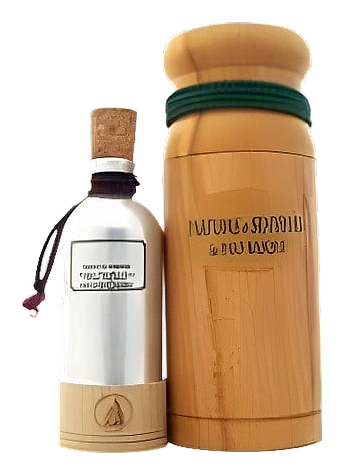
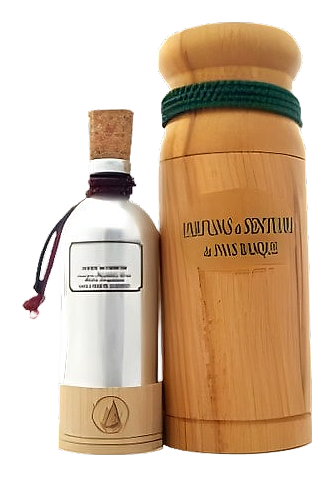
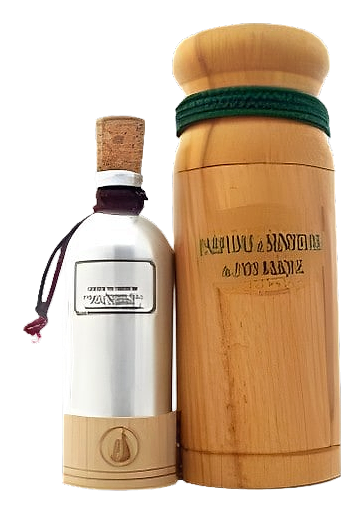
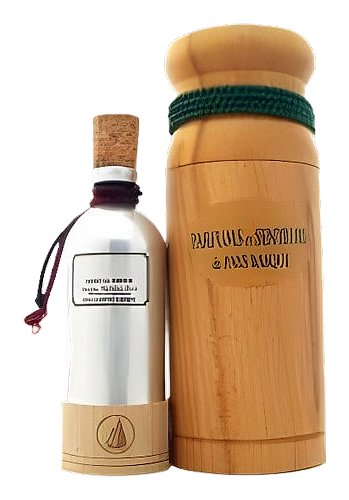
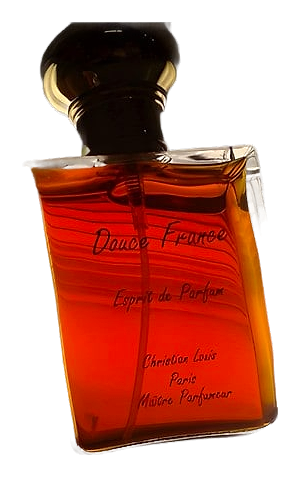
Douce France comes from Parfums et Senteurs du Pays Basque, a house with roots in the Basque Country and a presence in Paris. The name points toward France without leaning on any single image of it. What lands on skin is a tempered, understated idea, less postcard than impression. Mandarin orange gives the opening its poise, a bright peel of citrus that feels measured rather than showy. Iris and soft floral notes bring the polish, carrying a cool, powdery weight that settles close to the skin. Patchouli grounds the composition, adding depth and a damp green quality that keeps the whole thing from drifting into something too neat or too sweet. It's a fragrance built on contrast, where each note seems to hold its own shape while the others temper it.
The interesting part is the friction inside that structure. Iris is powdery, cool, and faintly starched, almost the opposite of patchouli, which is damp, dark, and green. Together they read like a well-kept room with the garden just behind the window. The orange lands between them, lending brightness without turning the composition into a citrus showcase. Floral notes in the heart soften the iris rather than compete with it, and the base carries the weight once the bright opening has gone.
The evolution
The first minutes are the most talkative. Mandarin orange, ripe and slightly sharp, sits up front where you notice it most, its peel-like brightness giving the opening a clean, alert edge. As that brightness recedes, the floral heart takes over, and iris arrives with a cool, powdery hush that reads almost like clean starch and pressed flowers. That is the most delicate phase, and also the one that can seem too polite on its own. Patchouli resolves the tension. It gathers underneath, earthy and faintly sweet, giving the iris somewhere to stand and keeping the composition from reading as a sweet powder. As the fragrance settles, the citrus fades from the foreground, the iris softens into a gentle veil over the skin, and the base grows more present, its darker green character anchoring everything.
Cultural impact
Douce France takes a country as its subject, and it wears that choice lightly. The iris and patchouli pairing gives it a composed rather than decorative character, a floral that carries an earthy undertone instead of staying purely sweet. For anyone drawn to fragrances with a French sensibility and a grounding, natural accent, it offers a portrait of France built on contrast: cool iris, bright mandarin, and the damp green depth of patchouli. It's a quiet kind of statement, less tourist postcard than composure, and it rewards a closer look at how the notes sit against one another and how each one changes the temperature of the whole.
The House
Parfums et Senteurs du Pays BasqueChristian Louis built a fragrance house rooted in two contrasting worlds: the sophistication of Paris and the rugged beauty of the French Basque Country. Operating workshops and boutiques in Espelette, La Bastide Clairence, and Bayonne, alongside a shop on the Place des Vosges in Paris, the house draws on the landscapes, traditions, and sensory memory of southwestern France. The collection spans masculine and feminine fragrances, unified by a narrative approach to scent. Each perfume takes its inspiration from Basque culture, literature, or the landscape itself, from the spice of traditional pain d_epices to literary characters rendered in olfactory form.
The Creator
Christian LouisThe Louis signature leans toward intensity and staying power. He demonstrates particular skill with modern amber molecules, especially ambroxan, which he incorporates to add depth and a subtle mineral warmth that lingers close to the skin.