The Story
Why it exists.
The beginning
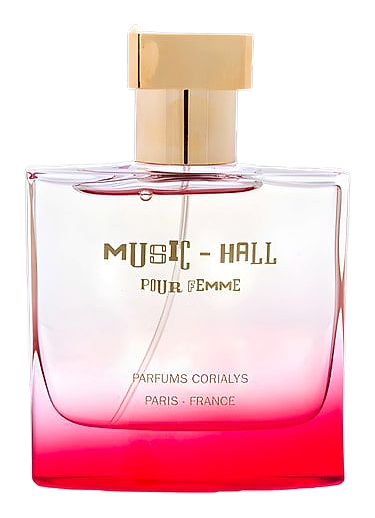
Music-Hall arrived in 1996. The available record names no perfumer, leaving the fragrance and its note structure as the clearest material for exploring its character. Fruity brightness and bergamot establish the first impression with a lightly citrusy quality. Violet, rose, jasmine, cloves, peppermint, and sandalwood form a layered floral heart, with fruit, citrus, floral, spicy, and woody elements meeting in one composition. Tobacco, oakmoss, vanilla, and white musk add a warmer base of tobacco, moss, sweet vanilla, and soft musk. The result balances fruit and citrus with florals and spices, then settles into woods, tobacco, vanilla, and musk. Nothing about the documented history needs decoration.
Its interest comes from the contrasts held in one composition. Fruit and bergamot introduce fruit and citrus notes, while violet and rose keep the heart floral rather than strictly fruity. Jasmine adds another floral accord to the middle, and cloves and peppermint contribute spice. Sandalwood gives the center a smooth woody body. The base then shifts toward tobacco and oakmoss before vanilla and white musk soften the composition with sweet and soft accords.
The evolution
The fragrance is built around the movement between its listed notes. Fruity notes and bergamot give it a lightly citrusy character, while violet introduces a floral accord. Rose and jasmine add further floral detail to the heart, and cloves and peppermint contribute a spicy dimension. Sandalwood brings woody depth to the center, balancing the fruit, citrus, floral, and spice elements around it. Tobacco and oakmoss add darker notes to the base, while vanilla introduces sweetness and white musk contributes a soft, powdery accord. Together, these materials create a composition that can be explored as a progression from fruit and citrus through florals and spice into sandalwood, tobacco, oakmoss, vanilla, and musk.
Cultural impact
Music-Hall was released in 1996, with no perfumer named in the available record. Its cultural context is therefore best approached through the fragrance itself rather than through claims about a particular movement, reception, or market trend. The composition brings together fruit, bergamot, violet, rose, jasmine, cloves, peppermint, sandalwood, tobacco, oakmoss, vanilla, and white musk. These notes offer a varied way to explore the fragrance, from citrus and fruit through floral and spicy details, then into woods, tobacco, moss, vanilla, and musk.