
The Story
Why it exists.
The beginning
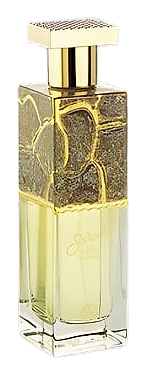
Paolo Gigli introduced four new fragrances in spring 2008 under the G collection, each named for a Mediterranean wind. Scirocco, the southeastern sirocco wind, sweeps in from the hot Sahara carrying sand-heat and dust across the sea to Italy. That same duality, the scorching source, the cool arrival, became the fragrance's skeleton. Where it comes from, and where it ends up, are two completely different scents. Bergamot and jasmine met patchouli, and the composition held its contradictions, mineral heat giving way to green florals, then a long drydown that never fully loses its earth. A wind that starts brutal and ends beautiful, if you stay long enough to feel the change.
The structure is what makes Scirocco work against expectations. Most fragrances build toward complexity, you start simple, layer in nuance, end somewhere richer. Scirocco inverts this. The patchouli arrives full force, unfiltered, the kind of dark earthiness that can read aggressive on first spray. But the heart, cardamom, ginger, iris, doesn't wait politely. It pushes through. The contrast between that dense opening and the bright, almost powdery mid-section is the fragrance's actual argument: heat is temporary, but the memory of it lingers. The base does the quietest work. Cedar, vetiver, white moss, nothing shouts here. They simply stay, intimate and close, for hours after the florals have faded.
The evolution
Patchouli announces itself first. Not the clean, rounded patchouli of modern perfumery, this one reads mineral, almost smoky, like hot sand. Bergamot shows up underneath, but quieter than expected. For the first twenty minutes, Scirocco feels like standing in a dry riverbed in late August. Then the florals arrive. Jasmine, lilac, and the unexpected cool of iris work sideways through the patchouli, softening its edges without replacing them. By the second hour, the fragrance has completed its inversion, what opened dark and masculine now reads green, almost powdery, with ginger and cardamom giving clean heat underneath. The drydown belongs to cedar and vetiver. Neither shouts. Both last. White moss adds texture without sweetness, and on fabric the fragrance can still be detected the next morning, faint, dry, warm.
Cultural impact
Scirocco occupies a specific niche, those who want patchouli's depth without sweetness, and who appreciate a scent that earns its drydown. It's the kind of fragrance collectors seek out when they've grown past the obvious choices. The composition balances mineral heat with green florals, patchouli lending its characteristic earthiness without any accompanying sweetness. Those drawn to this scent value its complexity, the way it refuses to announce itself yet holds attention once you engage with it fully.