
The Story
Why it exists.
The beginning
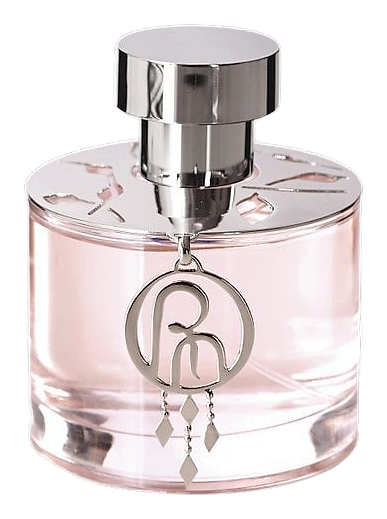
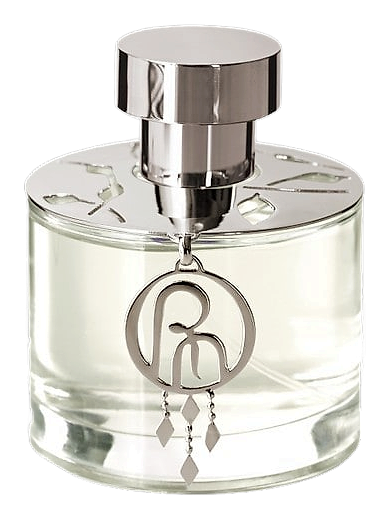
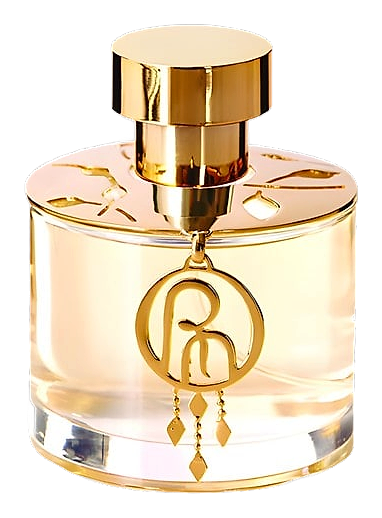
Maya arrived in 2015, composed by Amandine Clerc-Marie, and built entirely around a single idea: contrast. Bright citrus and green herbal notes are set against rose, resinous labdanum, and a woody base, creating a composition that moves between freshness and weight without ever settling fully into one or the other. The opening feels clean, almost tailored, while the base pulls toward something warmer and more tactile. That tension, lightness pressed up against depth, is the architecture of the scent, and it does not require explanation. The materials speak clearly on their own. There is a deliberate, almost cinematic restraint to the way Clerc-Marie structured this: nothing is overworked, nothing is allowed to shout, and every accord is given room to land.
What makes Maya worth a closer look is the collision inside its structure. Lemon, geranium, and artemisia bring light, green edges, and an herbal snap. Rose and saffron add warmth and spice without making the floral heart feel polite. Then labdanum steps forward, resinous and close to skin, before oud, guaiac wood, and patchouli turn the whole composition darker. It's a familiar rose with its sleeves rolled up.
The evolution
At first, Maya reads clean and almost brisk. Lemon lifts the opening with a sharp, almost sparkling clarity, geranium gives it a green, tailored edge that feels pressed and precise, and artemisia adds a cool herbal hush, like mint filtered through dry leaves. The heart arrives with rose and saffron, making the composition warmer and more tactile; the saffron brings a slightly leathery, almost earthy warmth, while the rose rounds it with familiar softness. Labdanum steps in to give that warmth a resinous shadow, anchoring the florals with something darker and more grounded. On skin, the bright materials gradually recede while the woods and patchouli become more present, taking over the composition with quiet authority. The drydown is where the character lands: smoky, earthy, and close, with rose still lingering like a trace of color on canvas.
Cultural impact
Maya occupies a particular space in contemporary perfumery because of how it handles its contrasts. The composition balances rose's familiar softness with woods, resin, and spice, placing it between polished portraiture and something quieter, less ornamental. That tension, between the recognizable comfort of rose and the darker, more grounded materials beneath it, gives the fragrance a wider interpretive range than its structure might suggest. The wearer brings their own reading to it, whether that means emphasizing the opening's clean precision or the drydown's smoky depth.
The House
ORNORN belongs to the Juliette Has A Gun fragrance house, founded in Paris in 2006 by Romano Ricci. The brand pairs contemporary perfumery with a cinematic, rebellious image drawn from Shakespeare’s Juliet and the character’s association with a weapon. Its fragrances are conceived as expressive impressions of people, moods, and moments rather than as uniform representations of a single archetype. ORN first appeared in the house’s 2015 collection, alongside Maya, Groom, Wan, Adorn, and Bride. The name carries associations with decoration, jewelry, and the visual richness of an object, while the fragrance itself is documented as combining carnation with patchouli, lavender, rose, and spices. Its imagery links the scent to a richly ornamented masculine figure, giving ORN a distinct identity within the Juliette Has A Gun catalogue.
The Creator
Amandine Clerc-MarieWhile it's difficult to pin down a single, defining characteristic across her entire body of work, a certain smoothness and refinement seem to be consistent themes. She appears to favor well-blended compositions, where individual notes harmonize to create a cohesive whole.