
Heritage
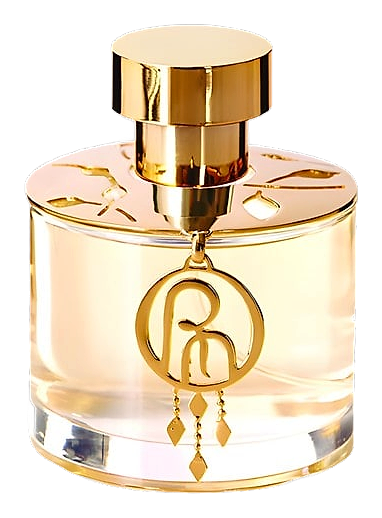
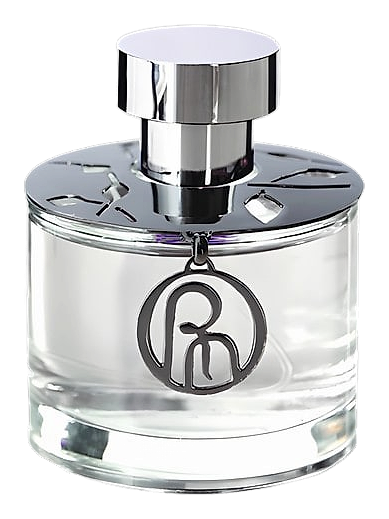
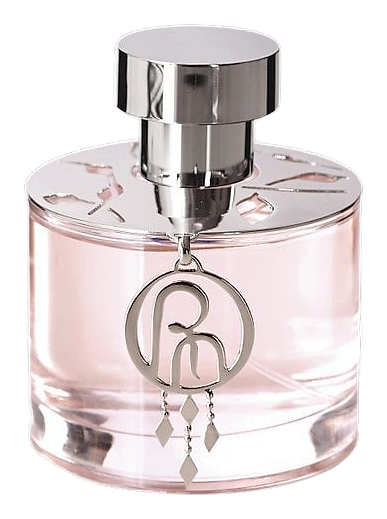
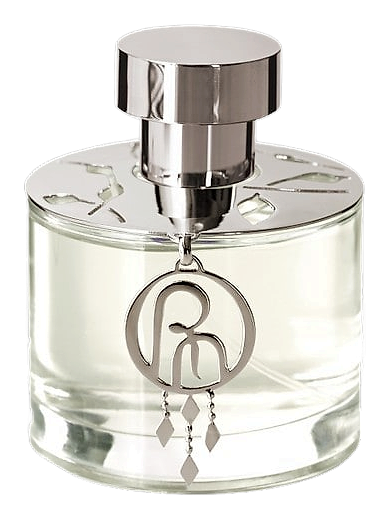
A house, in its own words
Juliette Has A Gun was founded in 2006 by Romano Ricci, the great-grandson of Nina Ricci and grandson of Robert Ricci. This family connection places the house within a broader Ricci perfumery lineage, while its own visual language breaks with the softer expectations often attached to that inheritance. The name is drawn from Shakespeare’s Romeo and Juliet. The brand presents its heroine as a figure from the play reimagined in the present day, equipped with a gun and treated as though scent itself were her weapon. The pistol is a recurring design device rather than evidence of a literal product story, appearing across the house’s bottle designs. Juliette Has A Gun later expanded its concept from this central literary figure into a wider group of personal characters, each represented by a fragrance. ORN joined that group in 2015, the same year as Maya, Groom, Wan, Adorn, and Bride. These releases show how the house moved from a single, forceful identity into an ensemble of personas defined by contrasting names, relationships, and visual codes. The result is a family resemblance built around character rather than a conventional fragrance category. ORN occupies the jewel-like, ornamented end of that lineup, presenting a masculine face through floral, spicy, aromatic, and patchouli notes. Its place in the 2015 group also gives it the transitional character of an early expanded catalogue release. Although later additions have changed the size and direction of the house’s range, ORN remains tied to this original wave of character fragrances and to the founding idea of turning scent into a theatrical encounter with a person rather than an abstract ideal. Juliette Has A Gun treats perfume as a form of character portraiture. The original literary premise gives the house a sharply defined world, but the fragrances extend that world into individual personas whose relationships to femininity, masculinity, seduction, and rebellion differ from one another. ORN embodies this approach through a deliberately composed contrast. Carnation supplies a dense floral center, lavender introduces a cool aromatic edge, rose brings a recognizable heart of petals, and patchouli gives the composition warmth and texture. Pepper and cardamom sit around that structure as vivid spice accents, while amber adds a dry, golden depth and musk softens the final impression. Nothing about that structure is hidden behind a restrained minimalist idea of elegance. Instead, the fragrance allows several recognizable conventions, including floral masculinity and the sensual potential of jewelry-like ornament, to exist together. The brand’s creative method begins with an identity, then builds sensory associations around it. Character is communicated not only through the notes but also through naming, bottle design, and presentation. ORN’s raised, jewel-like decoration reinforces this sense of an adorned male character, while the contrasting materials in the composition prevent the idea from becoming merely decorative. The philosophy is therefore theatrical without becoming remote. It speaks through recognizable materials and cultural images, yet it leaves enough ambiguity for the wearer to interpret the character personally. ORN can read as intimate, ceremonial, or provocative depending on the wearer and context, which reflects the house’s broader commitment to perfume as an encounter between a fictional persona and the person who wears it.