The Story
Why it exists.
The beginning
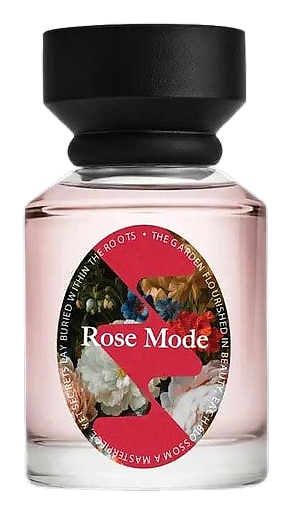
Rose Mode launched in 2026 as part of Oriflame's Top Scents collection, composed by Julie Noé. The brief was pointed: take the most familiar flower in perfumery and give it somewhere new to go. Rose Mode is the rose in that lineup, a deliberate remix of the icon. The brand calls it delicate and provocative, which is the right tension to aim for when the world already thinks it knows what a rose smells like. The composition takes the rose and treats it like a starting point rather than a destination. Instead of building another soliflore or stacking the usual peony-and-jasmine scaffolding around it, the perfumer routes the rose through a powdery iris corridor and brightens the entry with osmanthus, green plum, and mandarin. The result is a floral that knows what it is.
The interesting structural choice is the ratio work between osmanthus, plum, and mandarin at the top. Osmanthus brings that apricot-honey warmth, green plum keeps the fruit from going syrupy, and mandarin adds a clean citrus edge that keeps the brightness honest. Then the heart stacks wild rose, tea rose, Petalia, violet, and iris. The rose pair does the obvious work, but it's the violet and iris that drag the whole thing into a powdery, almost-cosmetic territory that feels modern.
The evolution
The first ten minutes are almost misleading. Mandarin and green plum hit bright, almost like a fruit salad with ambitions. Then osmanthus unspools its apricot-honey thing, and the rose starts gathering underneath like it's been waiting its turn. By the thirty-minute mark the heart is fully present: wild rose and tea rose dominate, but the violet and iris have already started threading that powdery softness through everything. This is where the fragrance commits. It doesn't get louder, it gets more specific. The Petalia in the heart adds a cool, slightly watery facet that keeps the rose from overheating, and the whole composition settles into a focused, skin-hugging quality that feels intentional rather than accidental. Around the two-hour mark the base takes over, and it's softer than you'd expect. Sandalwood and leather show up, but neither performs.
Cultural impact
Rose Mode wears like a modern everyday floral, the kind of rose that doesn't ask for a special occasion but handles one if it shows up. It moves easily from a morning commute into an evening dinner without needing a re-spray or a wardrobe change, which is more than most rose compositions can manage. Wearers tend to describe it as a clean, musky rose with a powdery iris undertow, something that feels close to skin rather than projecting across a room.