
The Story
Why it exists.
The beginning
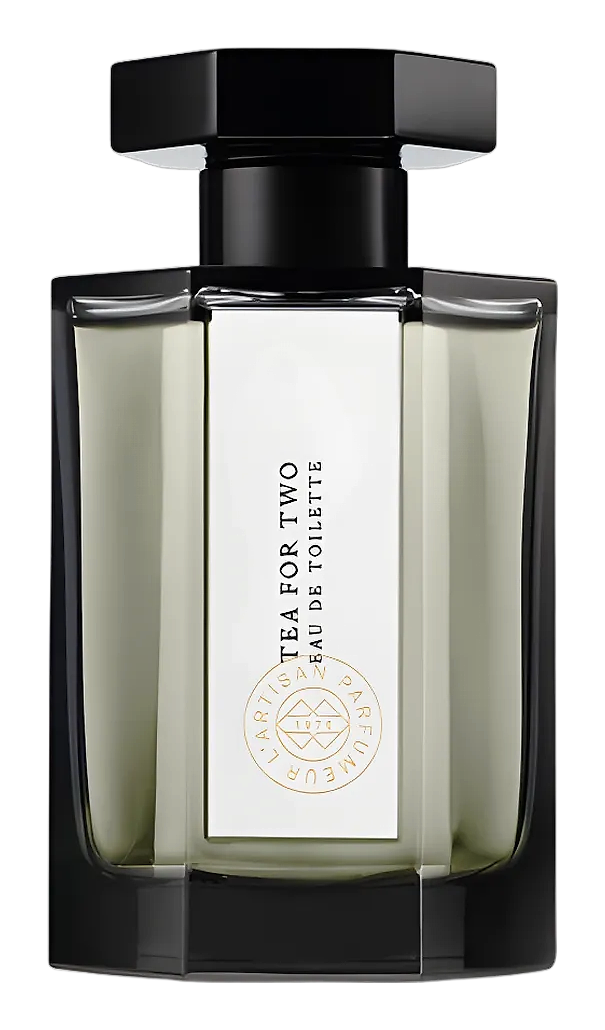
Sri Lanka takes its name from the island nation off India's southern tip, the place where Ceylon tea grows in mountain estates. Nicola Bianchi composed the fragrance, building a narrative around this particular island and what it smells like to someone who knows it. The answer begins with ginger, a root that actually grows there, and ends with tea that absolutely should. Ginger here isn't a generic spice; it carries the island's sun-warmed earth, the humidity of coastal winds, the brightness of a root pulled fresh from the ground. The tea that follows is dry, slightly bitter, unmistakably fermented. It doesn't arrive as a secondary note or an afterthought. It arrives as the point.
The choice of red Ceylon tea as the heart is the real statement. Most Western tea fragrances reach for bergamot, a citrus, not a tea at all, or green tea, which reads as vegetative and generic. Red tea is different. It's fermented, slightly bitter, almost medicinal in its clarity. It carries the character of a place, not a flavor note. That's the difference between a fragrance named after a destination and one that actually evokes it. Supporting notes, bergamot, ginger, pink pepper, star anise, vetiver, cedar, sandalwood, musk, tonka bean, amber, vanilla, build warmth and softness around that tea, but none of them try to replace it.
The evolution
The opening arrives crisp and bright. Calabrian bergamot and Sicilian orange lift the ginger immediately, but there's a clean spice underneath, pink pepper, then star anise, that arrives without apology. The citrus fades faster than expected. Within ten minutes, the star anise has taken hold and the bergamot has quietly left the building. The transition isn't dramatic. It's just different. At fifteen minutes, the Ceylon tea finally arrives. It's dry. Slightly bitter. Not green, not herbal, the fermented, reddish character that makes it unmistakable. The spice softens around it, becoming background warmth rather than foreground. Cedar and vetiver add an earthy quality that supports the tea's slight bitterness rather than fighting it. The red tea holds for roughly two hours, a long heart, patient, before the base notes begin their slow emergence.
Cultural impact
Sri Lanka's global reputation as a premier tea producer gives this fragrance immediate cultural resonance. Ceylon tea became synonymous with the island nation's identity. This fragrance captures that heritage by using authentic red Ceylon tea as its defining heart note. The perfumer's deliberate choice of fermented, slightly bitter red tea rather than green tea reflects a nuanced understanding of the island's distinctive tea character. Tea lovers will recognize this immediately: the depth, the slight astringency, the fermented quality that sets Ceylon apart from more familiar tea accords.