Red Tea
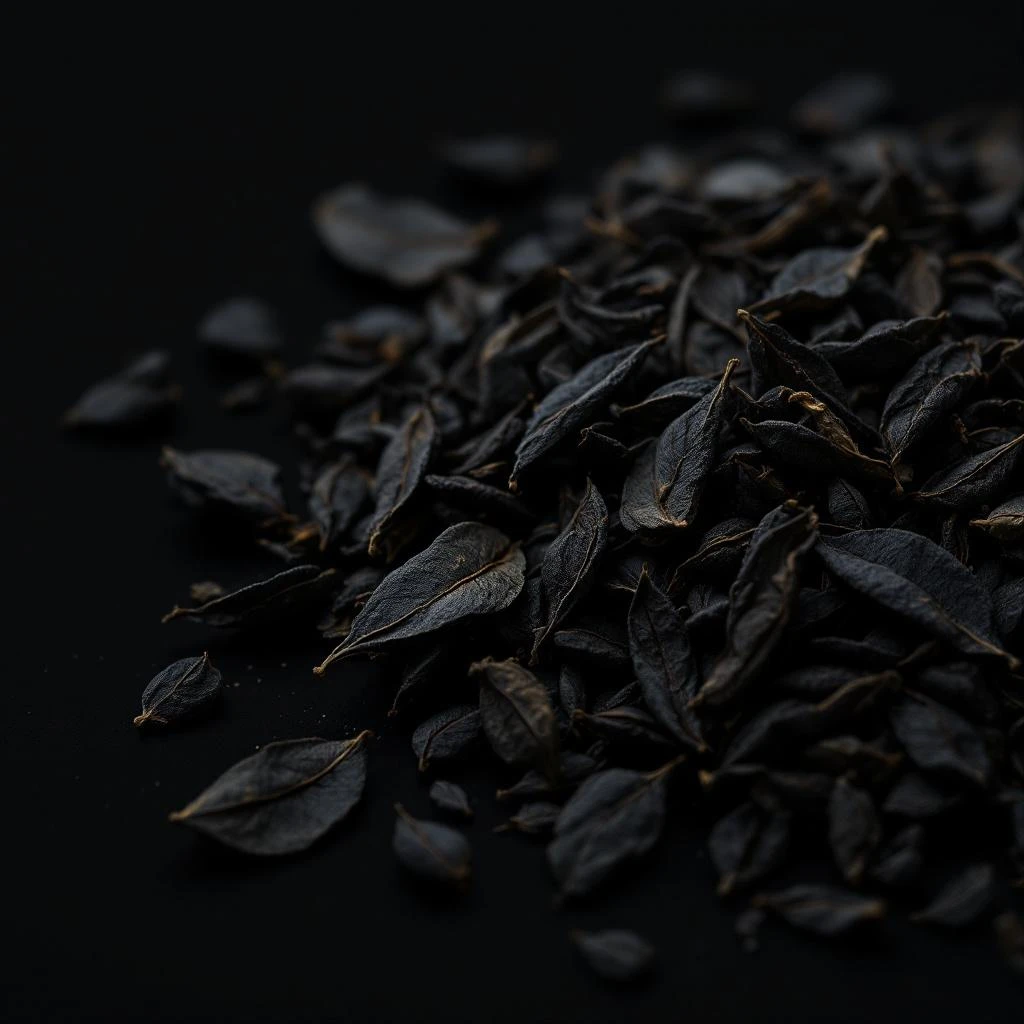
Red Tea (Rooibos) delivers a warm, honeyed, slightly herbal scent that recalls sun-dried hay and sweet wood. A rare perfumery ingredient from South Africa, it adds a soft, comforting quality to base compositions. Discover its origins, extraction, and the fragrances that showcase this unique note.

Character
How it smells
Africa's honeyed tea note, sun-dried and singular.
Rooibos is not a true tea — it is a legume native exclusively to South Africa's Cedarberg mountains, making it one of the most geographically constrained fragrance ingredients in use.







Origin
South Africa
Red Tea carries a relatively recent story in perfumery, but its roots in Southern Africa run far deeper. Indigenous Khoisan peoples of the Cedarberg region used rooibos for centuries as both a beverage and a medicinal remedy — the plant was believed to calm nervous tension and ease skin conditions.
European colonists adopted the drink throughout the 18th and 19th centuries, but rooibos remained primarily a folk remedy and regional curiosity outside South Africa until the early 20th century. In 1904, a Russian-born herbalist named Benjamin Ginsberg recognized the commercial potential of rooibos and began promoting it more broadly, eventually establishing a supply chain that brought the plant to national and international markets.
Fragrance chemists only began exploring rooibos as a perfumery material in the late 20th century, when niche perfumers sought unusual ingredients that could convey warmth and natural authenticity without the sharpness of traditional tea accords. Today, rooibos cultivation supports a network of small-scale farmers in the Clanwilliam and Citrusdal districts, and sustainable farming practices have become central to the ingredient's production — a notable shift toward ethical sourcing in a space where many natural materials still face traceability challenges.
Wears it best
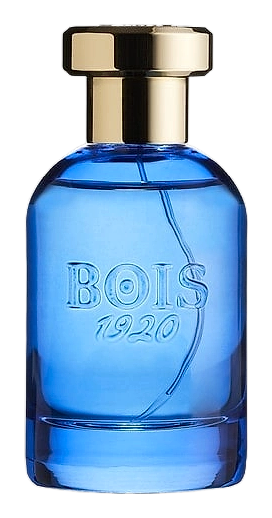
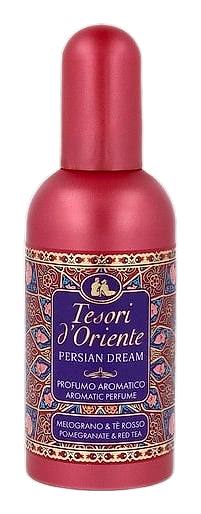
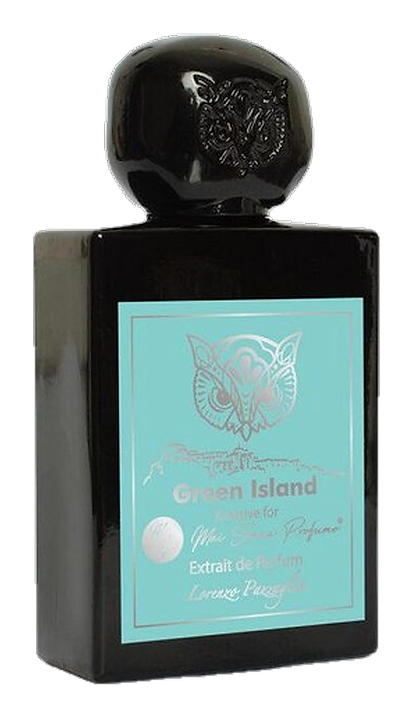
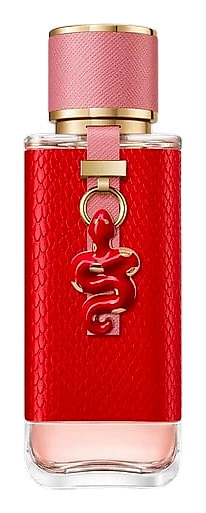
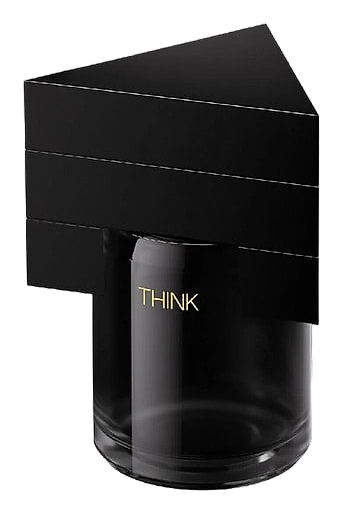
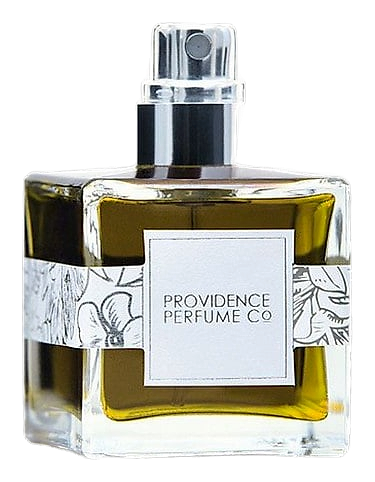
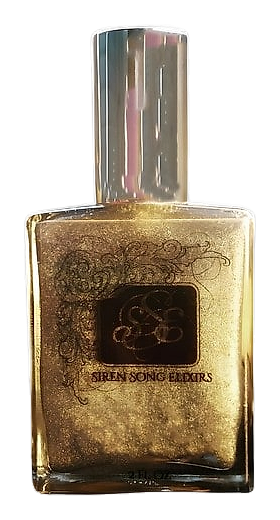
Fragrances featuring Red Tea

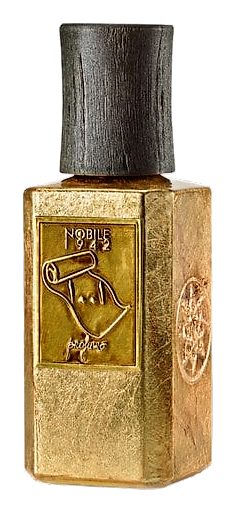
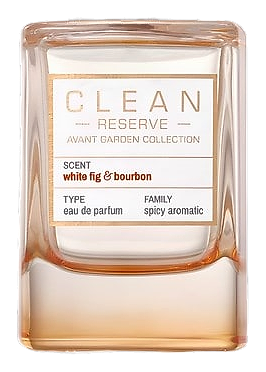
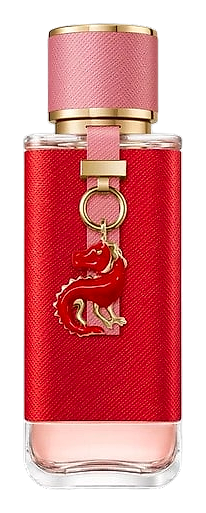
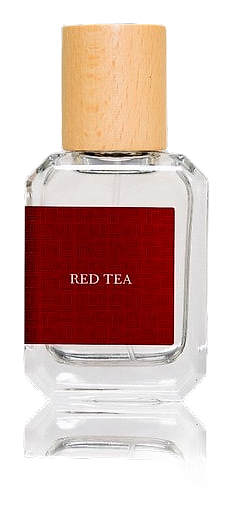
Brands
Brands known for Red Tea
Good to know
Questions, answered
The essentials on Red Tea in perfumery: how it smells, where it comes from, and how it behaves on skin.
What does Red Tea smell like in a fragrance?
Red Tea absolute has a warm, honeyed, and slightly herbal character with dry hay and soft wood facets. It works as a comforting base note that adds body and sweetness to woody or amber compositions.
Is Red Tea a true tea ingredient?
No. Unlike green or black tea, rooibos is a legume (Aspalathus linearis) and contains no caffeine. In perfumery, it contributes a distinct, sweeter, less astringent aroma than Camellia sinensis derivatives.
Why is Red Tea rare in perfumery?
Rooibos grows only in South Africa's Cedarberg region, making it one of the most geographically constrained natural fragrance ingredients. Extraction yields are modest, and the CO2 process required for the best material adds cost and complexity.
How is Red Tea absolute produced?
After harvesting and oxidizing, the dried plant material undergoes CO2 supercritical extraction. This method pulls a broader range of aromatic molecules than steam distillation, preserving the honeyed and hay-like qualities that define the extract.
What type of fragrance compositions use Red Tea?
Niche and artisan perfumers use Red Tea primarily in warm, woody, amber, and oriental fragrances where it adds depth, sweetness, and a natural, handcrafted quality to the base.
Can Red Tea be synthetically replicated?
Some of its sweet, hay-like molecules can be reproduced synthetically, but the full complexity — the honeyed warmth, the soft herbal lift — is difficult to match without natural extraction.
What sustainability issues affect Red Tea sourcing?
Increased global demand for rooibos has led to overharvesting of wild populations in the Cedarberg. Certified sustainable farming programs now exist, and traceability has improved, but buyers should verify certifications.
Does Red Tea add any functional benefits to a fragrance?
Beyond its aromatic character, Red Tea extracts contain antioxidants that can mildly extend the shelf life of a fragrance blend, though this effect is secondary to its olfactory contribution.