Nicola Bianchi
Nicola Bianchi emerged on the niche fragrance scene in the early 2010s, quickly earning a reputation for precision and imagination. He honed his craft at a leading Italian fragrance house, where he absorbed the rigors of raw material selection and the chemistry of scent construction. By 2014 he partnered with Renato Bongiorno to launch MONOM, an independent label that champions minimalist compositions and artisanal sourcing. The collaboration produced a series of scents that attracted collectors and critics alike, positioning Bianchi as a master nose with a distinct voice. Since then he has consulted for several boutique brands, sharing his expertise at industry gatherings such as Pitti Fragrance. His career balances laboratory discipline with an artist’s curiosity, allowing him to translate visual and emotional cues into olfactory form.
The hits
Notable creations
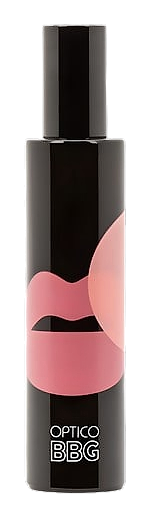
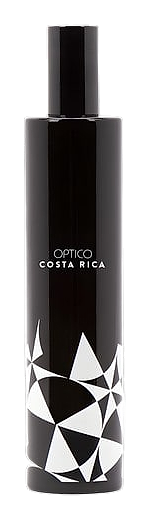
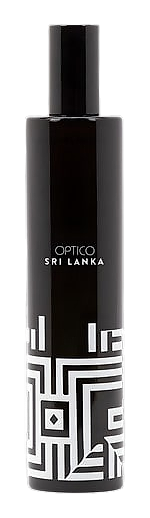

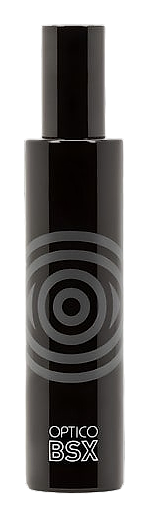

The signature
How Nicola composes
Bianchi favors clean structures built around a single focal ingredient, often a rare botanical or a refined synthetic accord. He layers supporting notes with surgical precision, avoiding clutter. Citrus, white florals, and transparent woods appear frequently, but he is equally comfortable exploring ambergris, labdanum, or niche absolutes when the concept demands depth. His technique includes slow maceration and meticulous blending, ensuring that each component evolves gracefully over time. The result is a scent that feels both intimate and timeless, inviting the wearer to discover new facets with each wear.
Philosophy
What drives Nicola
Bianchi treats perfume as a dialogue between memory and material. He believes a fragrance should capture a moment without overwhelming the wearer, letting the skin become a subtle canvas. His creative spark ignites when a color, texture, or historical reference suggests a scent profile, prompting him to search for ingredients that echo that impression. He values restraint, allowing each note to breathe before the next enters. This measured approach reflects his background in art history, where he learned to read layers of meaning and translate them into sensory experiences.
The houses
Maisons Nicola composes for
In the same league