The Story
Why it exists.
The beginning
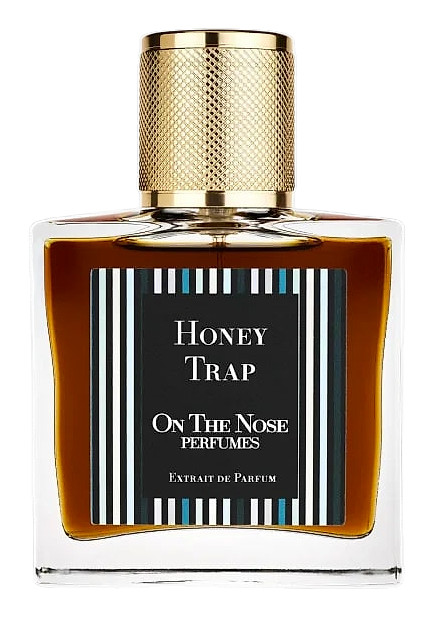
Honey Trap is the work of Gabrielle Durand, a natural perfumer who serves as brand owner and perfume maker for On The Nose Perfumes. Released in 2024, the composition draws its name from the oldest kind of lure: sweetness that draws you closer before you realize what you've wandered into. Durand built it from a honey-forward palette, with beeswax absolute and honeybush CO2 sitting alongside orange blossom, mimosa, and rose absolutes. It's a fragrance that wears its botanical origins openly, with civet adding the animal warmth that keeps all that golden sweetness from drifting off into pure prettiness.
The composition leans into materials that most modern perfumery treats as supporting players. Honeybush CO2 lends a tea-like, almost fermented depth beneath the beeswax, a darker counterpoint to the candied brightness you'd expect from a honey-themed scent. Linden blossom CO2 rounds out the heart with its own green-honeyed facet, folding neatly into the floral conversation already underway. Civet, a natural material with a long history in perfumery, anchors the sweetness with something warm and close to the body, the kind of musk that reads as warmth rather than anything overt or skanky.
The evolution
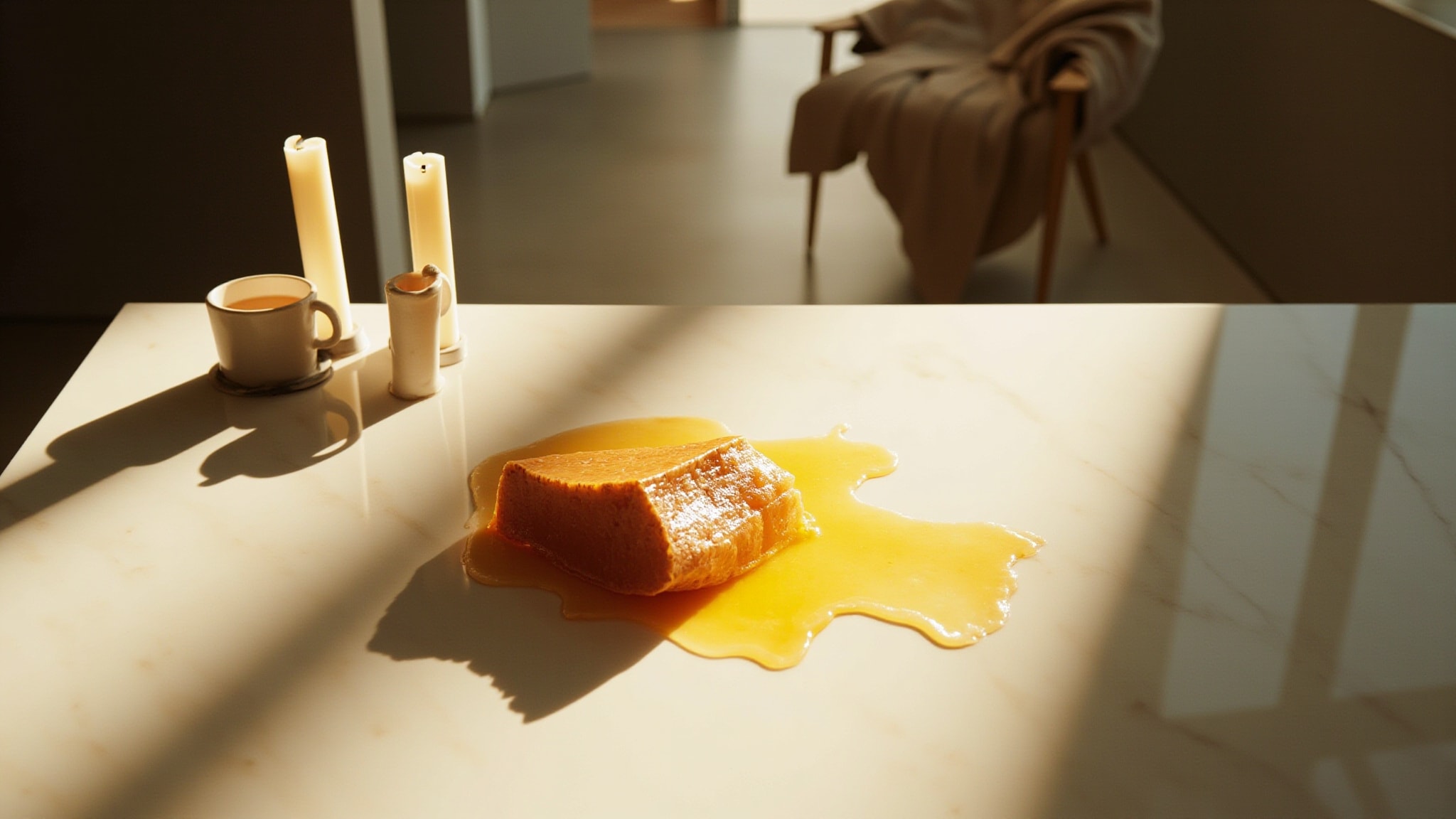
The opening arrives bright and almost edible. Beeswax absolute and orange blossom absolute come forward together, giving the first impression the warmth of candle wax cooling in a sunlit room, with mimosa lending a powdery lift that keeps it from feeling food-like. The honeybush CO2 hums underneath, a darker, almost fermented sweetness that the brighter florals can't quite cover. As the composition settles on skin, the rose absolute and heliotropin step forward, and the scent shifts from golden to something more almond-soft, almost marzipan-adjacent. Heliotropin's vanillic warmth merges with the bourbon vanilla already threading through the base, creating a creamy, slightly confectionary haze that softens every edge. Eventually, the civet does its quiet work.
Cultural impact
Released in 2024, Honey Trap joined a small but growing conversation around beeswax-led naturals and animalic amber structures in independent perfumery. The scent's reliance on beeswax absolute and honeybush CO2 placed it firmly outside the conventions of mainstream honey-themed fragrances, which tend to lean on caramelized sugar accords or synthetic honey bases. By choosing raw naturals and pairing them with civet, Durand positioned Honey Trap closer to older traditions of animalic amber composition, the kind of work that defined perfumery before IFRA restrictions reshaped what mainstream houses could use.