The Story
Why it exists.
The beginning
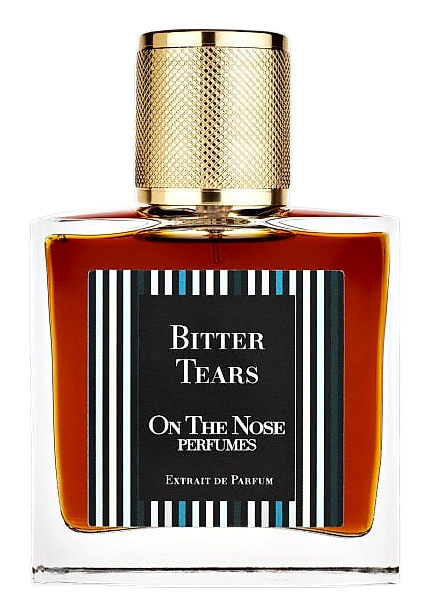
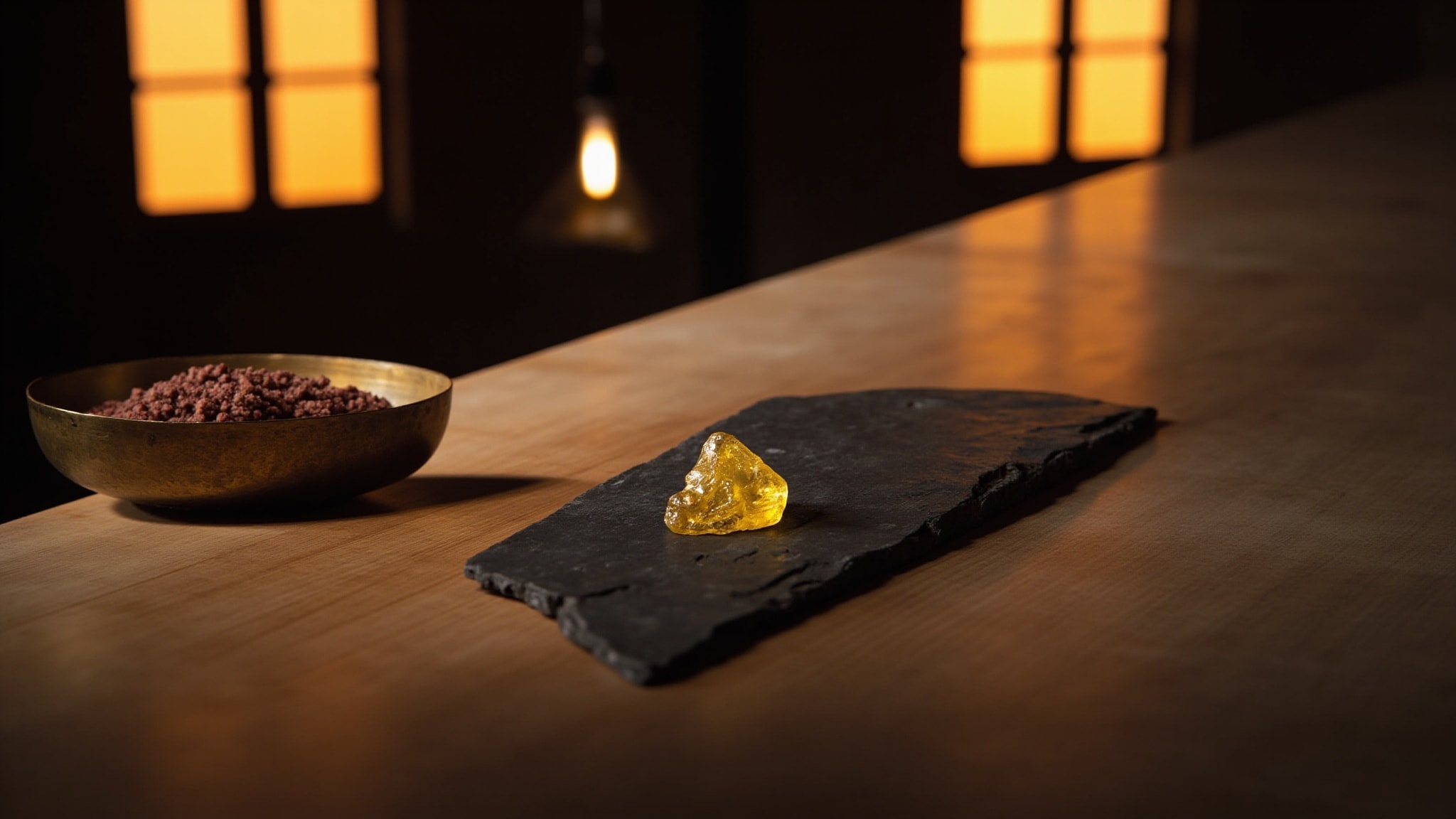
Bitter Tears is a 2024 composition from Gabrielle Durand, the brand owner and perfume maker behind On The Nose Perfumes. Durand works with botanical perfumery, and her compositions make use of absolutes, resins, and spice materials in their natural state. Bitter Tears fits that posture cleanly. The name sets the temperature: something that stings, something earned, something with salt behind it. The brand's official framing centers the composition on myrrh absolute and a dark, resinous frankincense rivae, opening with depth rather than brightness. That opening registers immediately on skin, a medicinal weight that announces itself before any sweetness has a chance to soften the blow.
What's interesting here is the note architecture. Myrrh and frankincense, two of the oldest perfumery materials on earth, lead the composition in a way that demands attention. Bergamot, pink pepper, cassia, star anise, and ginger don't soften the resins, they agitate them. The pepper and anise bring a sharp, almost pharmaceutical clarity to the opening, and the ginger adds a grounded heat that prevents the spices from floating away into pure sweetness.
The evolution
The opening doesn't ease you in. Myrrh and frankincense arrive together, dark and medicinal, then the spice stack ignites. Pink pepper crackles across the surface, star anise lends its sharp licorice edge, ginger warms underneath, and the whole top accord reads like something lit with a match rather than gently placed on skin. Bergamot is there but it's doing structural work, not stealing focus, offering just enough brightness to keep the resins from going flat and funereal. As the composition develops, the spices settle into something rounder, and the heart begins to surface. Rose and linden blossom soften the resinous backbone while chocolate and caramel start their slow creep upward. This is where Bitter Tears stops being devotional and becomes something more human, almost edible, a church candle that drifted into a kitchen.
Cultural impact
Bitter Tears occupies an unusual position in the current fragrance landscape because it refuses to sand down its rougher edges. The composition leads with myrrh absolute and frankincense rivae, materials that carry real bitterness and real weight, and the brand names them plainly on the label rather than hiding them behind softer marketing language. Wearers who gravitate to this kind of composition tend to appreciate when a fragrance tells you what it actually contains, and Bitter Tears does exactly that. The gourmand-resin collision is genuinely polarizing, and that polarity seems intentional.