
The Story
Why it exists.
The beginning
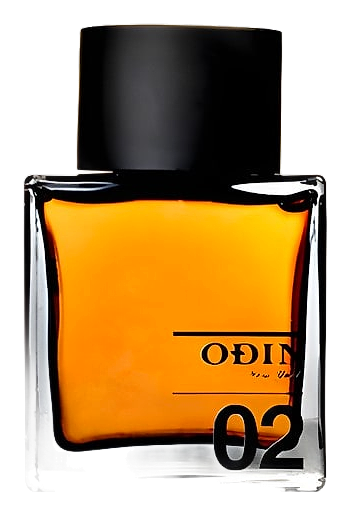
Owari is a province in central Japan. The Owari mandarin, tender-skinned, intensely aromatic, carries a bright, juicy sweetness with just enough acidity to keep it from feeling flat. The fruit itself has a delicate nature, its skin bruises easily, and its scent fades quickly once picked. This quality makes it both precious and ephemeral. The fragrance captures this immediacy, translating the mandarin's fresh, zesty character into something that can be worn and carried. The scent opens with that unmistakable citrus brightness, clean and immediate, before settling into something more considered. The mandarin isn't a metaphor here. It's the destination.
What makes 02 Owari unusual is how it handles citrus without collapsing into it. The citrus lifts and then hands off to something more considered. Cubeb adds a peppery, almost medicinal coolness to the heart that gives the fragrance unexpected depth. Amyris brings a soft, waxy warmth that bridges the brightness of the opening into the woodiness of the base without ever losing transparency. The drydown reveals cedar arriving last and staying longest, clean and close rather than heavy. Tonkin musk wraps around it like a second skin, warm and intimate.
The evolution
The first minutes are all clarity. Mandarin and bergamot arrive together, not sharp, not sweet, just precise. Grapefruit leaf adds a green, almost herbal edge that prevents the citrus from reading as food. Thirty minutes in, the Cubeb appears. It doesn't announce itself, it quietly reframes the brightness, adding depth without weight. The neroli floats above, a faint floral note that most wearers might not consciously register but which prevents the whole thing from going flat. By the second hour, cedar and amber take over. The Tonkin musk stays close to skin, warming without sweetening. On fabric, the drydown outlasts skin by a few hours, that clean, slightly woody presence lingers in the fibers of a shirt or scarf. This is a daytime fragrance by design. It doesn't ask for evening.
Cultural impact
02 Owari arrived in a fragrance landscape where niche perfumery was gaining momentum and seeking its own voice. The 2009 release came at a time when minimalist aesthetics had already made their mark across design disciplines. Odin's approach positioned fragrance as an extension of lifestyle branding, connecting scent to broader cultural currents. The fragrance's transparent citrus-woody structure reflected an interest in understated presence over dramatic projection. Its Japanese mandarin reference situated it within a broader fascination with Japanese craft and simplicity that was developing in Western design circles.