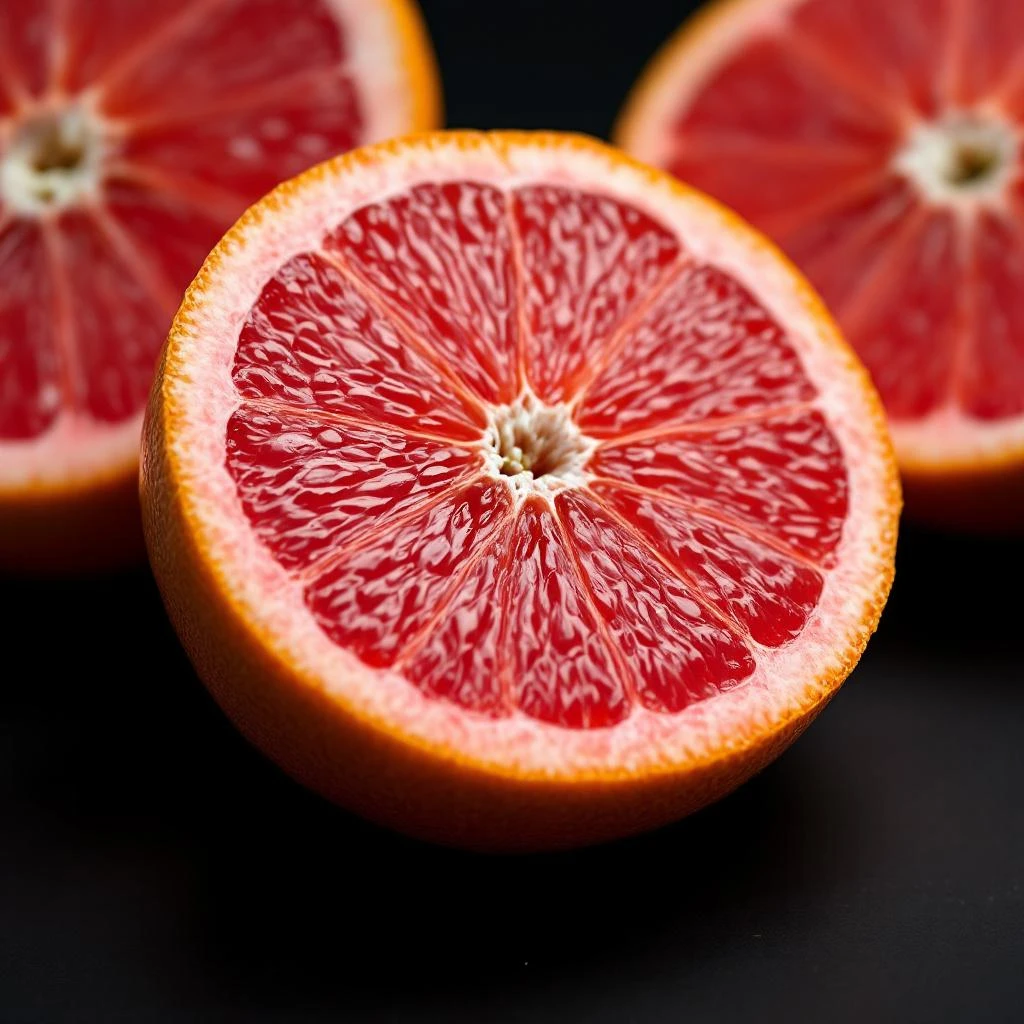
Grapefruit Leaf
Grapefruit leaf delivers a crisp, verdant citrus spark that brightens compositions with a fresh, herbaceous edge, offering perfumers a natural lift that feels both clean and invigorating.
Character
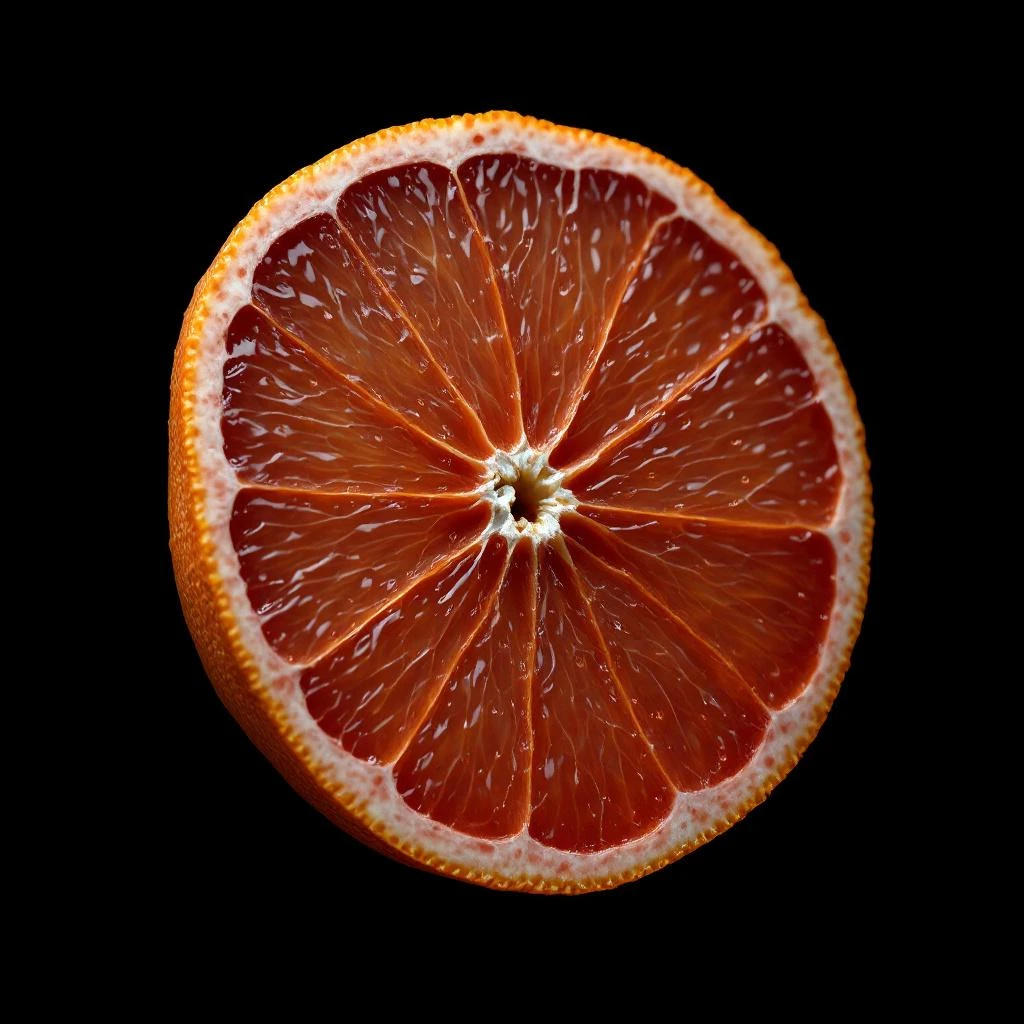
How it smells
Bright green citrus captured from the leaf.
Grapefruit leaf oil holds roughly 70% limonene, a higher concentration than the fruit zest, which gives it a sharper, more verdant aroma prized for sharpening bright accords.








Origin
United States
Citrus leaves have flavored traditional medicines for centuries, but their aromatic potential entered Western perfumery in the early 20th century. In 1933 Florida produced its first commercial batch of grapefruit leaf oil, marking the first large‑scale use of the leaf beyond culinary applications.
The oil quickly attracted French perfumers seeking a greener citrus note that differed from bergamot and orange peel. By the 1960s, iconic colognes incorporated grapefruit leaf to add a fresh, herbaceous lift.
The rise of natural‑focused fragrance houses in the 2000s revived interest, and modern formulators now blend the leaf oil with synthetic citrus accords to balance stability and scent intensity. Today, grapefruit leaf remains a niche but essential ingredient for bright, clean compositions.
Wears it best
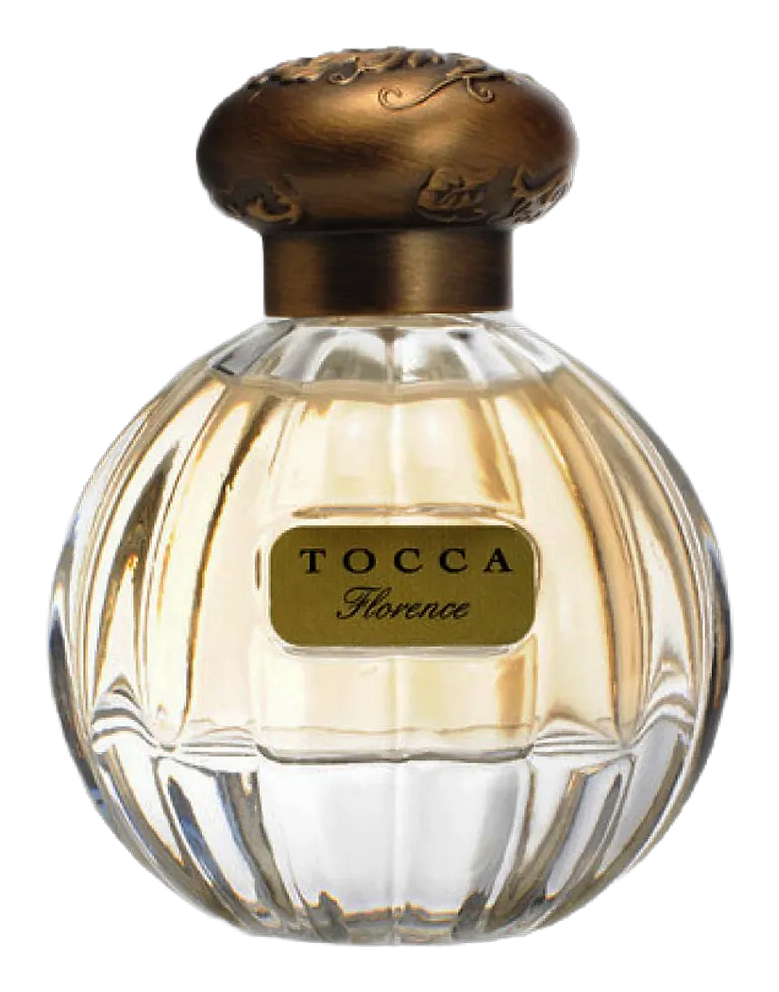
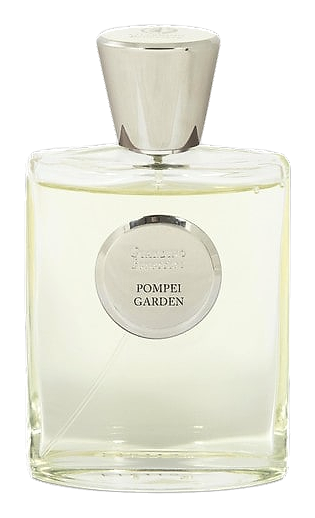
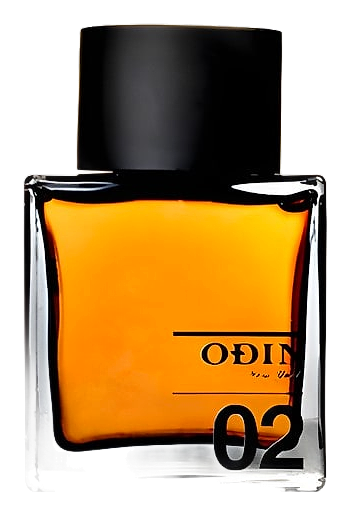
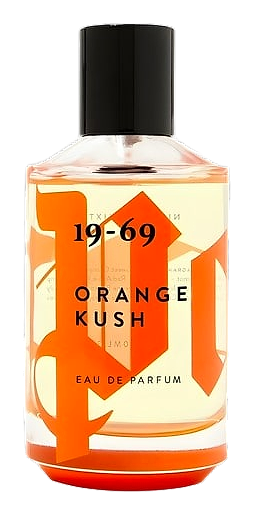
Fragrances featuring Grapefruit Leaf


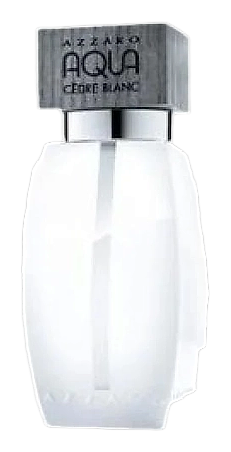
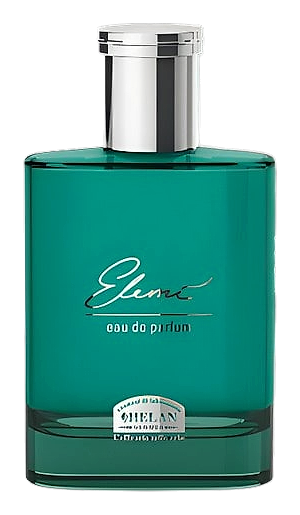
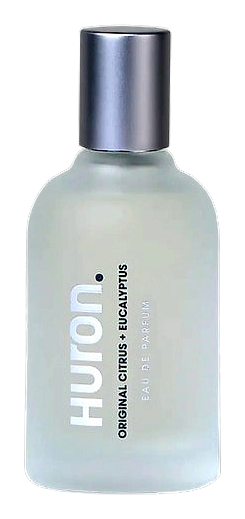
Brands
Brands known for Grapefruit Leaf
Good to know
Questions, answered
The essentials on Grapefruit Leaf in perfumery: how it smells, where it comes from, and how it behaves on skin.
What scent profile does grapefruit leaf provide?
It adds a bright, green citrus note with a herbaceous edge. The oil contains about 70% limonene, which drives the sharp citrus character.
How does grapefruit leaf differ from grapefruit zest in perfumery?
The leaf offers a greener, more verdant aroma than the sweet, tangy zest. Analytical data shows the leaf oil holds a higher limonene ratio, giving it a sharper profile.
Is grapefruit leaf oil safe for skin contact?
Yes, it meets IFRA safety standards for topical use at typical concentrations. A 2021 safety assessment lists a maximum use level of 0.5% in leave‑on products.
Can grapefruit leaf be blended with synthetic citrus notes?
Absolutely, it blends well with synthetic limonene and citral to enhance freshness. A 2019 formulation trial showed a 20% increase in perceived brightness when paired.
What is the typical yield of oil from grapefruit leaves?
Yield averages 0.4 ml of oil per kilogram of fresh leaves. A 2020 distillation study recorded 0.38 ml/kg under standard steam conditions.
Does grapefruit leaf oil retain its aroma over time?
It remains stable when stored in dark glass at cool temperatures. Shelf‑life testing in 2022 showed less than 5% loss of limonene after 18 months.
Which perfume families most often feature grapefruit leaf?
Citrus, aromatic‑aquatic, and fresh‑green families use it to add lift. Market data from 2021 indicates 12% of new citrus releases listed grapefruit leaf as a top note.
Is grapefruit leaf oil compatible with natural cosmetics?
Yes, it complies with organic certification when derived from pesticide‑free farms. A 2023 audit confirmed its eligibility for COSMOS‑Natural certification.