
The Story
Why it exists.
The beginning
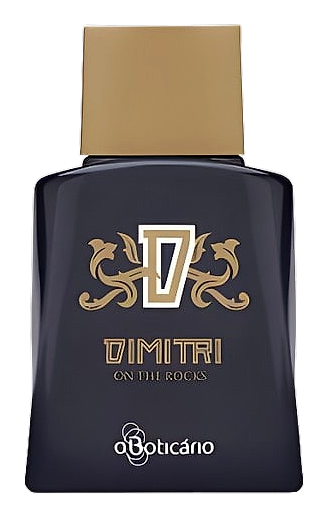
Dimitri On the Rocks arrived in 2012 as a limited expression from O Boticário, the Brazilian fragrance house. The name carries its intent plainly: ice, spirit, the ritual of the bar counter. What the fragrance asks is whether that world, the clink of glass, the bitter-fresh opening of a gin, the warmth underneath, can translate to skin without becoming costume or cliché. O Boticário answered with botanical confidence rather than cocktail novelty.
The unusual heart of gin and vodka isn't decorative. It's structural. These notes bring a specific quality, a sharp, almost mineral clarity, that most fragrances chase with citrus or aquatic accords and miss entirely. Here, they're anchored by leather and bourbon geranium, which add the warmth that spirits alone can't carry. The result is a fragrance that smells like the idea of drinking rather than the act, sophistication without intoxication. Five base materials, including vetiver and sandalwood, ensure the drydown earns its longevity rather than simply lasting.
The evolution
It opens bright and almost astringent. Bergamot, cardamom, and bamboo leaf arrive in quick succession, cold, clean, like the first sip of something just poured. Lavender weaves in with a brief softness that keeps it from becoming clinical. Within twenty minutes the gin and leather assert themselves, shifting the register from bar counter to leather booth. The vodka note is quieter but present, lending a subtle warmth that stops the composition from going fully sharp. By hour two, the bourbon geranium and orange blossom emerge, floral but never feminine, grounded by patchouli and vetiver. The drydown is where this fragrance earns its name: vetiver and oakmoss give it a mineral, almost smoky finish that lingers close to the skin for several more hours. On fabric, the sandalwood persists into the next day.
Cultural impact
Dimitri On the Rocks occupies an unusual space in the fragrance landscape. The cocktail note is uncommon in mainstream masculine fragrance, and the 2012 launch predates the current wave of niche spirit-inspired releases. Limited by design and now discontinued, it developed a small following among collectors who value its mix of bar-counter novelty and genuine olfactory craft.