Gin fizz
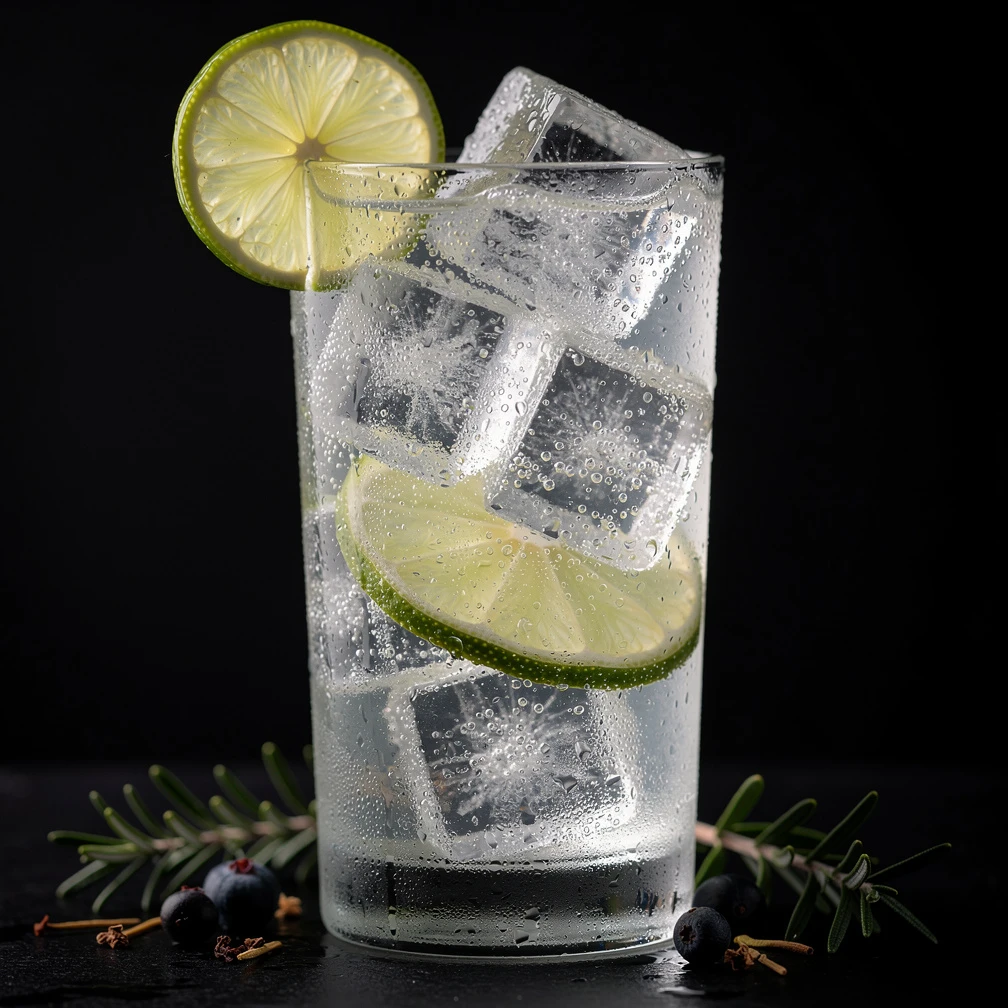
Gin Fizz captures the bright, effervescent character of the classic cocktail. In perfumery, it blends juniper berry's coniferous freshness with sparkling citrus and a subtle botanical backbone, creating an aromatic, crisp quality that lifts compositions.
Character
How it smells
Sparkling botanicals meet citrus effervescence in an aromatic tribute to the classic cocktail
The gin fizz cocktail became a New Orleans hometown specialty, with bartenders competing to make the most foamy version during the early 1900s.






Origin
Netherlands
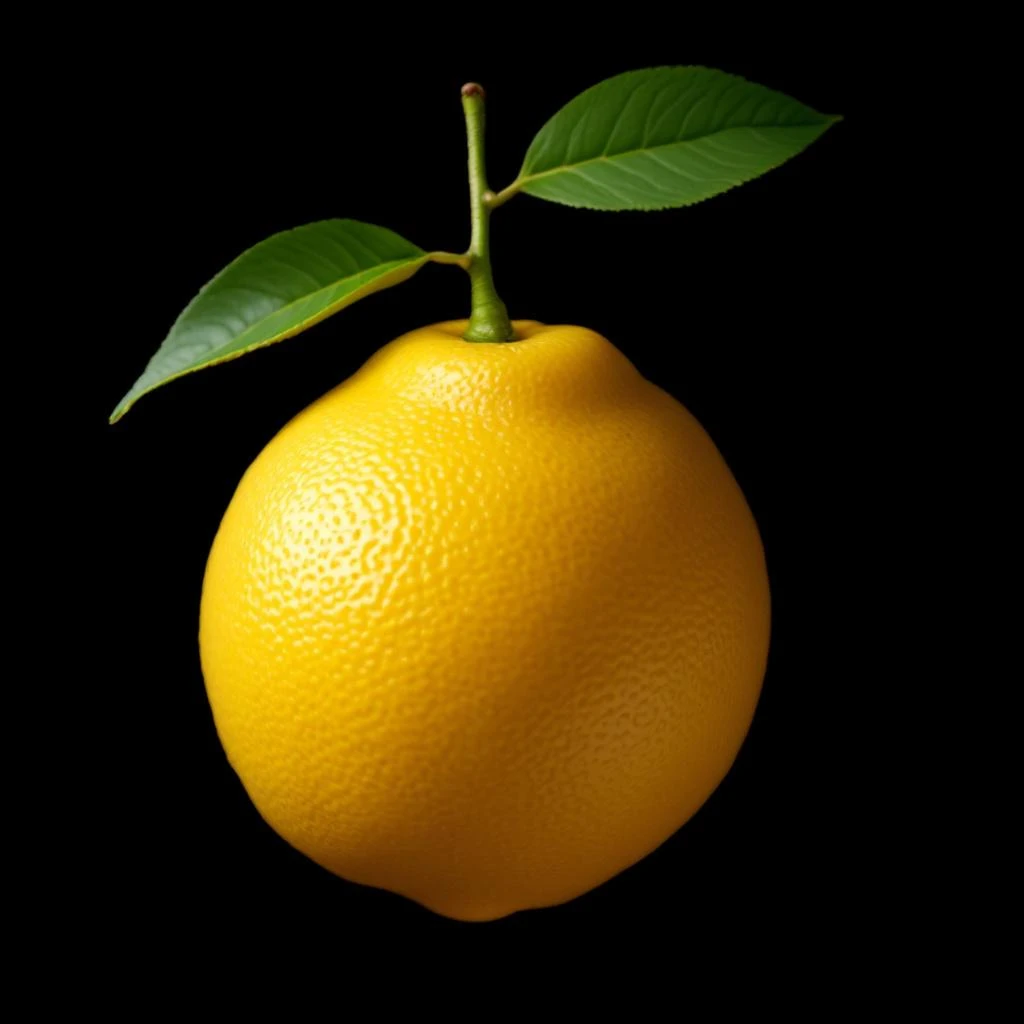
The Gin Fizz note traces its lineage to the Dutch spirit known as jenever, first distilled in the Spanish Netherlands at the close of the 17th century. English distillers later appropriated and transformed this juniper-forward spirit into what we now recognize as gin. The cocktail itself emerged as a distinctly American creation, gaining particular prominence in New Orleans where bartenders refined it into a local specialty.
The classic Ramos Gin Fizz, developed in the late 19th century, exemplified the cocktail's signature blend of gin, citrus, sugar, and soda water. When French perfume house Lubin introduced their Gin Fizz fragrance in 1955, created by perfumer Henri Giboulet, they translated this beloved beverage's refreshing character into an aromatic experience that captured mid-century sophistication and paid tribute to the glamorous era of Grace Kelly.
Wears it best
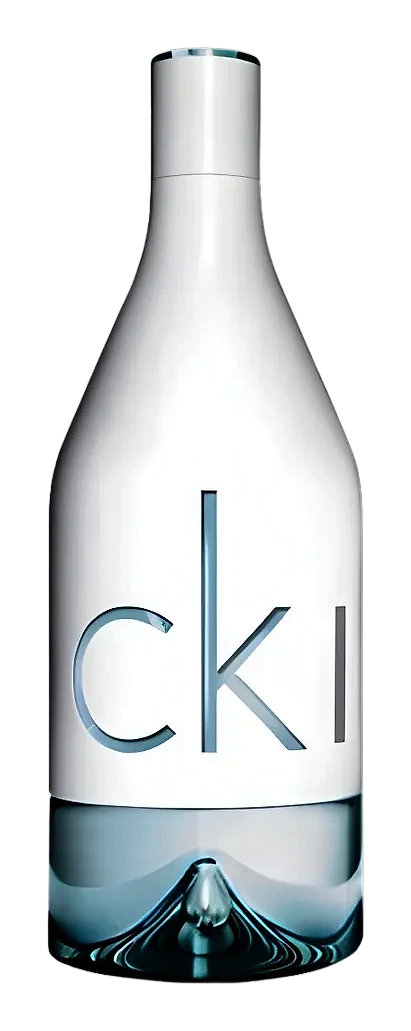
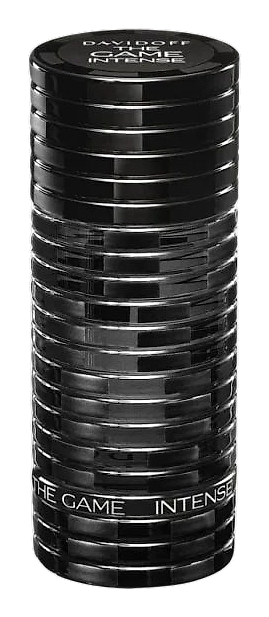
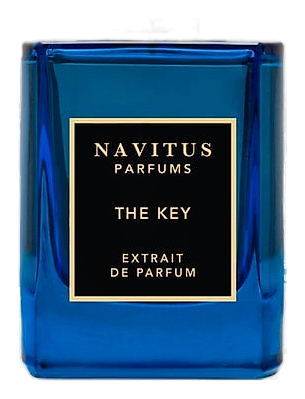
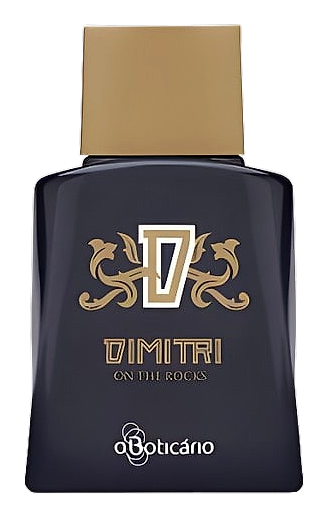
Fragrances featuring Gin fizz
Brands
Brands known for Gin fizz
Good to know
Questions, answered
The essentials on Gin fizz in perfumery: how it smells, where it comes from, and how it behaves on skin.
What does Gin fizz smell like in perfume?
Gin fizz in perfume smells bright and effervescent, combining juniper's coniferous freshness with sparkling citrus and subtle botanical spice. The effect evokes the crisp, carbonated quality of the cocktail while maintaining the sophistication of fine fragrance materials.
Why is Gin fizz used in perfumery?
Gin fizz adds an aromatic, effervescent quality that bridges fresh and traditional fragrance families. Perfumers use it to introduce crispness and lift to compositions, creating modern scents that feel both sophisticated and refreshing.
Is Gin fizz in perfume natural or synthetic?
Gin fizz can be achieved using natural materials like juniper berry oil, bergamot, and coriander, or through synthetic aromachemicals that replicate specific facets. High-quality fragrances typically rely on natural botanicals for authenticity.
What famous perfumes contain Gin fizz?
Lubin's Gin Fizz (1955, reformulated 2009) by Henri Giboulet remains the seminal fragrance in this category. Modern interpretations include Tom Ford's Neroli Portofino and Jo Malone's Wood Sage & Sea Salt, which feature gin-inspired effervescence.
Is Gin fizz a top note, heart note, or base note?
Gin fizz functions primarily as a top note due to its citrus and juniper components, which evaporate within the first 15 minutes of wear. The note provides immediate brightness and freshness before deeper botanicals emerge.
What notes pair well with Gin fizz in perfume?
Gin fizz pairs naturally with other botanicals like rose and iris, which soften its edge. Woody notes such as sandalwood and vetiver ground the composition, while amber and musk add warmth and longevity.
Where does Gin fizz come from?
Gin originated in the Dutch Republic (present-day Netherlands) around the end of the 17th century, derived from the Dutch word jenever. The cocktail gained American popularity between 1900 and the 1940s, particularly in New Orleans.
Is Gin fizz used in men's or women's fragrances?
Gin fizz transcends gender categories, appearing successfully in masculine, feminine, and unisex fragrances. Its aromatic, citrus character appeals broadly, and houses like Tom Ford and Jo Malone use it across their collections regardless of gender positioning.