
The Story
Why it exists.
The beginning
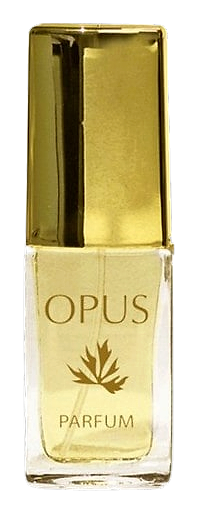
Novaya Zarya treats perfume as cultural translation rather than commercial product, each fragrance an interpretive project. Opus arrived in 2001 as an oriental statement, a warm spicy-vanilla composition threaded with florals. The house's century of literary-inspired work shaped its approach: every scent needs a concept worth wearing. For Opus, the concept was balance, warmth and coolness, sweetness and spice, the visible and the withheld. Not a fragrance that announces itself. One that waits.
The interesting move here is structural: warm and cool notes held in tension rather than merged. Vanilla and cinnamon pull warm. Carnation and ylang-ylang pull cool, their clove-like, tropical character creating counterweight against the base. This is what separates Opus from simpler orientals, the florals don't simply sweeten the spices, they argue with them. The composition earns its complexity from that internal conversation.
The evolution
The opening announces itself without apology, cinnamon and black pepper arrive together, bold and warm. Orange flickers briefly, a flash of citrus before it retreats. Then the florals begin their slow emergence. Jasmine and ylang-ylang introduce tropical warmth, but it's the carnation that takes control, cool and clove-like, settling the opening's heat. Rose and jasmine wait beneath. As the florals fully arrive, the composition feels like two different fragrances negotiating territory. The drydown belongs to vanilla, sweet cream, not candy, and patchouli's earthiness. The florals don't disappear. They fade slowly, holding ground even as the base takes over. What remains on skin hours later: vanilla warmth, patchouli depth, and the ghost of carnation. A fragrance that stays close, then closer.
Cultural impact
The 2001 release arrived during a period when Russian perfumery was defining its own contemporary identity. As the house's international profile grew, Opus found its audience among those who wanted warmth and complexity without the imported aesthetic, a distinctly Russian oriental with literary depth.