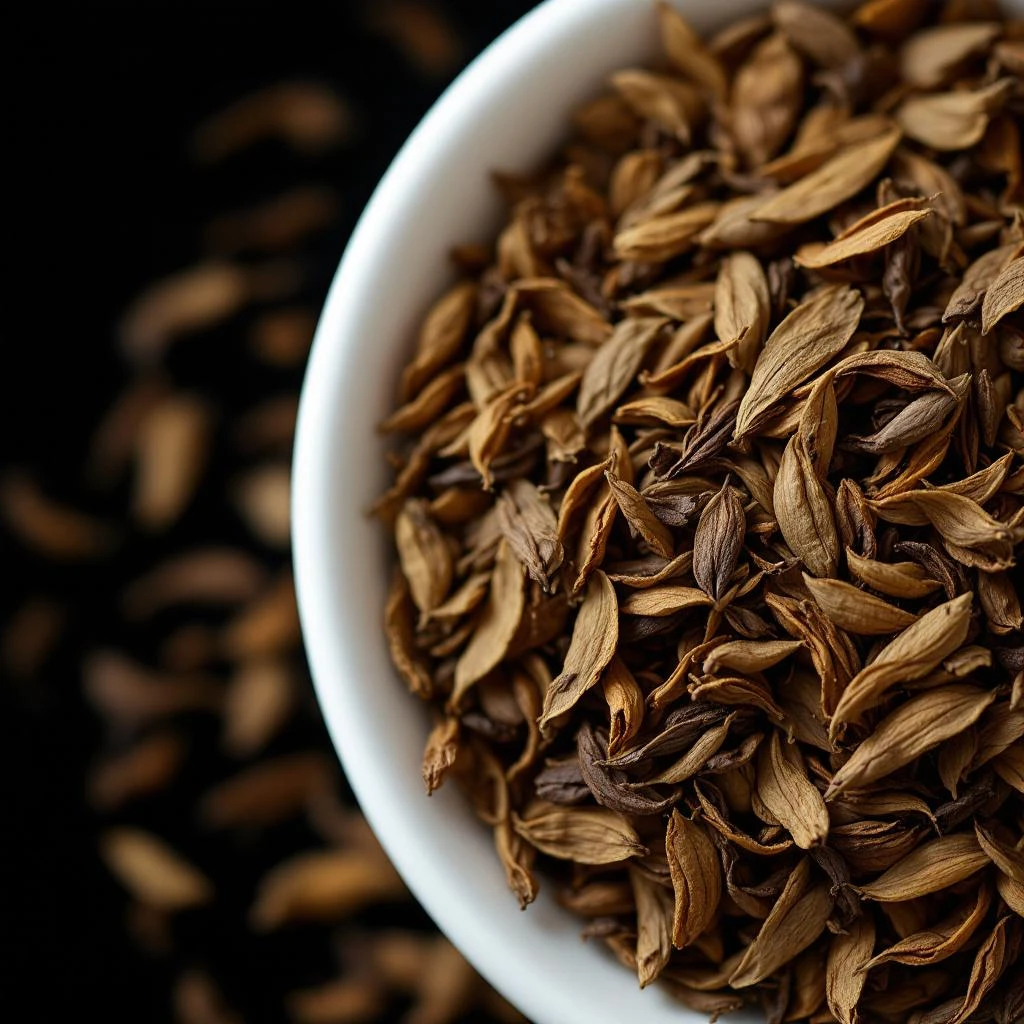
Pea
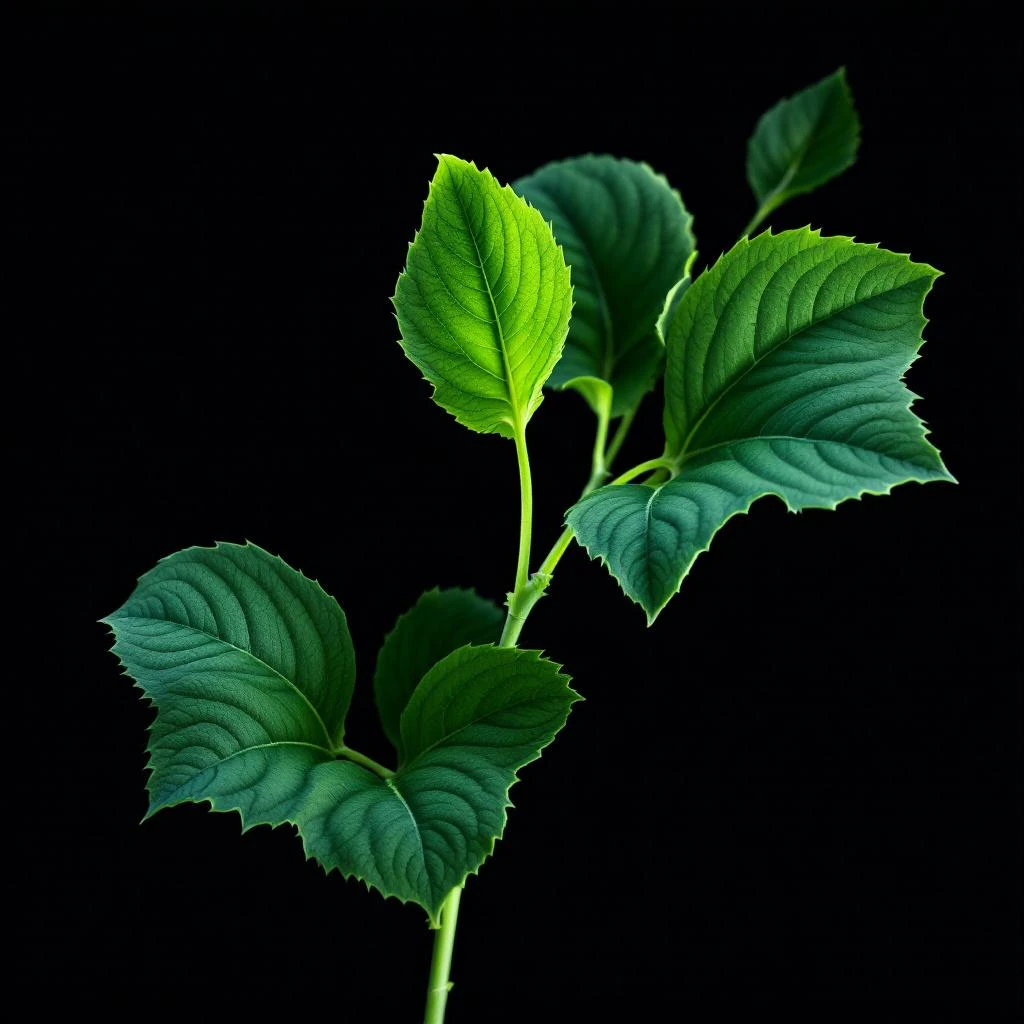
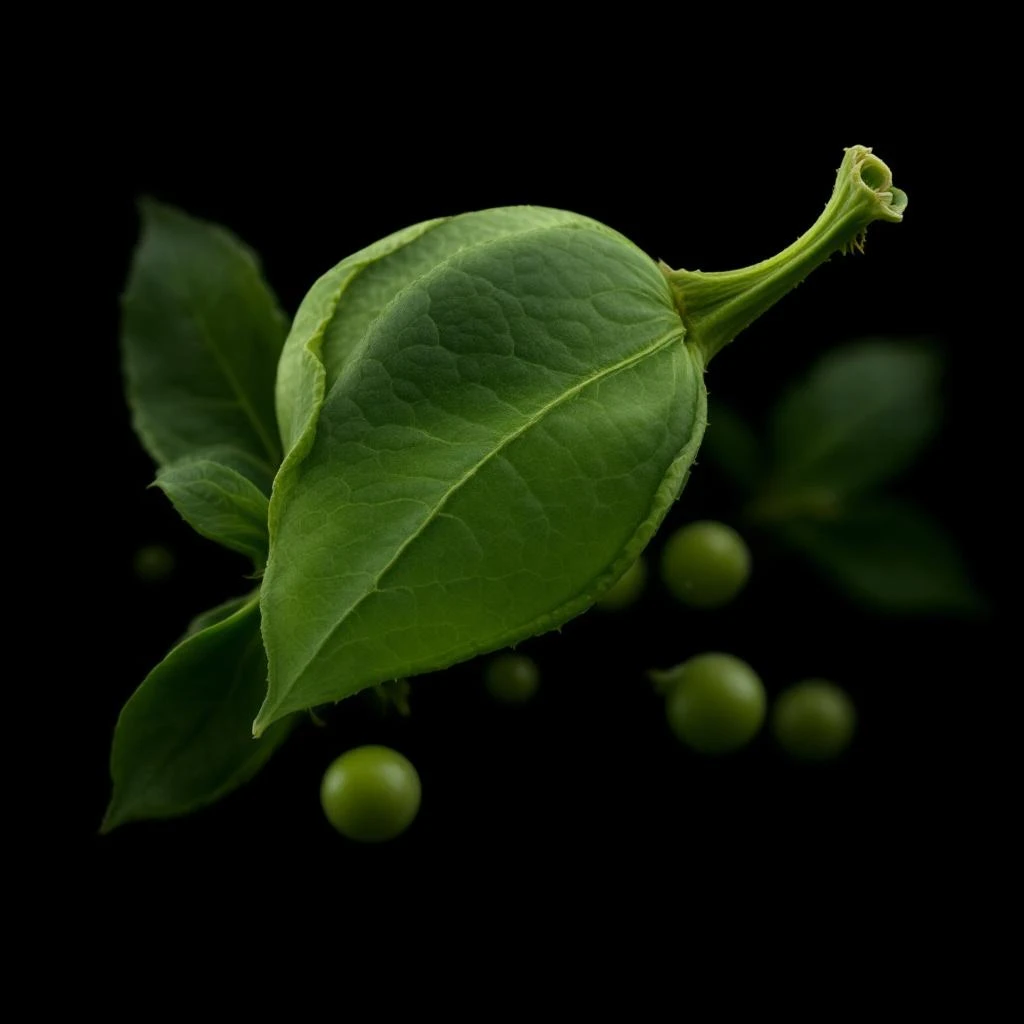
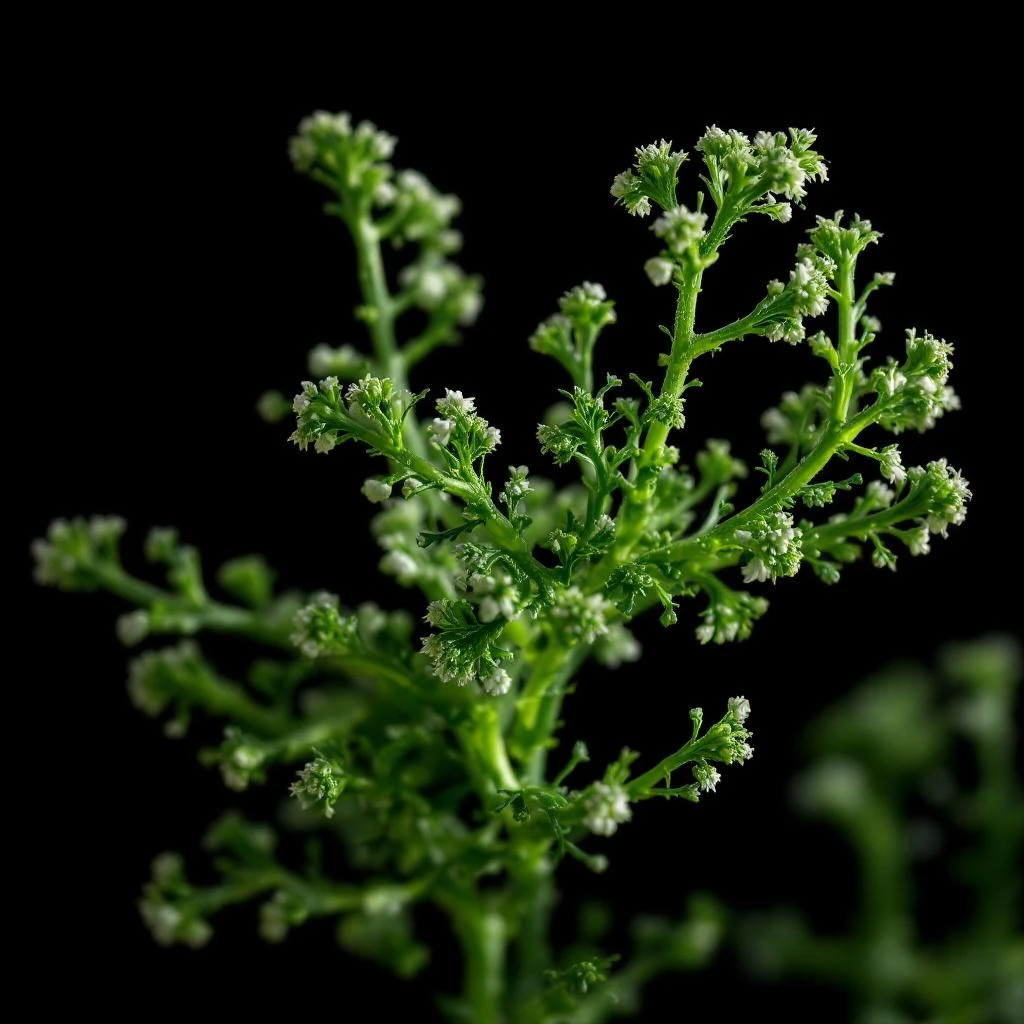
Pea delivers a crisp, green snap that recalls freshly harvested garden pods, adding a bright, watery vegetal nuance to modern fragrances. Its fleeting aroma brightens top accords and harmonizes with citrus, florals, or soft musks, making it a versatile green accent.
Character
How it smells
Fresh garden snap that lifts any scent.
The pea’s signature green note comes from a mix of aldehydes, chiefly (E)-2-nonenal, which also appears in freshly cut grass, giving the scent its unmistakable garden character.





Origin
France
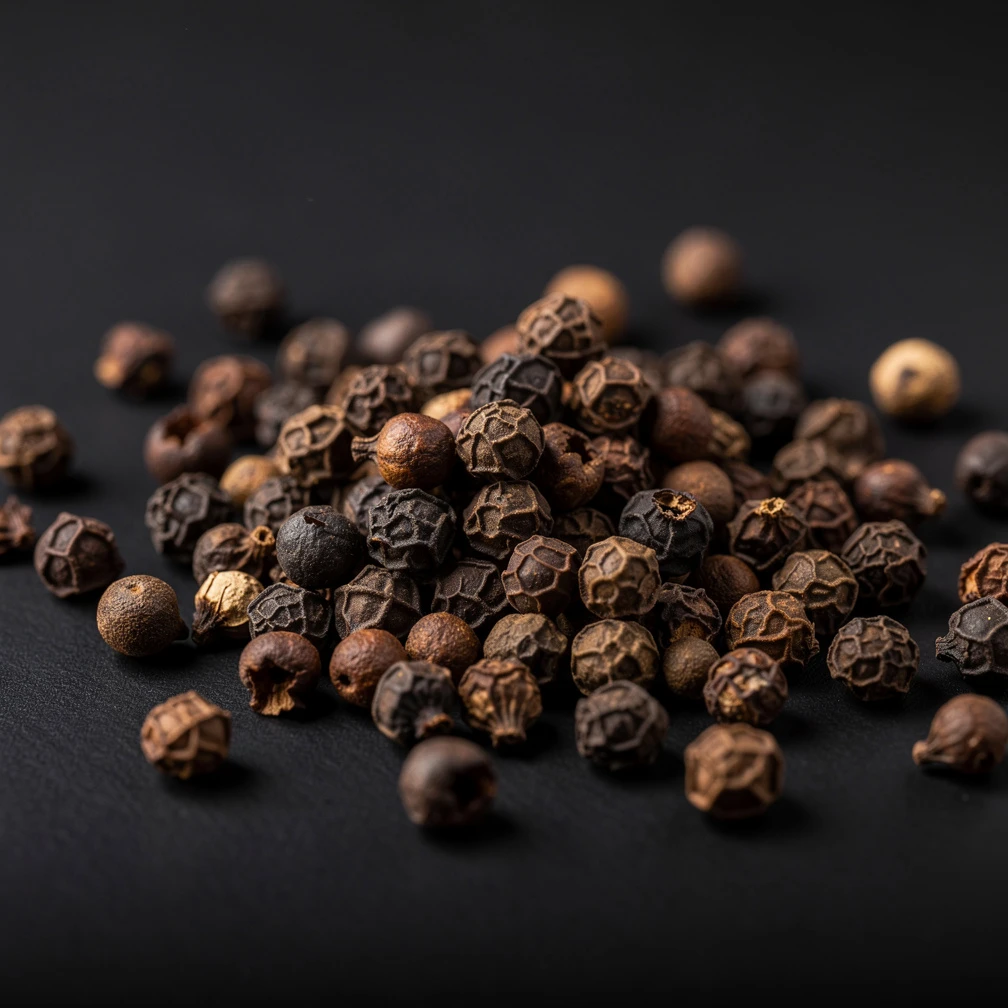
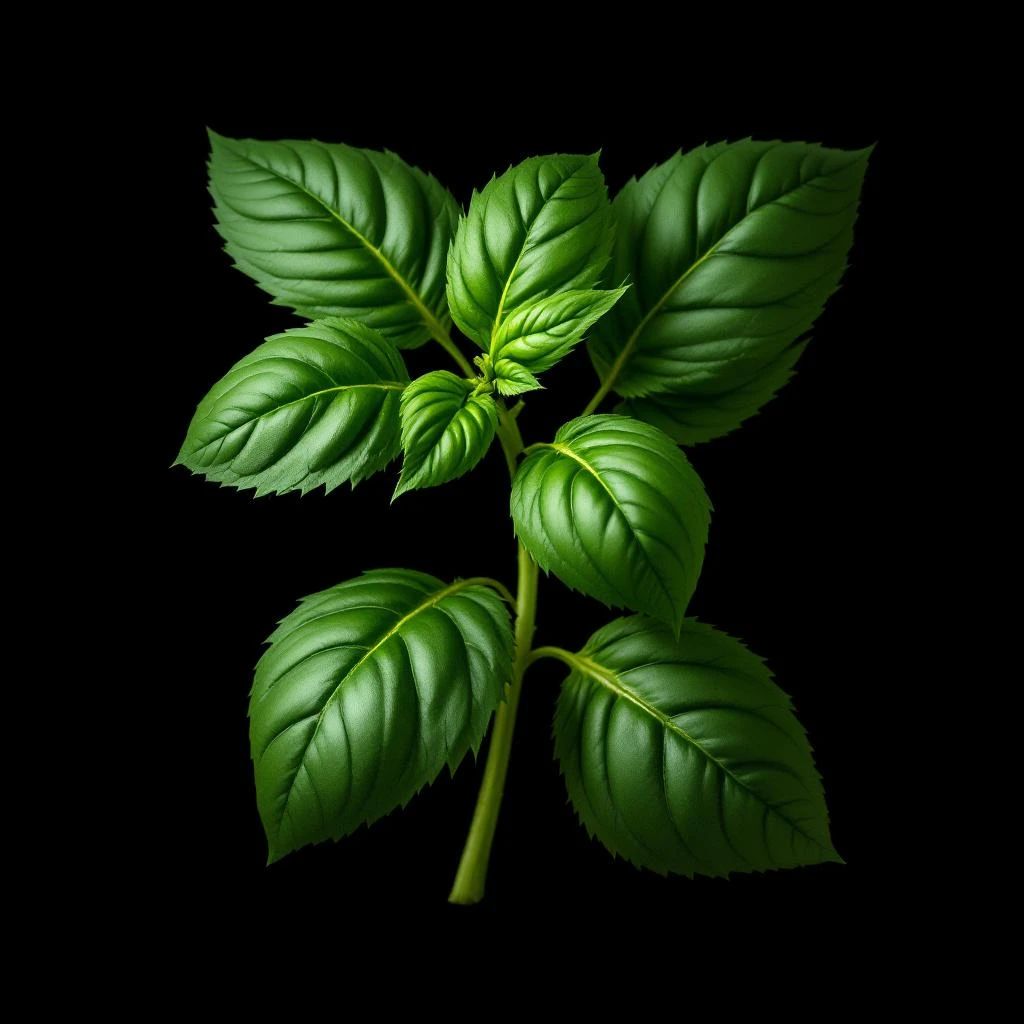
Green vegetal notes entered Western perfumery in the late 19th century, when chemists began isolating aldehydes that mimicked fresh foliage. Pea entered the scene in the 1970s as niche houses sought authentic garden aromas beyond synthetic grass notes. Early adopters in France experimented with pea puree in avant‑garde compositions, highlighting the note’s ability to evoke a dewy meadow.
By the 1990s, pea appeared in limited‑edition scents that celebrated natural simplicity, aligning with the rise of organic and farm‑to‑bottle concepts. Today, pea is celebrated for its authentic freshness, often paired with citrus or white florals to create modern green‑floral accords that reference its agricultural roots.
Wears it best
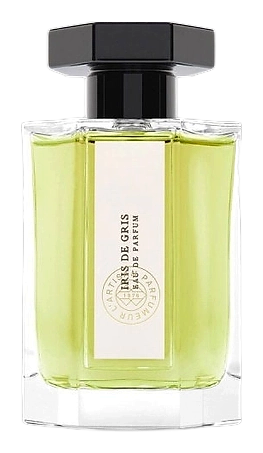
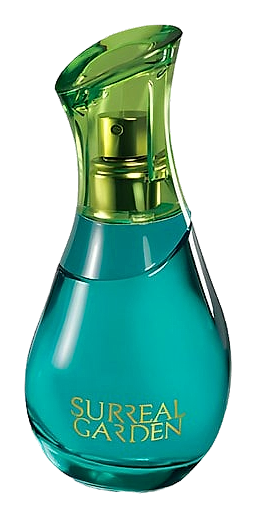
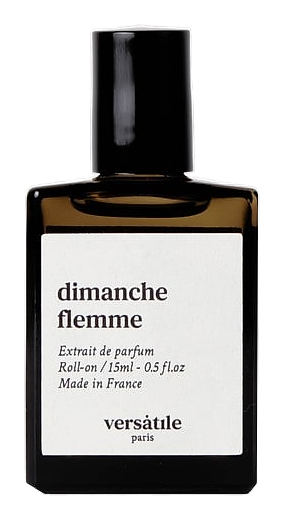
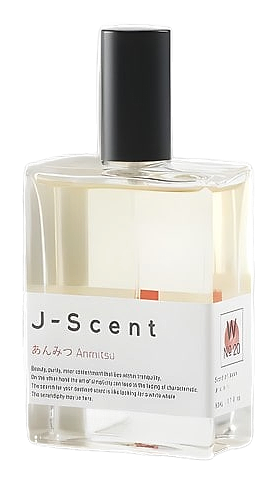
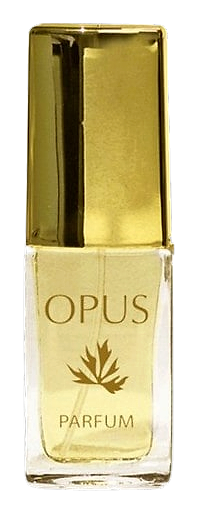
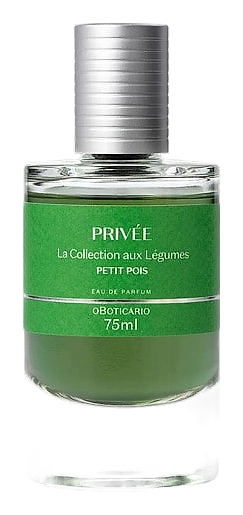
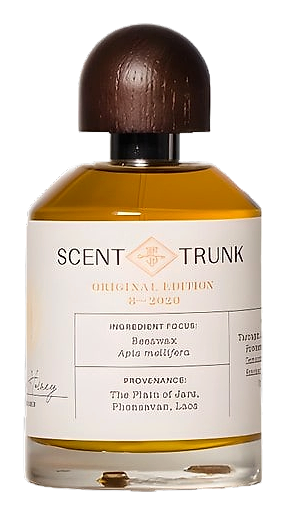
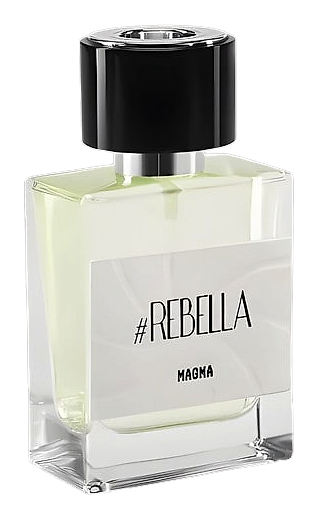
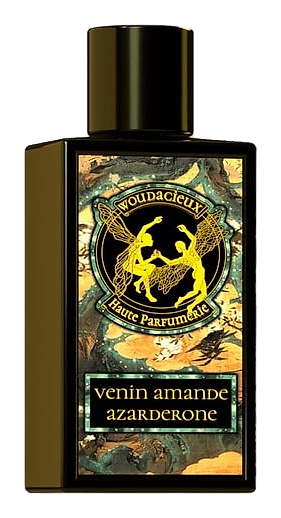
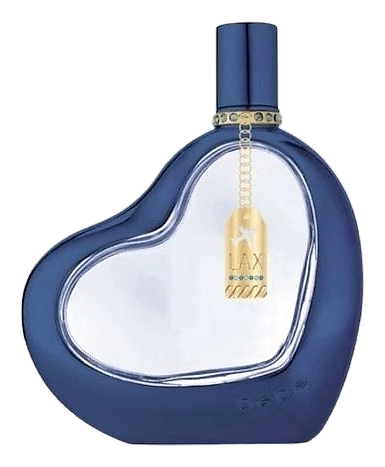
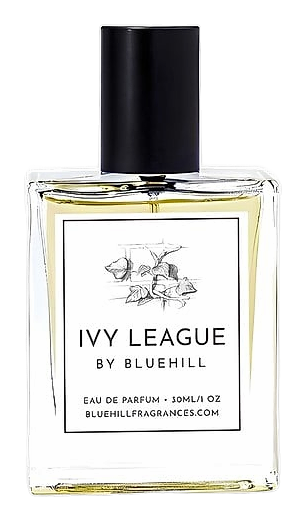
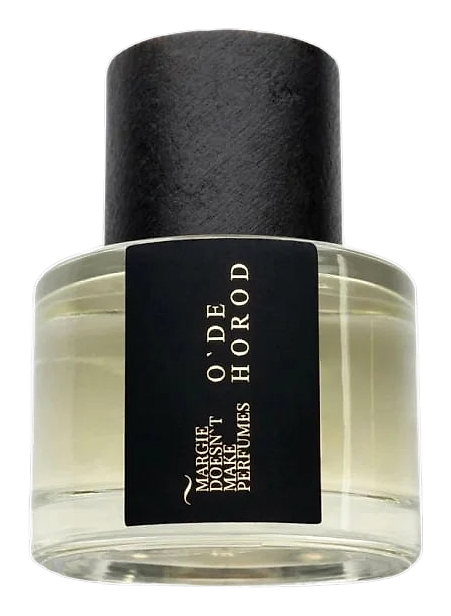
Fragrances featuring Pea
Brands
Brands known for Pea
Good to know
Questions, answered
The essentials on Pea in perfumery: how it smells, where it comes from, and how it behaves on skin.
What scent does pea impart in a perfume?
Pea adds a crisp, green, slightly sweet aroma reminiscent of fresh garden shoots. The note registers as a bright, watery vegetal nuance that lifts top layers. Sensory panels rate pea’s green intensity at 7.2 on a 10‑point scale.
How stable is pea note over time?
Pea’s aroma fades faster than many base notes because it contains volatile aldehydes. In a standard 12‑month stability test, pea’s green peak drops by roughly 30 % after eight weeks. This rate guides perfumers to place pea in the top or heart layer.
Can pea be combined with other notes?
Pea blends well with citrus, watery florals, and soft musks, creating a garden‑fresh accord. Pairing pea with bergamot and white lily yields a bright opening, while coupling it with ambergris grounds the green edge. A formulation example uses 0.5 % pea puree with 2 % bergamot.
Is pea derived naturally or synthetically?
Pea appears both as a fresh ingredient and as a synthetic mimic. Natural pea is harvested and used within hours to preserve its green profile, while aroma chemists reproduce its key aldehydes in the lab. In 2021, synthetic pea aldehyde accounted for 12 % of global pea‑type material.
What extraction method preserves pea's aroma?
Perfume houses preserve pea’s scent by cold‑pressing the pods and immediately sealing the puree in nitrogen‑flushed containers. This method avoids heat that would degrade the delicate aldehydes. Laboratory data shows a 15 % retention gain versus traditional steam distillation.
Which perfume families commonly feature pea?
Pea features prominently in modern green‑floral and aromatic families, especially in niche compositions that seek a garden vibe. Brands such as Byredo and Serge Lutens have highlighted pea in recent releases. Market surveys list pea among the top ten emerging green notes in 2023.
Are there allergen concerns with pea?
Pea rarely triggers allergic reactions; it is classified as low risk by the International Fragrance Association. However, a 2019 patch‑test recorded a 0.03 % incidence of mild skin irritation among participants exposed to pea extract. Perfume formulators keep the level below 1 %.
How much pea is typically used in a formula?
Typical pea usage ranges from 0.2 % to 1 % of the total fragrance weight, depending on the desired intensity. A 0.5 % inclusion delivers a noticeable green lift without overwhelming other components. Formulation records from 2022 show an average pea concentration of 0.45 % in green‑focused scents.