
The Story
Why it exists.
The beginning
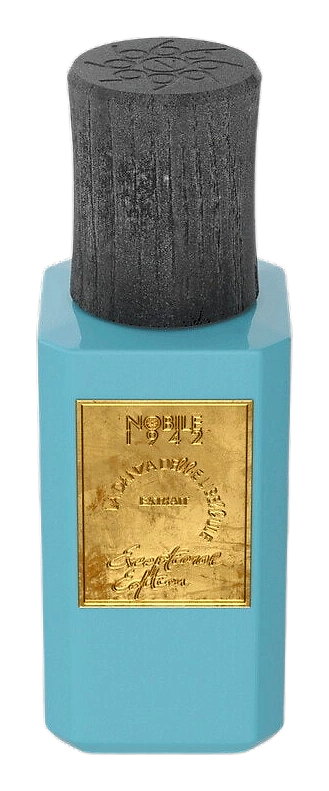
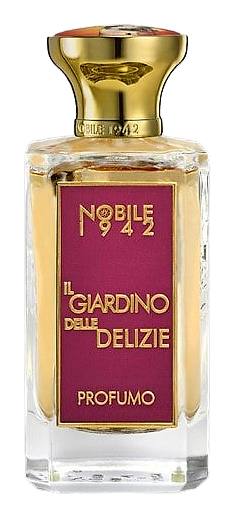
Christian Provenzano named this after The Garden of Earthly Delights, the Bosch triptych that splits into three panels: paradise, earthly indulgence, and inferno. The reference isn't subtle. The perfumer wanted to translate that same surreality into scent, to capture eccentricity, lust, and freedom in liquid form. The title in Italian, Il Giardino Delle Delizie, draws on the expressive potential of Italian as a language particularly suited to naming fragrance. This is a fragrance built from a painting, not a mood board.
The structure avoids traditional pyramid construction. Suede asserts itself alongside the heart florals, tuberose and jasmine sambac getting tangled in leather almost from the start. Davana, with its fermented, slightly animalic quality, sits at the crossroads between fruit and something more raw. Immortelle adds a honey-tobacco warmth that blurs the line between floral and resinous. Rather than building toward a foundation, all the elements occupy the same space, competing for attention before gradually negotiating coexistence.
The evolution
The opening hits with plum's sweetness and davana's strangeness in the same breath. Almond milk softens the composition, but the fruit remains prominent. Tuberose takes over the heart with an almost aggressive lushness, white floral without apology, the kind that announces itself. What surprises is the suede arriving so early, threading through the florals like a dark seam. The real drydown brings benzoin, amber, and musk coating everything in warmth. The suede and myrrh hold on like a smell you can't quite place but don't want to wash away.
Cultural impact
Il Giardino Delle Delizie occupies a specific niche within Italian niche perfumery: the theatrical-leathery-floral. The fragrance's connection to Bosch's surrealist creation gives it a conceptual boldness rare in mainstream fragrance naming. Community reception splits sharply, davana and immortelle create an association that either reads as unique and compelling or strange and medicinal. Wearers who appreciate this scent tend to want something with genuine presence rather than polite discretion.
The House
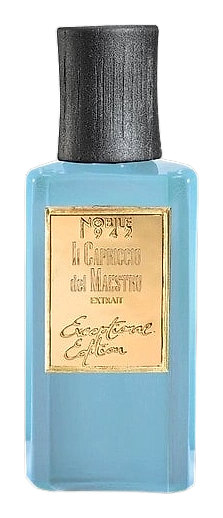
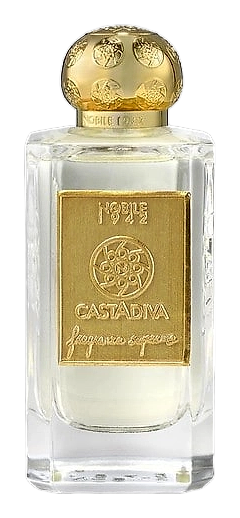
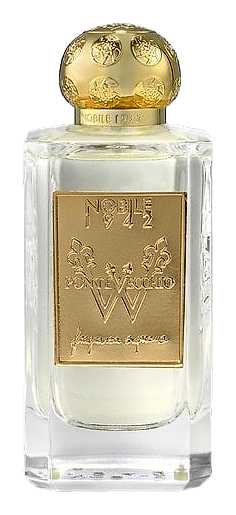
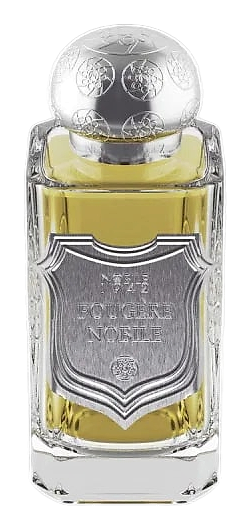
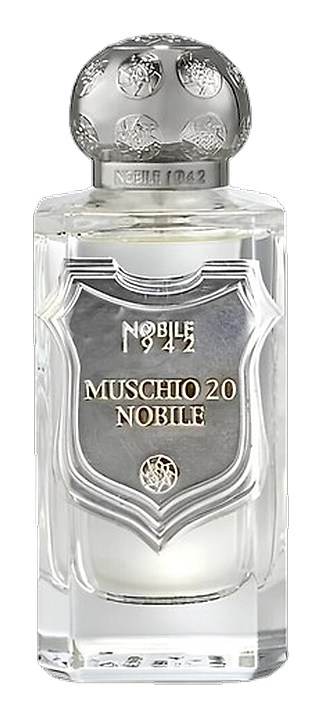
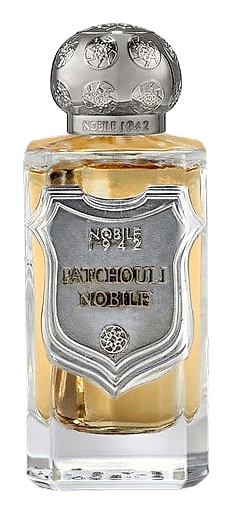
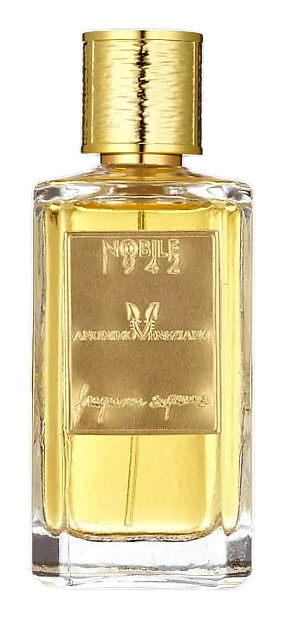
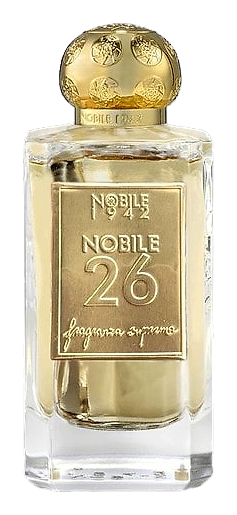
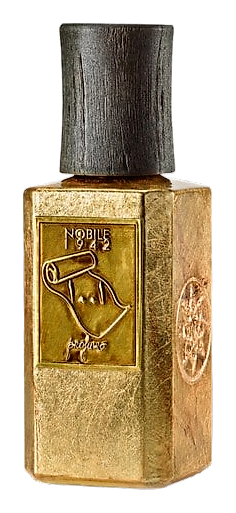
Nobile 1942Nobile 1942 is an Italian niche fragrance house based in Naples, founded around 2004-2005 by Massimo Nobile and his wife Stefania Giannino. The brand carries forward a family perfumery tradition dating back to 1942, when the Nobile family established their perfumery during wartime Italy. Now in its third generation, the house crafts small-batch fragrances that draw from classical Italian opera and theatrical traditions. Each fragrance carries an Italian title, reflecting the brand's commitment to expressing Italian cultural heritage through scent. The collection includes notable releases such as Profumo Imperiale (2010), Café Chantant Estratto (2012), and Il Capriccio del Maestro (2018), alongside several exceptional edition releases. Nobile 1942 positions itself as an alternative to mass-market fragrance production, emphasizing artisanal quality and familial continuity over commercial scale.
The Creator
Christian ProvenzanoFrom the fragrances attributed to him, a penchant for rich, opulent compositions emerges. He's likely drawn to warm, sensual notes like amber, musk, and vanilla, often paired with exotic spices and precious woods.