
The Story
Why it exists.
The beginning
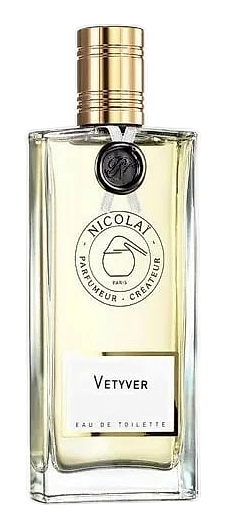
Patricia de Nicolaï created Vetyver with a clear intention: build a fragrance around the material itself, not around the idea of it. She wanted vetiver as it actually smells when you put your face close to the root, mineral, earthy. The question wasn't whether to use vetiver. She aimed to capture the raw, unadorned character of the note itself, letting its natural complexity speak louder than any artistic interpretation. Rather than softening or polishing the note into something more palatable, she worked to preserve its essential roughness, its grounded quality that makes vetiver worth using in the first place.
The real move here is what happens around the vetiver, not beneath it. Mint arrives first, sharp, almost clinical, before the root takes over. That cold opening isn't a trick; it's a contrast that makes the earthy warmth of the drydown hit harder. The ylang-ylang in the heart is the quiet surprise. It's there, but barely. A waxy, slightly sweet floral that makes the whole composition feel more complex than a straightforward masculine should. And the tobacco absolute in the base doesn't smell like smoke. It smells like the leaf itself, dry, faintly sweet, the kind of warmth that sits close to the skin rather than announcing itself across a room.
The evolution
The first ten minutes are citrus-bright: lemon petitgrain and mandarin orange cutting through clean. Mint keeps it sharp, almost cold, a flash of green before the real story begins. The transition into the heart phase happens gradually. Vetiver doesn't arrive so much as reveal itself, earthy, mineral, that distinctive root smell that makes the note worth using. The spice notes (cumin, black pepper, clove) layer in quietly, dry and warm rather than hot. Ylang-ylang appears here, not as a softening agent but as a complexity, waxy, faintly sweet, pulling against the earthiness in a way that keeps things interesting. As the fragrance develops, tobacco absolute leads without smoke. Tonka bean adds a hint of vanilla warmth that never quite becomes sweet. Oakmoss and musk hold the base together: mossy, skin-close, intimate.
Cultural impact
Vetyver is the kind of fragrance that rewards attention, not because it's difficult, but because it has more going on than a first spray reveals. It appeals to those who appreciate vetiver in its truest form, without embellishment or softening. The fragrance speaks to wearers who value authenticity and depth in their scents, drawn to compositions that offer genuine complexity rather than surface appeal.
The House
NicolaiWhen Danish florist Nicolai Bergmann moved to Tokyo in 1998, he brought with him a Scandinavian clarity that would reshape Japanese floral aesthetics forever. His signature flower boxes, which arrange stems in a single horizontal plane, created an entirely new visual language. By 2011, this floral innovator extended his botanical sensibility into fragrance, translating his deep connection with flowers into scent. The seven debut perfumes read like a walk through his Tokyo atelier: Gardenia, Peony, Lotus, and Orchid rendered in clean, modern compositions. Bergmann's work represents something rare in perfumery: a designer whose olfactory vision emerged from years of arranging living flowers, understanding their structure and personality in three dimensions before ever considering them as aromatic materials.
The Creator
Patricia de NicolaïHer work reflects a classical French education in perfumery, with a preference for structured, well-mannered compositions that linger with purpose. She gravitates toward aldehydic florals and rich orientals, using quality raw materials as the backbone of her work.