




Heritage
A house, in its own words
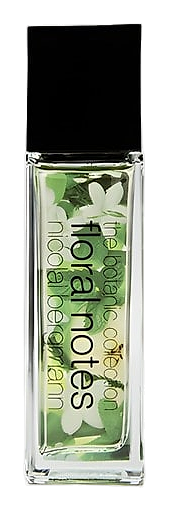
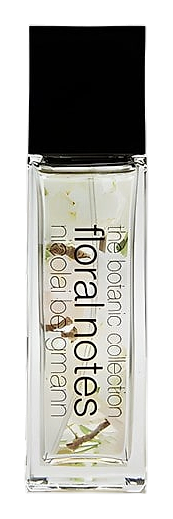
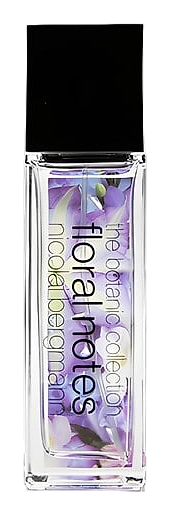
Nicolai Bergmann was born in 1976 in Dragør, a small fishing village near Copenhagen, Denmark. His father worked in the potted plant business while his grandparents ran an apple orchard, giving him an early, intimate education in cultivation and natural beauty. Bergmann began his formal floristry career in 1996 and started teaching by 2000. In 1998, he moved to Japan, drawn by what he described as a profound cultural resonance between Scandinavian and Japanese aesthetics. In 2001, he founded Nicolai Bergmann Flowers & Design and opened his first Tokyo store, introducing his flower box technique that arranged stems horizontally in a single plane. This innovation sparked widespread copying across Japan and established him as a leading contemporary floral artist. His company grew into a significant presence with multiple Tokyo locations and recognition as one of the country's most recognizable foreign artists. In 2010, Bergmann expanded into fragrance, launching his perfume line the following year with seven scents drawn directly from his floral design vocabulary. His base remains in Tokyo, where he continues to develop both his floral and fragrance work. Bergmann's creative philosophy rests on a fundamental premise: that Scandinavian restraint and Japanese attention to detail share a common language of simplicity and intentionality. Where Western floral design often favors abundance and spectacle, Bergmann's work emphasizes negative space, clean lines, and the individual beauty of each stem. His fragrances follow the same logic, presenting flower notes in compositions stripped of excess. Rather than building complex, multi-layered scents, he tends toward clarity and directness, allowing single floral characters to communicate fully. This approach reflects his belief that true luxury lies in restraint rather than opulence. His Japanese immersion has clearly influenced this sensibility, introducing an appreciation for seasonal awareness and the quiet beauty of impermanence that defines Japanese aesthetic traditions.