The Story
Why it exists.
The beginning
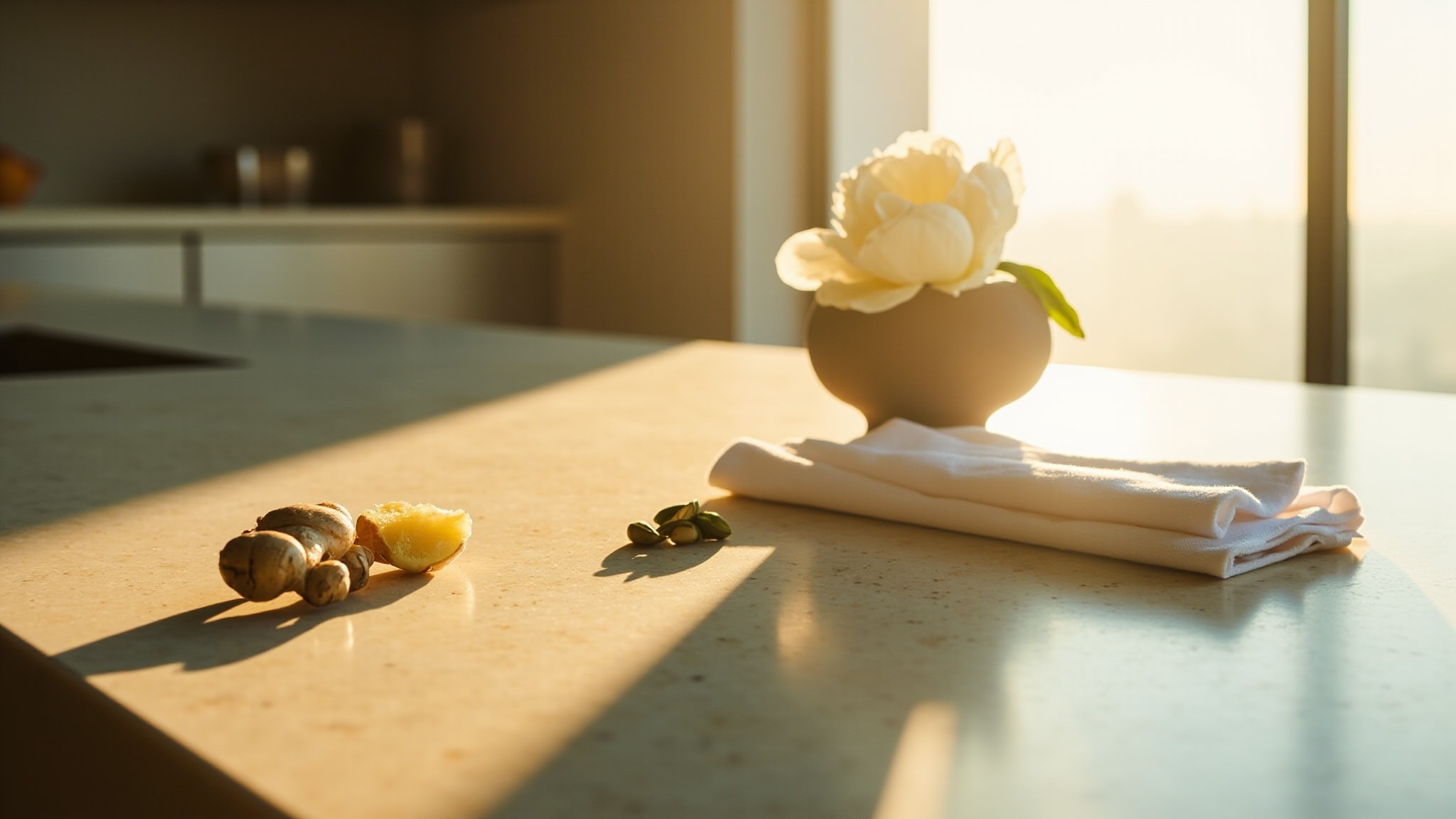
Tu arrived in 2004 from Nazareno Gabrielli, a house that has been quietly making fragrance for over a century. The name carries a directness to it, personal and almost intimate. The house built this one for women, and it carries the particular weight of an Italian provincial take on warmth: never overstated, never apologetic. Spice, yes, but a domestic spice. Florals, yes, but softened by bamboo and cyclamen. The house wasn't trying to make noise. It was making something for the person who wants to be remembered without raising her voice. Ginger and cardamom open with a soft bite, the kind that warms rather than burns. Mandarin orange threads through the top, adding a bright citrus lift that keeps the spice from settling too quickly into something heavy.
The interesting thing about Tu is how it balances two ideas that usually fight each other: warm spice and fresh petal. Ginger and cardamom give it heat and a slight bite. Mandarin keeps things from going too dense. Then the heart drops in bamboo and freesia, which is where it gets interesting. Bamboo adds a watery, green translucence that keeps the florals from turning powdery, acting almost like a window left open in a warm room. It introduces air where you'd expect density, letting the other notes breathe rather than suffocating under their own sweetness.
The evolution
On skin, Tu opens with the ginger and cardamom front and center, bright and almost sharp at first, the way good spice is sharp before it becomes warmth. Mandarin orange lifts it, keeps things from cloying too fast. There's a powdery edge here too, faint but present, the kind that comes from cyclamen doing its work early. The opening announces itself with confidence but without aggression, a controlled heat that promises more depth to come. As the early brightness begins to soften, the florals take over. Rose and jasmine arrive together, but they don't shout. Peony softens everything, adding a rounded, almost creamy quality that prevents the other florals from becoming too sharp or too sweet. The bamboo does something unexpected: it adds a watery, almost mineral clarity that keeps the florals from collapsing into sweetness.
Cultural impact
Tu sits in a quieter register than many women's fragrances from the same period. Spice and sandalwood, bamboo instead of heavy fruit. It reads as a fragrance for someone who chose discretion on purpose, not because she couldn't find anything louder. There's a confidence in that restraint, a belief that warmth and subtlety can be just as memorable as volume and sweetness. The fragrance offers something distinctly personal: a scent that doesn't try to project across a room but instead stays close to the skin, intimate and considered.