
The Story
Why it exists.
The beginning
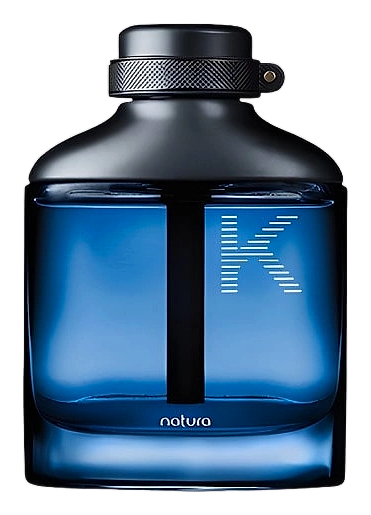
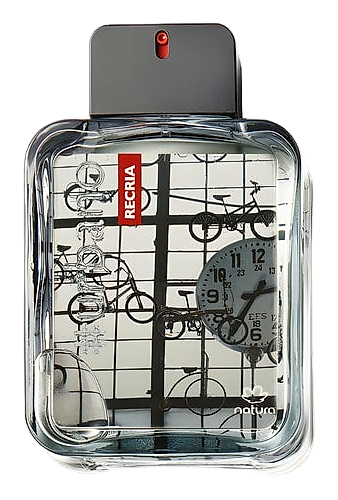
The #Urbano line was Natura's attempt to define a modern Brazilian masculinity, one that wasn't borrowed from European fashion week or North American department stores. Recria, released in 2015, came from three perfumers who understood this brief differently: Verônica Kato, Clément Gavarry, and Yves Cassar. Their task was to build a fragrance that felt like the city felt, alive, moving, a little impatient. What they landed on was polygonum, an ingredient the brand calls exclusive to perfumery, sourced from the Amazon basin and bringing an herbal, green depth that masculine fragrances rarely carry at the center. That botanical anchor became the creative core of Recria, unusual for a men's release, and deliberate. The perfumers didn't want another citrus-aquatic that smelled like everyone else's office. They wanted something that smelled like where they were from.
The interesting move here is what happens around that polygonum note. Most masculine fragrances use citrus or aquatic as the lead, then bury something interesting in the base. Recria flips the structure. The citrus and ginger open fast and clean, a bright, almost sparkling entrance that makes the herbal heart feel intentional rather than accidental. Then the lavender and woody notes arrive not as decoration but as the connective tissue, holding the opening and the drydown together with a powdery warmth that keeps the whole composition feeling coherent rather than scattered. The cedar and sandalwood base doesn't try to dominate.
The evolution
The opening is citrus at its most direct. Bergamot and grapefruit arrive together, bright and tart, with the ginger adding a spice that reads clean rather than sharp. There's no slow build here, you're in it within the first spray. Within 20 minutes, the lavender begins to assert itself, softening the citrus edges and introducing a powdery warmth that shifts the fragrance from bright to approachable. The floral and woody heart notes fill in the middle ground, creating a transition that feels smooth rather than abrupt. By the hour mark, the base takes over. Musk and cedar emerge as the skin-warm elements, with sandalwood adding a creaminess that keeps the drydown from going sharp or synthetic. The sillage moderates after the first hour, this is a fragrance that settles close, making itself known to anyone in conversation distance but not announcing itself across a room. The cedar and musk hold for the remaining hours, with the drydown reading as clean, warm wood rather than anything heavy or animalic.
Cultural impact
Recria fits into Natura's broader #Urbano line, which positioned itself as a Brazilian answer to the global masculine fragrance conversation. Rather than chasing European references, the brand used Recria to make a case for urban Brazilian identity as its own olfactory territory, anchored in Amazonian botanicals, built for the pace of the city, and shaped by perfumers who understood both the local landscape and the international language of masculine scent.