
The Story
Why it exists.
The beginning
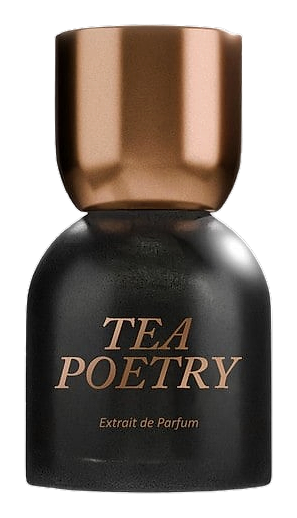
Tea Poetry arrived in 2024 from Mykonos, a fragrance house that built the Black Tea Collection around the rituals of steeping and the few minutes where hot water meets leaf. The fragrance captures what happens when the room slows down and the cup becomes more than a cup. Mykonos structured the composition to echo the temperature shift of tea itself, from the bright pour at the start to the lingering warmth that sits in the cup after the last sip. Part of a collection built on the quiet comfort of leaf-based scents, Tea Poetry leans fully into the comfort side of tea culture rather than the bitter or smoky end.
What makes the composition work is the tension between the cooling citrus-and-green-tea top and the warming vanilla-and-amber drydown. The fragrance shifts register, from a bright hesperidic pour to a soft woody-musk base, which gives it an arc that many similar compositions skip. The jasmine and rose in the heart do quiet work, adding a skin-like softness that keeps the citrus from ever reading sharp or clinical. The result is a layered composition that moves from clean to creamy without ever losing the thread of green tea that ties the whole thing together.
The evolution
The first 30 minutes are almost entirely citrus. Bergamot, grapefruit, orange, lemon, all stacked together, bright enough to register across a room. Then the florals and green tea arrive, and the composition calms. Jasmine and rose come in low, not perfume-loud, more like warm laundry or the steam off a cup. The green tea note pulls everything together, slightly smoky, slightly herbal. By hour three to four, the base takes over. Vanilla, sandalwood, amber, cedar, and white musk form a clean skin-warmth. No sharp edges. No projection left. Just a soft trail that sits close to the skin for hours, growing quieter rather than disappearing. The arc from citrus blast to woody murmur is gradual enough to feel like one continuous gesture rather than three separate phases.
Cultural impact
Tea Poetry wears like a ritual more than a statement piece, the kind of scent that settles in rather than announces. It captures the comfort of leaf-steeped water and the calm of an unhurried afternoon. Wearers reach for it when they want something quiet and grounding, something that hugs the skin instead of projecting outward. It belongs in the growing conversation about tea as a fragrance category, where green tea notes get treated with the same depth as woods or florals rather than as a fleeting top-note effect. For anyone drawn to scent as atmosphere, this one delivers a slow, comforting arc.