The Story
Why it exists.
The beginning
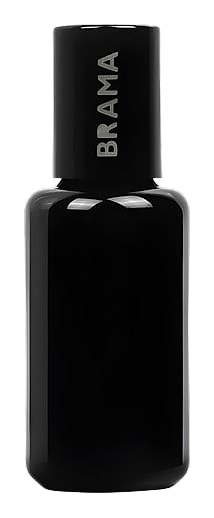
Brama is composed by Nicola Bianchi, and the official copy positions it as an ideal perfume, a work that narrates an uncontaminated, pure seduction, described as the exaltation of Oriental. There's an anagrammatic thread running through the naming, where the scent mirrors its own wordplay, doubling the word back on itself in a way that feels both linguistic and emotional. Bianchi built the composition around a labdanum absolute meant to feel ancient, mielati in the brand's own phrasing, honeyed, the kind of golden resin that carries centuries of incense altars and warm interiors in its sticky, amber weight. The labdanum here doesn't read as a modern interpretation of amber but as something excavated, a note that arrives with its own history already attached.
What makes Bianchi's approach distinctive within the amber-oriental register is the restraint shown within excess. The labdanum sits at the center, supported by myrrh, patchouli, and Ceylon cinnamon that add shadow without adding weight. Ceylon cinnamon brings the dry, woody heat that distinguishes real spice from baked-good sweetness, and patchouli grounds the composition in something earthy and mineral. The violet and bergamot barely register as individual notes. They function as cool air, a window cracked open in an otherwise sealed, sun-warmed room.
The evolution
The bergamot arrives first, brief and almost apologetic, like someone turning on a lamp in a dim hallway. It steps aside quickly and the composition does what it came to do: labdanum rises like warm amber light, thick and golden, with myrrh adding a dark, medicinal undertone beneath. Cinnamon sharpens the edges with its dry, woody bite, and patchouli grounds everything in something earthy and real. As the opening citrus fades, the resinous core takes full command, and the scent begins to feel like walking into a room where incense has been burning for years, settled into the walls. Over time, the resinous heart softens into something warmer, almost edible, as tonka and a honeyed sweetness surface through the haze. Violet appears late, almost as a suggestion, powdering the edges with a faint floral coolness that keeps the sweetness from collapsing.
Cultural impact
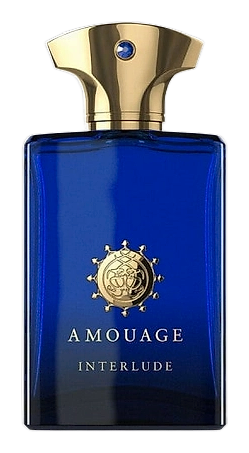
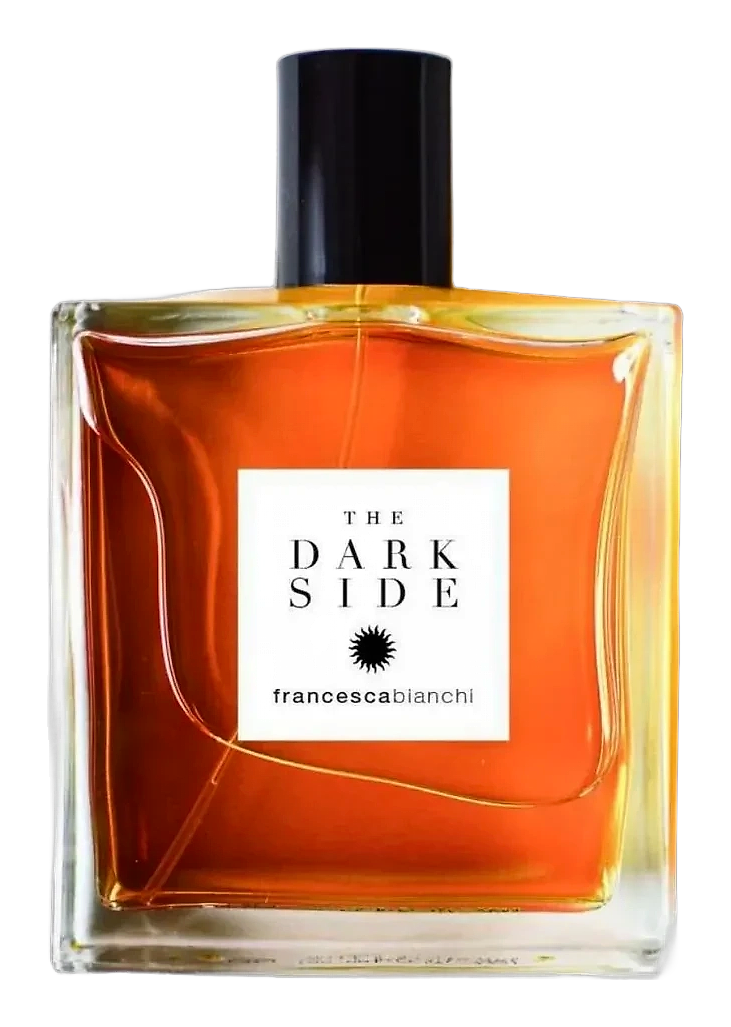
Brama occupies a specific place within niche perfumery, a dense, resinous composition that resonates with wearers who gravitate toward amber-oriental territory. The Fragrantica user community shows overlap with admirers of Amouage and Francesca Bianchi, suggesting a shared audience for compositions built on labdanum, myrrh, and the kinds of materials that require attention rather than demanding it immediately. The Fragrantica seasonal and occasion data shows the fragrance scoring strongly for winter wear and evening settings, with users rating it at 4 for winter and 4 for night, while registering minimal interest for spring and summer.