
The Story
Why it exists.
The beginning
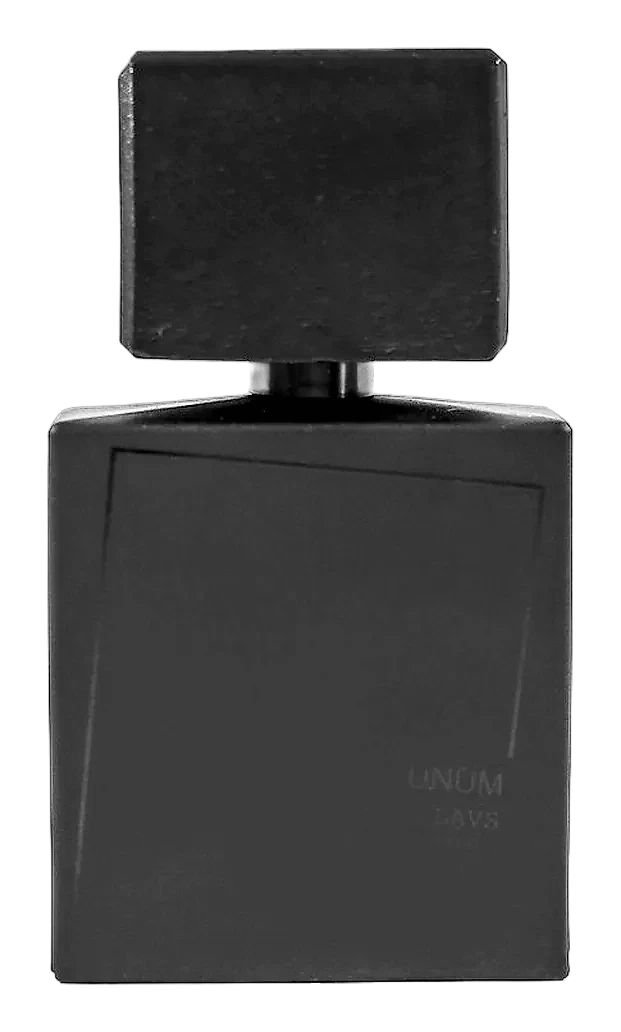
Tarì takes its name from an ancient coin that moved through Sicily, Malta, and the south of Italy, a gold coin traded between hands and ports across the Mediterranean basin. The word comes from Arabic, meaning tender, green, fresh. It's a fitting name for a fragrance that smells nothing like it suggests, a composition built on patchouli so sharp and earthy it reads more medicinal than gentle, more shadow than sunlight. The opening carries a spicy-smoke character that announces itself with the green-camphoraceous bite of unaged patchouli, the kind that stings the nostrils before it softens. MONOM released Tarì in 2014, a standalone arrival from a house more interested in singular statements than gradual teasing.
What sets Tarì apart is the composition's use of a blend of three different essential oils of patchouli, each chosen to express a different facet of the plant's character. Together they create a remarkable vertical range, from a brighter, greener opening that carries almost a camphor lift, down through a dense resinous body, and finally into something dark and grounding at the base. The blend gives Tarì its unusual depth, a layering that reads as a single material but unfolds across registers.
The evolution
Tarì opens sharp and a little confrontational. The first minutes are dominated by clove and geranium, medicinal and slightly bitter, the kind of accord that stings the back of the throat before it settles. There's a camphoraceous brightness at the edges, the greener face of patchouli showing itself before it sinks into its heavier register. The opening reads like the air above a simmering pot of mulled wine that hasn't been sweetened yet, all spice and no sugar, the kind of scent that fills a room before you've taken a second breath. As the composition moves into its heart, the patchouli deepens and stops smelling like a leaf. It starts smelling like soil after rain, dark and loamy and impossibly dense. Cedar gives it structure, a dry wood-grain texture that keeps the warmth from turning soft, that holds the whole composition upright like a beam in a low-ceilinged room.
Cultural impact
Tarì wears like a private vocabulary. It doesn't chase trends or reference popular structures; it commits to one material and lets it speak at length. The kind of fragrance worn by people who already know what they like and aren't looking for permission. It sits with the compositions that ask something of the wearer, and reward those who meet it halfway. There's a quiet stubbornness to the way Tarì presents itself, a refusal to soften its edges or round itself out for easier wear. It rewards patience, attention, and a certain willingness to sit with something dark and dense for hours at a time.