The Story
Why it exists.
The beginning
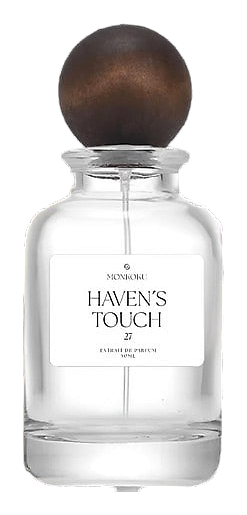
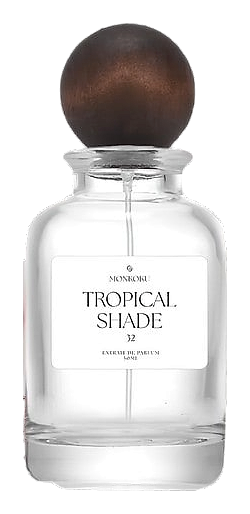
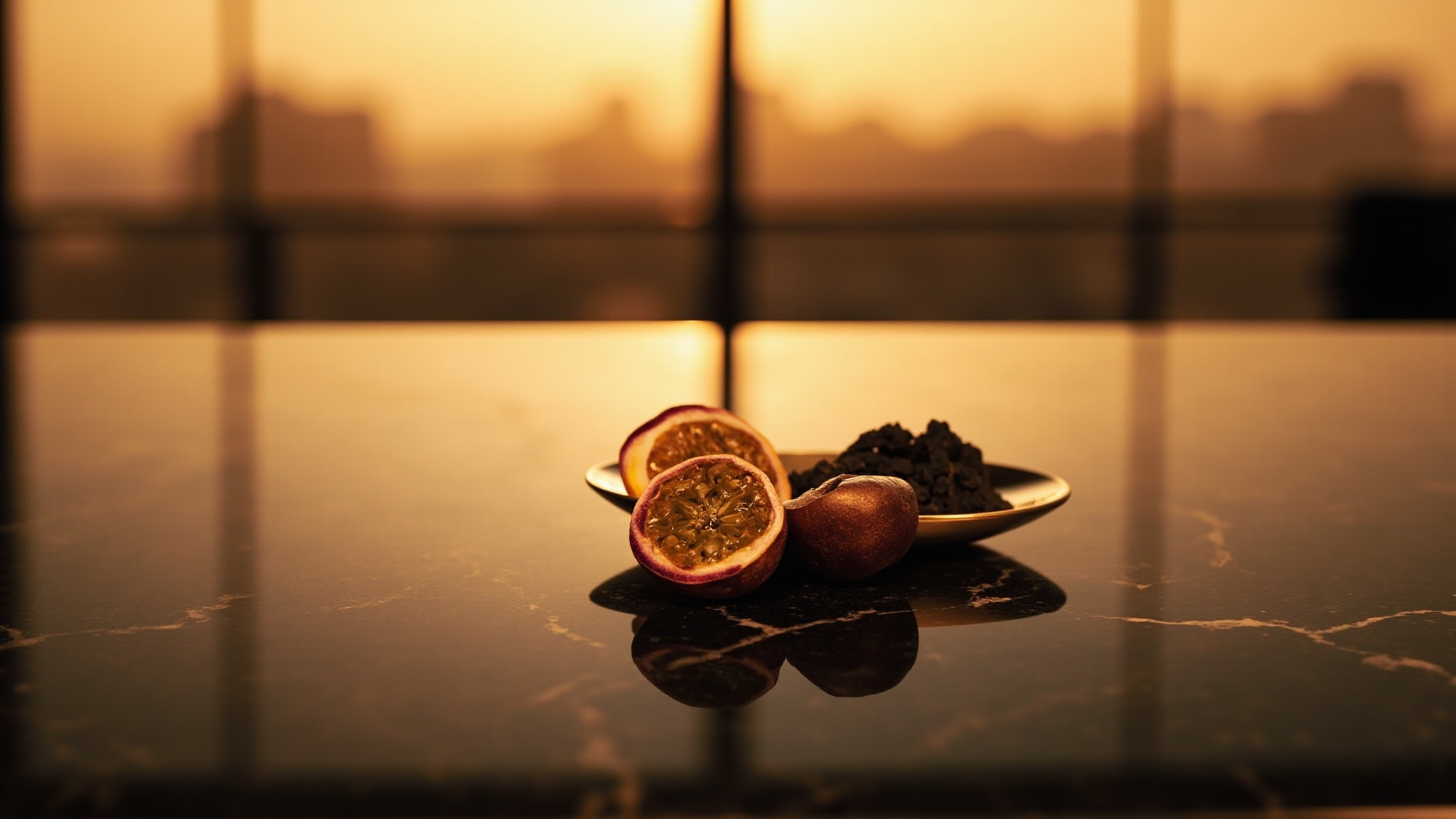
Tropical Shade arrived in 2025, and the name does a lot of work up front, suggesting a paradise in shadow rather than a postcard in sunlight, the kind of canopy where sunlight filters through dense leaves and the air smells thick with fruit and damp bark. That image holds once you start wearing it. The opening is unapologetically juicy: passionfruit, sharp and tart, almost the texture of cold pulp on the tongue, with a green edge that reads more like crushed leaf than candy. There's a saffron thread weaving through that fruit, adding a leathery warmth that keeps the sweetness from tipping into anything beachy or neon. By the time the oud shows itself, the composition has already tilted away from the tropical and into something denser, smokier, stranger.
What makes this composition worth attention is how it handles the early transition. Passionfruit rarely survives contact with oud, let alone saffron and labdanum, yet here it does the opposite of fading. The fruit reads bright and almost sharp in the opening, then the saffron and leather pull it into warmer territory before the oud ever fully arrives. That transition from juicy to resinous happens within the first hour, and it sets the tone for the entire wear.
The evolution
The opening is loud and immediate. Passionfruit hits first, tart and intensely ripe, almost overripe, the kind of fruit that's started to ferment on the vine. Within minutes, saffron weaves underneath, golden and slightly bitter, and the leather shows up not as a jacket but as something more worn, a glove left on a table. The oud waits. Labdanum adds a dark amber warmth that makes the fruit feel less like a cocktail and more like a landscape. Around the thirty-minute mark, the heart settles in. Rose shows up, but not as a flower in a vase. It's the rose of attar, dense and slightly medicinal, sweetened by vanilla and the resinous pull of benzoin. The passionfruit is still there, but now it's candied, darker, threaded through the resin rather than sitting on top of it. The composition feels like it's gaining weight without losing lift. The drydown is where this earns its reputation. Smoke arrives around the two-hour mark, not as an accident but as a decision. It's woodsmoke, bonfire smoke, the kind that clings to a sweater after a night outside.
Cultural impact
Early wearers quickly drew a comparison between Tropical Shade and Oud Maracujá by Maison Crivelli, noting that Monkoku's version leans further into the passionfruit and lands on a more wearable drydown, softer roundness where the reference holds sharper, almost feral edges. That comparison captures something real about how Tropical Shade behaves on skin. Anyone curious about the depth of oud but put off by its usual severity will find the entry point here more inviting than expected, because the fruit lifts the opening into something immediately legible before the resins take their grip.