The Story
Why it exists.
The beginning
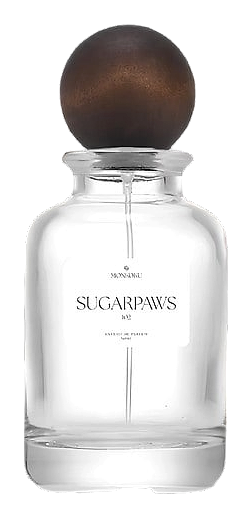
Sugarpaws arrived in 2025 from a house with a taste for friction. The name is a wink at the tension baked into the composition: sugar on the surface, claws underneath. Sweet and smoky, soft and spicy, resinous and leathery, the push and pull is the whole point. Sugarpaws doesn't ask to be the loudest thing on the shelf. It asks you to lean in, to notice the way the pepper and the wood stop fighting and start trading lines, and to find something quietly remarkable where most compositions would have already announced themselves and moved on.
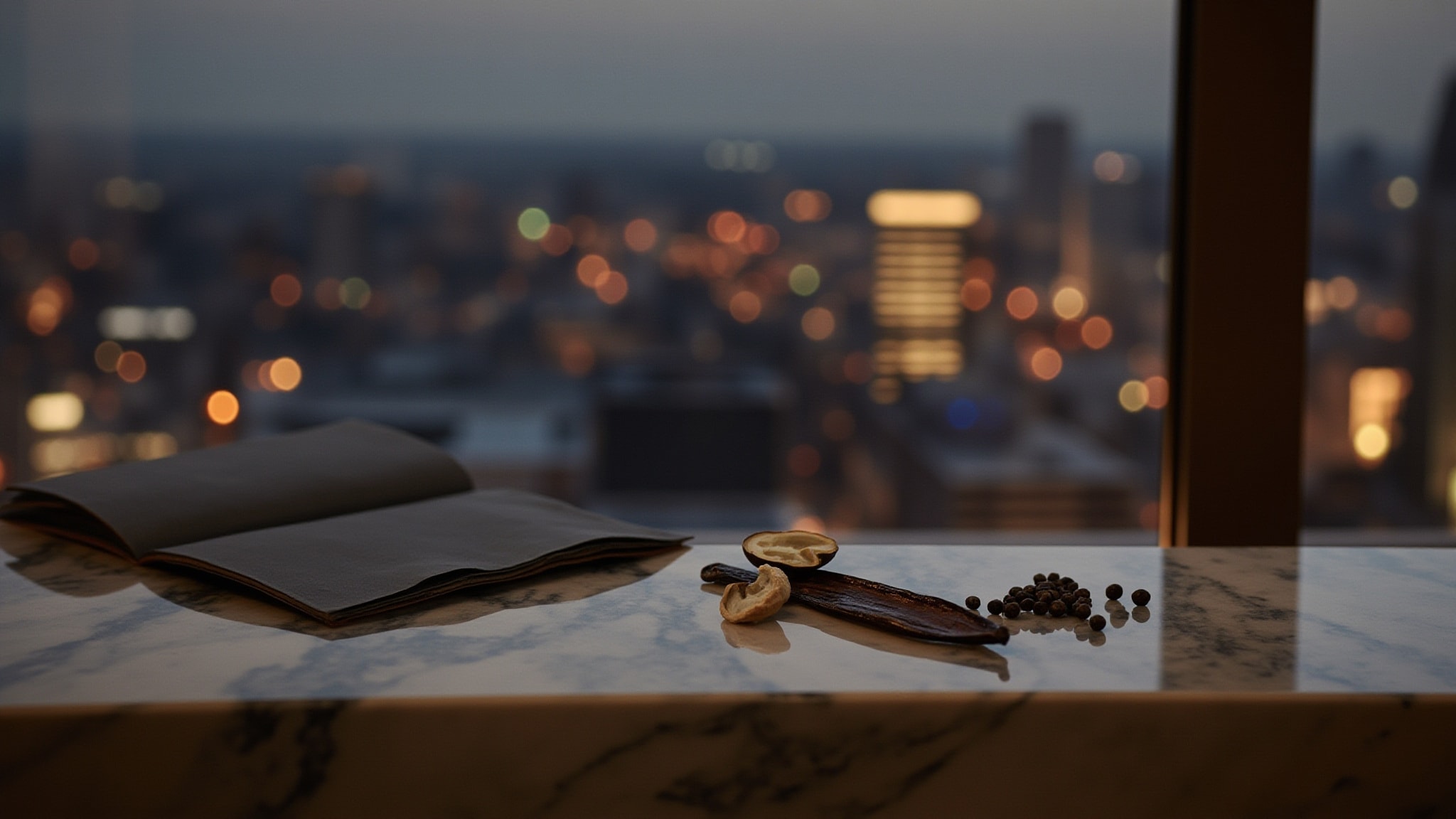
The composition turns on a stack of four pepper notes up top, pink, white, black, and pimento, which is unusual even for a spicy fragrance. That decision sets the heat early but keeps it varied rather than aggressive, four different kinds of bite behaving like four different voices in the same argument. Then the heart drags the temperature in a different direction with frankincense resin, guaiac wood, smoke, and saffron, all materials that burn slowly and speak in low registers, the kind of ingredients that prefer a long sentence to a headline.
The evolution
The first fifteen minutes are a fever dream. Sugarpaws opens with all four peppers stacked on top of vanilla, and the sweetness reads almost confectionery before the smoke breaks through. There's a bubblegum-adjacent quality at the very top, sharp and sugary, that softens quickly as frankincense and guaiac wood take over around the thirty-minute mark. That middle phase smells like a fireplace in a room where someone baked earlier, smoke threaded through graham cracker and faint saffron, the wood notes doing most of the quiet talking. By hour three the leather arrives, quiet at first, then more confident, drying down with sandalwood and a vanilla that no longer sounds sweet so much as woody and close to skin, almost intimate. The drydown settles into a low, warm hum that keeps the smoke and the wood in conversation long after the brighter top notes have stepped out.
Cultural impact
Wears like a private discovery. The pepper-loaded opening and the slow lean toward smoke and leather give it the shape of a slow-burn composition, the kind of scent you reach for on purpose rather than by habit. It sits comfortably among spiced, unisex gourmands, holding its own alongside them while refusing to lean into the obvious dessert sweetness that anchors so many of its neighbors. The contrast between fire and sugar is what sets it apart, and it reads as intentional rather than accidental.