The Story
Why it exists.
The beginning
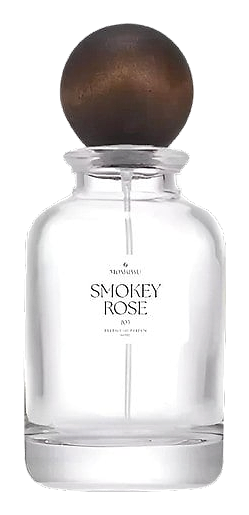
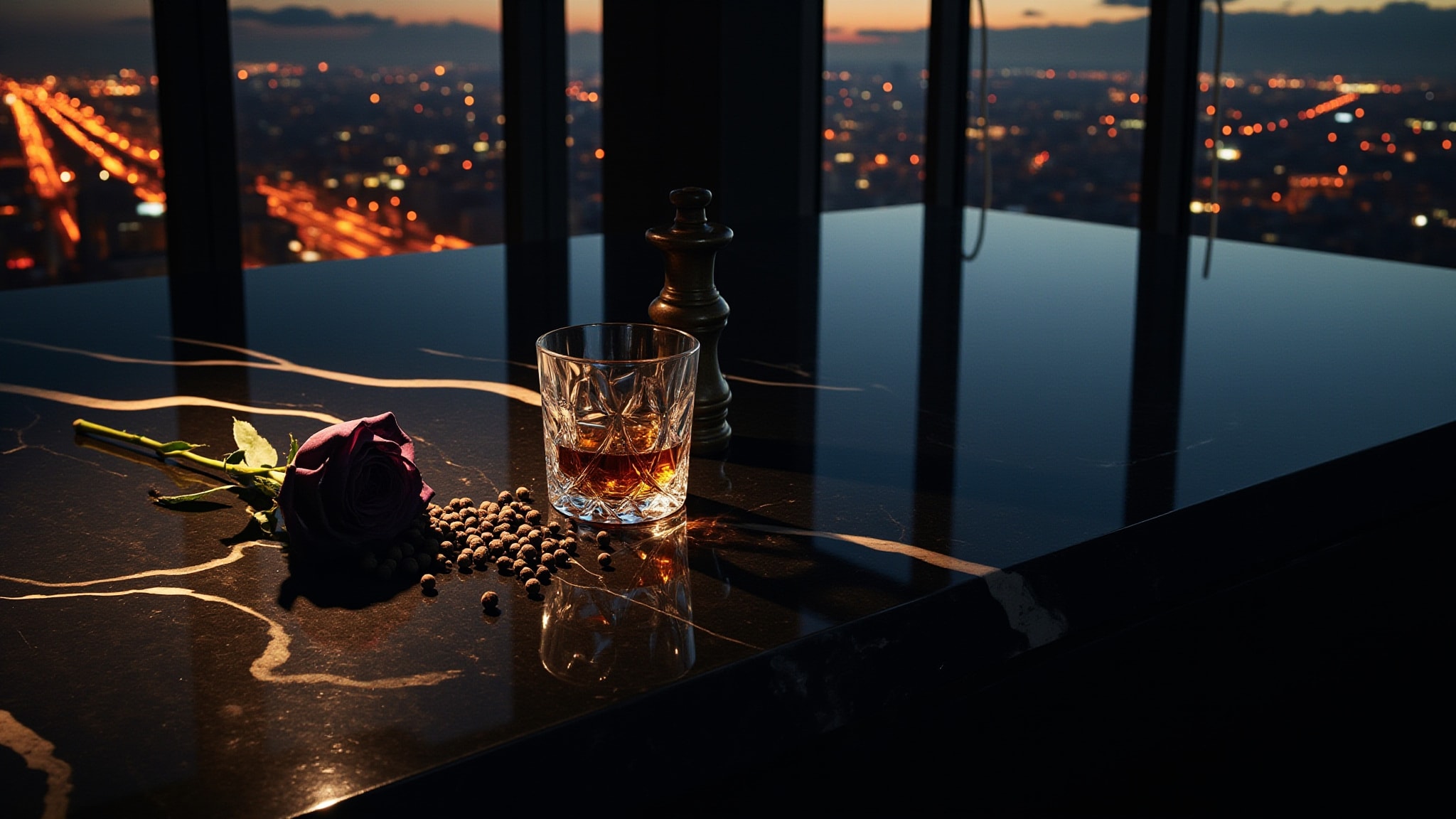
Smokey Rose arrived as part of Monkoku's expanding suite of compositions, where each scent is built to capture a single idea and let it breathe on its own terms. The brief here was contrast: a rose that doesn't behave the way roses are supposed to behave. Where most florals offer sweetness, this one brings shadow. The creative intent reads clearly in the structure itself, pairing rose depth with violet leaf's green chill, black pepper's quiet heat, and a base of bourbon vanilla and ambergris that grounds the whole thing in something warm and lived-in. There's a tension running through every layer, a deliberate refusal to let any single note settle into predictability, and it's that tension which makes the scent feel less like a fragrance and more like a mood someone decided to bottle.
What makes Smokey Rose interesting isn't any single note. It's the conversation between them. Violet leaf at the top is green, almost metallic, a cold curtain pull before the room warms up. Coriander adds a flicker alongside it, settling into the blend with its own herbal accent. Then rose arrives, but it doesn't arrive alone. Black pepper sits beside it, not to dominate but to sharpen the petal's edges and keep the florals from floating too far from the ground.
The evolution
Violet leaf and bergamot crack open with a green, peppery chill, and coriander threads through the cool air in its own measured way. The rose steps in next, soft and steady, grounding the blend before bourbon vanilla, patchouli, and ambergris settle the whole thing down to a low, warm ember. It opens cold and bright, breathes through a pensive middle, and rests on a dense, intimate base that lingers long after the wearer has left the room. The transition between phases feels deliberate, each stage handing off to the next without losing the thread, so the composition reads as a single continuous arc rather than three separate moments.
Cultural impact
Smokey Rose sits in a space where rose compositions are being asked to do more than simply smell pretty. The fragrance takes a note that's been shorthand for romance and softness for decades and pushes it somewhere less predictable, layering smoke and shadow against the petals until the familiar becomes unfamiliar. That kind of subversion has clear appeal for anyone who already loves rose but has grown tired of the same old sweetness. Monkoku's entry into this conversation feels purposeful, less interested in repeating what's been done and more interested in what happens when a rose stops trying to please everyone.