The Story
Why it exists.
The beginning
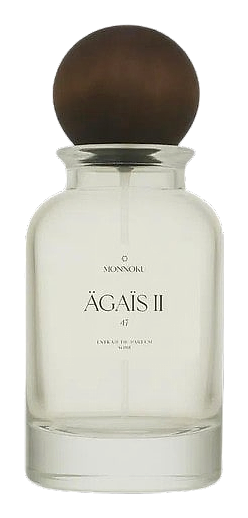
The name points to the sea between Greece and Turkey, but this isn't postcard scenery. It's the cooler version, the breezy off-season coast when the tavernas are closed and the salt sits on stone that's never fully dry. Monkoku built a 2025 take on the idea of Mediterranean air, and they leaned into the colder, quieter register of that concept. The composition works a narrow channel between herbal and spicy, moving with the tension of coastline weather where the wind shifts without warning. Bergamot, lime, and eucalyptus give it the snap of coastal air. They hit together, sharp and sour-edged, and they don't settle into any obvious sweetness. Saffron brings warmth without weight, a golden thread through everything that comes after.
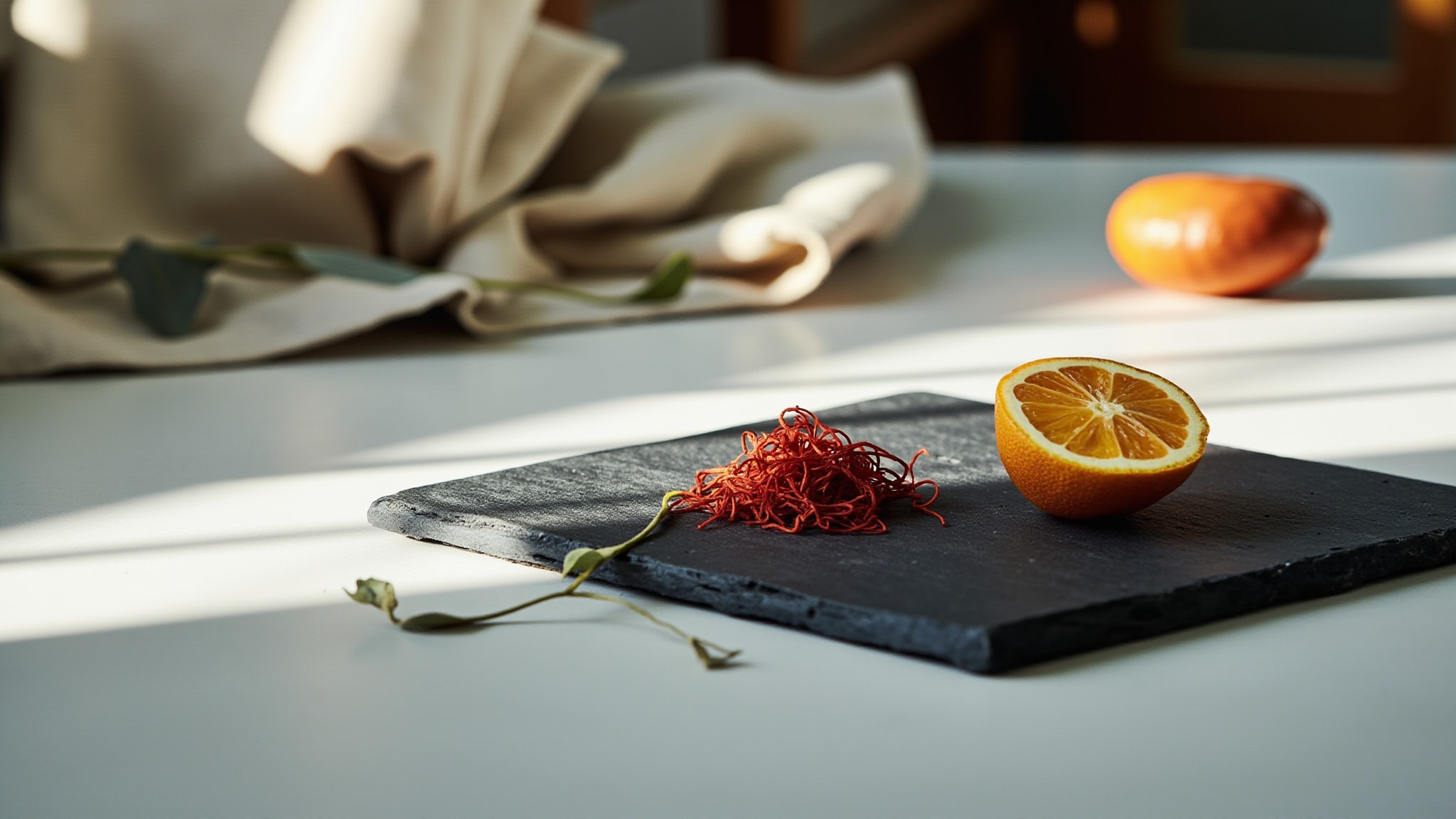
The distinctive move here is how saffron behaves. It never settles into the obvious registers a wearer might expect. Instead, it threads through cold citrus and eucalyptus like something thin and gold dropped into chilled mineral water. The result reads as bright, not heavy, which is unusual for a note that often demands attention. Eucalyptus plays the other key role. It gives the opening a clean, slightly mentholated bite that pairs naturally with the bergamot and lime, creating a freshness that feels sharper than the average aquatic or herbal blend.
The evolution
The opening is all about air. Bergamot and lime hit first, bright and a little sour, then the eucalyptus cuts in with that cool, almost mentholated snap. The saffron arrives within minutes, but it doesn't bloom yet. It sits underneath, a low warm hum against all that cold citrus, waiting. As the top notes recede, the saffron steps forward. This is where the composition earns its boldness. The saffron isn't subtle. It's amber-colored, slightly metallic, slightly leathery, threading through the white tea and sage like a wire through fabric. Mate adds a quiet bitterness that keeps the whole heart from getting too comfortable. This phase can feel dense, almost chewy, especially early on, as the saffron takes up more space than expected. It doesn't recede gracefully. It pushes. The sage keeps the herbal side alive past the opening, green and slightly astringent against the saffron's warmth.
Cultural impact
Ägäis II treats saffron as a structural element, not just an accent, threading it through herbal and citrus materials from start to finish. The yellow-metallic, almost leathery angle Monkoku takes gives the saffron a forward position that most aromatic fragrances avoid. White tea and sage anchor the herbal side, while mate adds a tannic edge that keeps the spice from feeling like a single dominant thread. Cedar and musk ground the drydown without flattening the opening's cool character.